Finding Answers Early
Fertility changes over time, and for some, those changes come earlier than expected. Low ovarian reserve means fewer eggs are available for conception, which can make it harder to get pregnant without medical support. While fewer eggs may sound like a roadblock, understanding what the condition means and how to respond can make the process feel less overwhelming.
Egg supply drop
Low ovarian reserve means the ovaries contain fewer eggs than expected for the age of the person. The body naturally loses eggs over time, but in some cases, the decline happens faster than usual. Fewer eggs can make it harder to get pregnant naturally. The quality of the remaining eggs may also be lower, which can affect fertility outcomes.
Why it happens
Several factors can cause low ovarian reserve. Age is the most common factor, with fertility naturally dropping in the late 30s and beyond. Medical conditions like endometriosis or autoimmune diseases may also play a role. Prior surgeries on the ovaries, exposure to chemotherapy or radiation, and certain genetic conditions can all contribute. In some cases, no clear cause can be found.
Signs to watch for
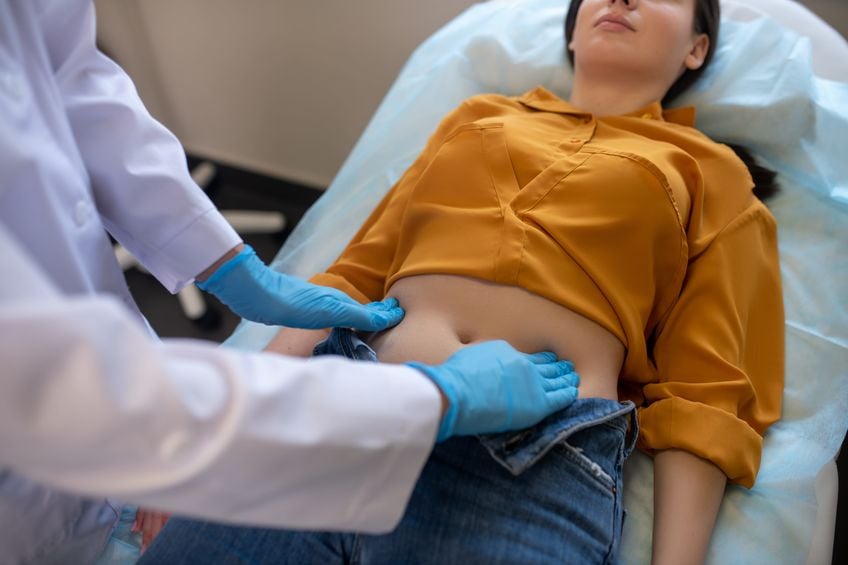
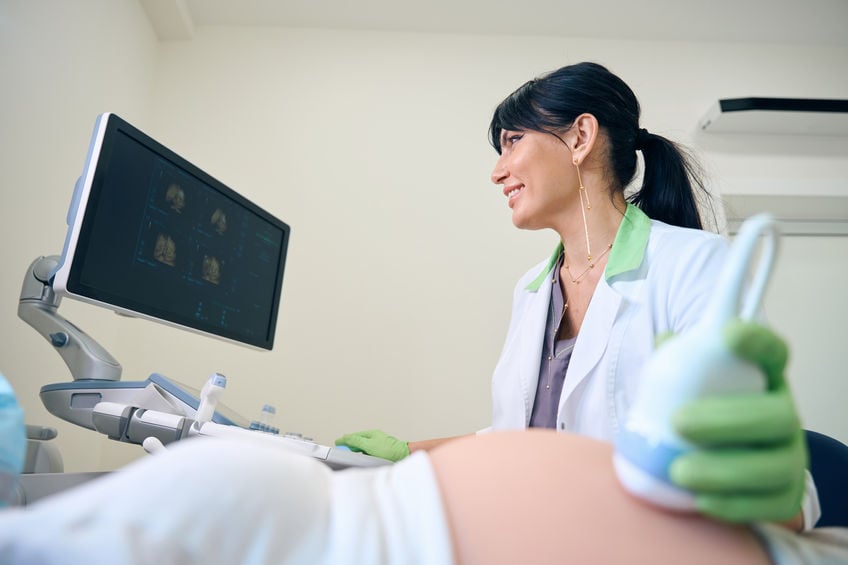
Irregular periods, shorter cycles, or lighter bleeding might be early signs of low ovarian reserve. Difficulty getting pregnant after trying for several months may also raise concern. Blood tests that measure hormone levels such as AMH and FSH help provide a clearer picture of egg supply. An ultrasound may also be used to count the number of visible follicles.
Making healthy changes
Balanced meals rich in whole foods, lean proteins, and healthy fats can nourish the reproductive system. Managing stress through gentle movement, sleep routines, and mindfulness practices may also support hormone health. Limiting alcohol, avoiding smoking, and cutting back on processed foods may improve health. While these steps do not reverse low ovarian reserve, they can support the body through treatment.
When IVF is an option
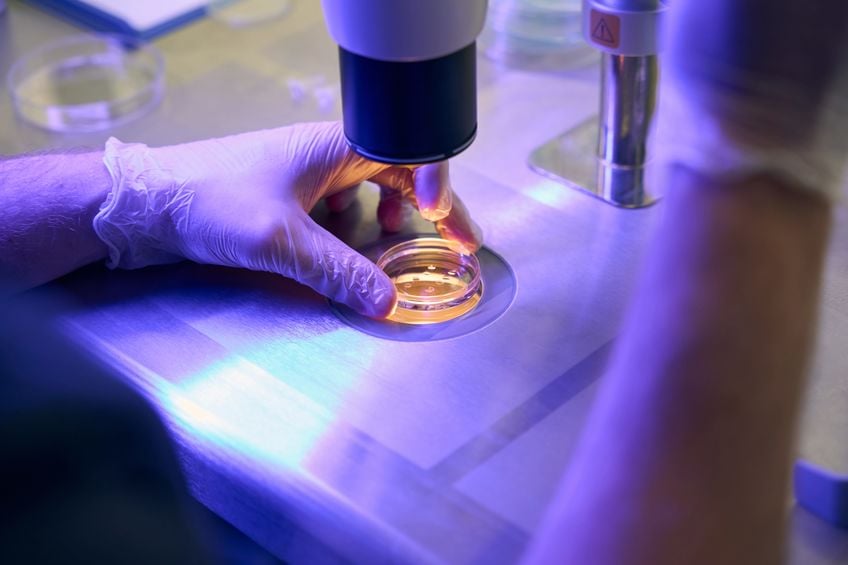
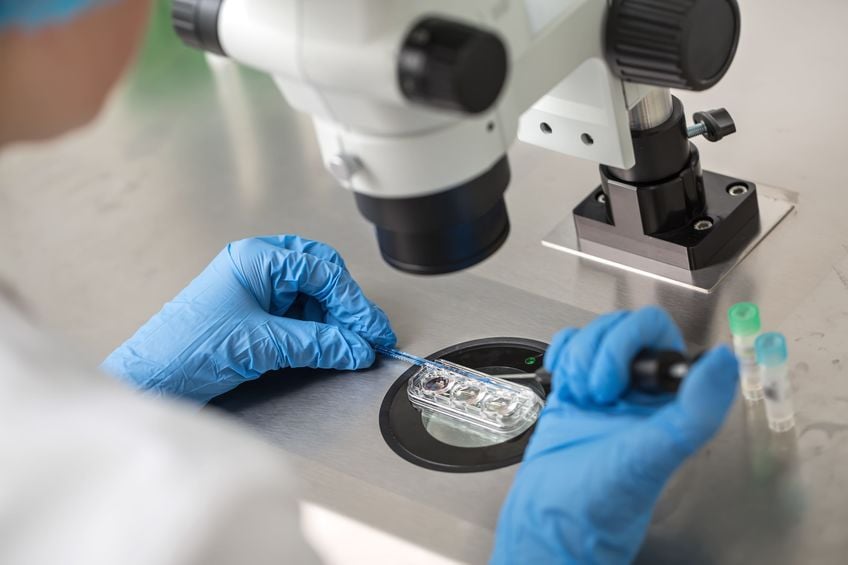
In vitro fertilization (IVF) is often the next step after a low ovarian reserve diagnosis. IVF makes use of the eggs that remain and can offer a better chance of pregnancy within a shorter window. Time matters, especially after age 35. Donor eggs may be considered if egg quality or quantity is too low. A fertility specialist can help build a plan based on test results, medical history, and treatment goals.
Building a care team
Low ovarian reserve can bring up a mix of emotions. Finding a trusted care team, learning about options, and connecting with others going through similar experiences can offer strength. While the journey may look different from what was imagined, many people go on to build families through fertility treatment. Taking things step by step, asking questions, and staying open to support can make the process feel more manageable.
Moving forward with a plan
Low ovarian reserve changes the picture, but does not close the door. IVF might feel like a big leap, but for a lot of people, this procedure is the next right move. Feeling unsure, frustrated, or worn down by the process is okay. Clear answers, a focused plan, and the right support can help make the next steps feel more manageable. The path may be hard, but options still exist.