Worried About Ovarian Hyperstimulation?
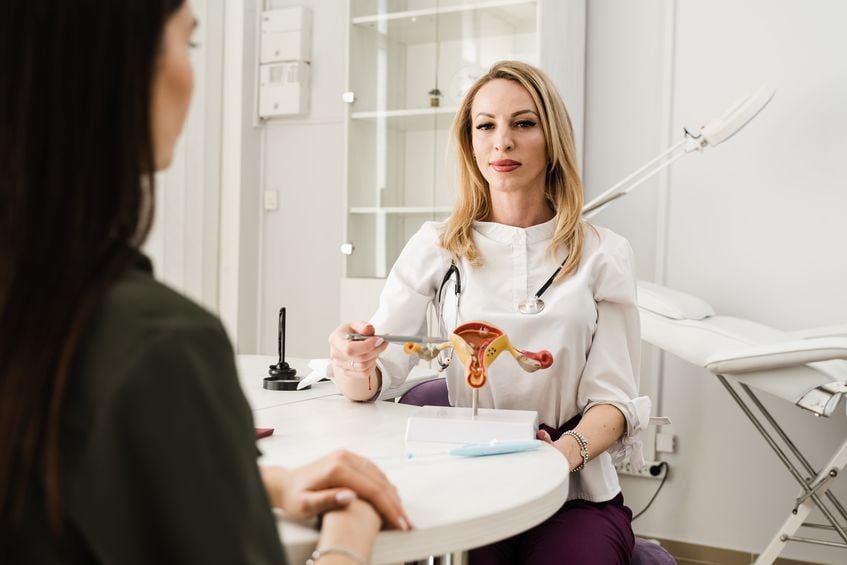
In vitro fertilization (IVF) is a relatively safe procedure. However, in some cases, ovarian hyperstimulation syndrome (OHSS) can occur when the ovaries respond too aggressively to fertility medications. While fertility clinics have dramatically reduced severe OHSS rates, the risk remains. Fertility medication use must be done carefully, and the risks must be addressed quickly. Patients who understand the risk and recognize warning signs can use prevention strategies for safe fertility treatment. For most women, OHSS risks are minimal with appropriate monitoring. Some patients, however, face a greater risk requiring specific precautions and heightened awareness.
What happens during OHSS?
Ovarian stimulation is a necessary part of IVF. This step helps clinics retrieve multiple eggs to create the embryos needed for IVF cycles. In women with OHSS, excessive follicle growth produces dangerously high estrogen levels. The ovaries become significantly enlarged. Fluids can leak from the ovaries into the abdomen or around nearby organs. Common symptoms of mild OHSS include abdominal discomfort, bloating, nausea, and weight gain. More severe cases cause reduced urine output, severe pain, and shortness of breath from fluid around the lungs. Potentially life-threatening complications include blood clots, kidney failure, and ovarian torsion. Mild OHSS is relatively common, affecting 20-30% of IVF patients, but severe OHSS is rare, affecting less than 1% of cycles with modern protocols. Noticing and responding to possible symptoms quickly is important.
Are you at risk?
Some women are more likely to develop OHSS. Statistics show young women under 35 may have a more vigorous ovarian response. A high ovarian reserve with elevated anti-Müllerian hormone (AMH) levels or high antral follicle counts can also increase OHSS risk. Women with polycystic ovarian syndrome (PCOS) are at higher risk of OHSS due to multiple small follicles primed to respond. Low body weight and OHSS in prior cycles are other strong risk factors. During ovarian stimulation, fertility clinics will notice specific red flags. Rapidly developing more than 20 follicles, significantly high or quickly rising estradiol levels may suggest OHSS. Once identified, the fertility team can adjust medication to reduce or reverse the risk of this serious complication.
Prevention through protocol adjustment
There are multiple steps fertility clinics can take to lower the risk of OHSS. Modern prevention tactics start with protocol selection. The team may adjust trigger shot medication or even remove trigger doses altogether, which can reduce the chance of severe OHSS for high-risk patients. Holding stimulation medications while monitoring until rising estradiol levels stop is another effective strategy. Some protocols use lower gonadotropin doses for high-risk patients, accepting fewer eggs in exchange for reduced OHSS risk. The fertility team can even change from a fresh to a frozen embryo transfer if needed. Studies show that the condition worsens dramatically if pregnancy occurs. Canceling the fresh embryo transfer and freezing all embryos until the ovaries normalize prevents OHSS progression. A combination of strategies can successfully reduce OHSS risk, but prompt action is pivotal.
Quick treatment matters
Mild OHSS requires only monitoring, rest, adequate hydration, and over-the-counter (OTC) pain relief. Moderate cases need closer monitoring with frequent weight checks, abdominal measurement, and blood work. Severe OHSS, while rare, requires hospitalization for intravenous (IV) fluid management, monitoring kidney function, and drainage of abdominal or chest fluid if needed. Recovery can take 1-2 weeks for mild cases or longer in moderate to severe cases. Most women recover completely without long-term effects.
Reduce OHSS risk
Fertility clinics understand there are risks of OHSS when using fertility medication. Appropriate monitoring and protocol customization are vital, especially if a patient is identified as high risk. Discuss OHSS with the fertility team. During treatment, look for warning signs such as abdominal bloating and discomfort, mild nausea, decreased urination, and daily weight gain. Symptom identification and early adjustment of fertility medication reduce OHSS risk while still achieving the goal of pregnancy.