A Solution For Severe Oligospermia?
Affecting approximately 2% of all men, oligospermia is the medical name for a severely low sperm count. When a man has severe oligospermia, which is a count below 5 million per 1mL in a given sample, natural conception is extremely challenging. This condition was once an insurmountable barrier to achieving pregnancy with a partner. Now, thanks to advanced forms of assisted reproductive technologies (ART), like intracytoplasmic sperm injection (ICSI), male-factor infertility can be overcome. With ICSI, a single sperm is needed, but severe oligospermia still presents unique technical challenges. With specialized approaches beyond standard ICSI protocols, couples navigating severe oligospermia can finally see a realistic path to parenthood.
What makes severe oligospermia different?
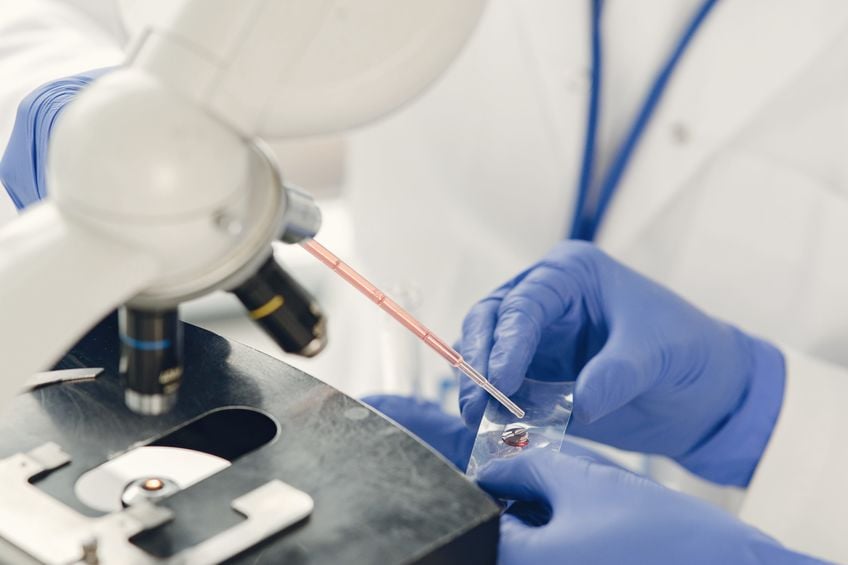
Standard infertility cases opting for ICSI typically have adequate sperm in each sample. This allows embryologists to select from numerous options, choosing sperm with the best morphology and motility for injection into the egg. Severe oligospermia means that samples might yield only a few dozen or hundreds of sperm instead of millions. The fertility team, therefore, must be careful while relying on advanced technologies to achieve success. Severe oligospermia can also result in sperm quality issues, like poor motility, abnormal morphology, or deoxyribonucleic acid (DNA) fragmentation. Fertility clinics must carefully plan and use specialized techniques to capture and preserve the best possible sperm. This may also mean going beyond standard ICSI methods to maximize sperm use.
Sperm retrieval options
When semen samples have insufficient sperm, surgical retrieval directly from the testicles or epididymis often provides better results. Testicular sperm extraction (TESE) is a procedure used to retrieve sperm directly from testicular tissue where sperm production occurs. Micro-TESE goes a step further by using surgical microscopes to identify seminiferous tubules most likely to contain sperm, helping improve success rates. Percutaneous epididymal sperm aspiration (PESA) is another option that extracts sperm from the epididymis using a needle. Surgically retrieved sperm is ideal for severe oligospermia cases, as these samples often have better DNA integrity than ejaculated sperm.
Advanced sperm selection and preparation
Even when surgically extracting sperm, fertility clinics go above and beyond to select the best options in cases of severe oligospermia. Physiological ICSI uses hyaluronic acid binding to identify mature sperm with intact membranes. Ultra-high magnification technologies help embryologists see subtle morphological details missed at standard magnification. Genetic testing and the zeta potential technique are other ways that embryologists can isolate the healthiest sperm for ICSI. For severe oligospermia cases where every sperm selection matters, these advanced selection steps become instrumental. When the right sperm is found, preparation also becomes an essential part of the process. The embryologist uses advanced techniques to separate sperm from seminal fluid and debris. Some labs even employ special devices that sort sperm by quality, even from very low-count samples. The goal with selection and sorting is to find the best possible sperm to inject into the egg.
A successful ICSI
Despite the challenges, ICSI for severe oligospermia has strong success outcomes, especially when healthy eggs are available. Embryo development, pregnancy rates, and live birth rates depend more on female age and egg quality once ICSI addresses the fertilization barrier. The goal, therefore, is to retrieve the best samples possible, surgically or otherwise. Fertility clinics will use the best possible sperm to create embryos while cryopreserving other sperm samples for future ICSI cycles. The bottom line is that severe oligospermia can be overcome. Even men with single-digit sperm counts can achieve biological fatherhood through advanced techniques.