Is PCOS Impacting Your Fertility Treatment?
Ovulation induction is often one of the first treatments recommended for women with polycystic ovary syndrome (PCOS), a common risk factor of infertility. Using medications to stimulate the release of a mature egg, many women with PCOS can achieve successful pregnancies. This step can even help women avoid more advanced reproductive treatments. While effective in many respects, ovulation induction does not respond well in all cases. Women with severe PCOS may continue to experience irregular ovulation or fail to respond adequately despite multiple treatment cycles. Repeated failures can be distressing, so knowing why can help patients recognize when additional evaluation or a different fertility strategy is necessary.
Understanding severe PCOS
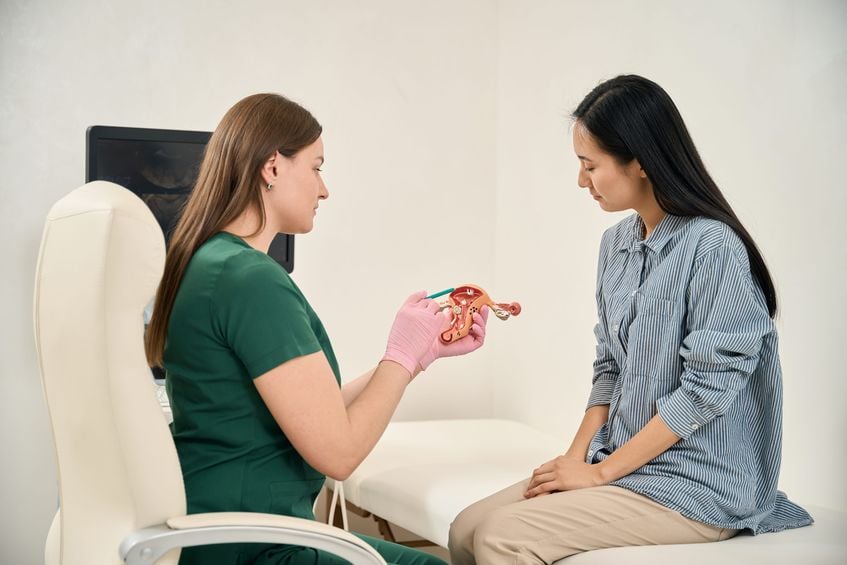
PCOS is one of the most common causes of female infertility. At the root of the condition is a hormonal imbalance that interferes with normal ovulation. Women with PCOS often have elevated androgen levels, irregular menstrual cycles, and even insulin resistance. Over time, multiple small follicles fail to mature properly. Instead of releasing a mature egg each month, the ovaries may remain in a prolonged resting state. Severe PCOS means a more significant hormonal disruption. Women have significant difficulty achieving regular ovulation. More advanced PCOS often creates a prolonged absence of menstrual periods, severe insulin resistance, obesity, or persistently elevated androgen levels. These factors can make the ovaries less responsive to medications designed to stimulate ovulation.
Understanding ovulation induction
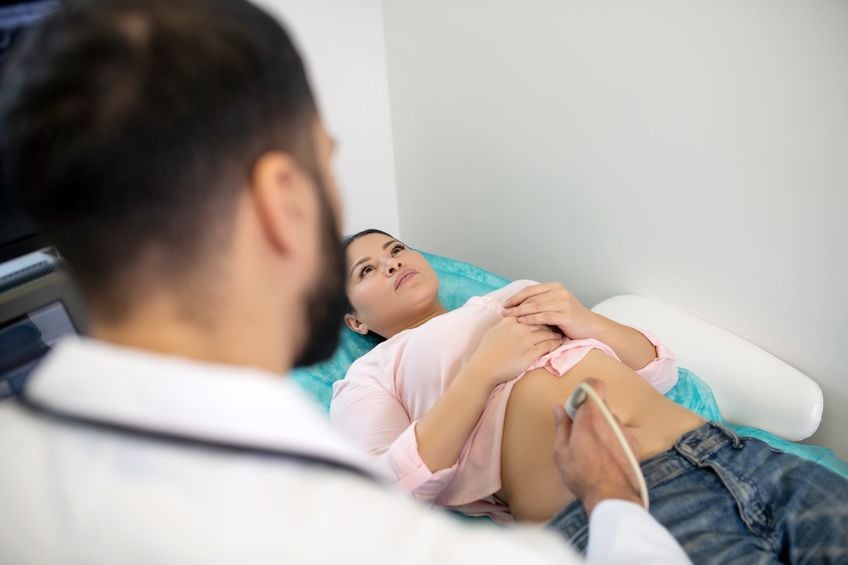
Ovulation induction is a process that involves medications to encourage ovarian follicles to mature and release an egg. Common treatment plans may include oral medications or injectable gonadotropins. Throughout the cycle, fertility specialists monitor follicle development with ultrasound examinations and hormone testing. These tests determine whether the ovaries are responding appropriately. For many women with mild or moderate PCOS, ovulation induction often successfully restores regular ovulation. Once a mature follicle develops, timed intercourse or intrauterine insemination (IUI) may be recommended to maximize the chances of conception. Severe PCOS can interfere with each stage of this carefully coordinated process.
Why treatment sometimes fails
Ovulation induction fails in severe PCOS when the ovaries remain resistant to stimulation despite increasing medication doses. Hormonal imbalances prevent follicles from developing normally, with many remaining immature. Insulin resistance also plays a major role. Elevated insulin levels can increase androgen production by the ovaries, further disrupting normal follicle development. Responsiveness to fertility medications is also impacted significantly. Some doctors are also wary of hyperstimulation syndrome (OHSS), as the risk increases with ovarian stimulation. With all these factors in mind, the risk of multiple failed cycles and unsuccessful ovarian induction is quite high with severe PCOS.
Exploring your options
If ovulation induction is unsuccessful after several carefully monitored cycles, a fertility specialist will perform a more comprehensive evaluation before recommending further treatment. Additional hormone testing, assessment of insulin resistance, evaluation of thyroid function, and imaging studies are common strategies. These checks may identify factors that are limiting treatment success. Lifestyle factors may also be reviewed. For women with obesity, even modest weight reduction helps. Insulin sensitivity and hormonal balance improve, and so does the likelihood of successful ovulation. Nutritional counseling, regular physical activity, and treatment of metabolic conditions may enhance the effectiveness of future fertility treatments when incorporated into a comprehensive care plan.
Exploring the next treatment options
Failure of ovulation induction does not mean pregnancy is no longer possible. Many women with severe PCOS go on to conceive with alternative fertility treatments. Depending on the underlying cause of treatment resistance, fertility specialists may recommend a custom plan. This may mean compounded fertility medication, insulin-sensitizing therapy, or injectable stimulation protocols. In vitro fertilization (IVF) often provides greater control over ovarian stimulation and fertilization than ovulation induction alone. Thanks to IVF’s careful monitoring, fertility specialists can customize medication dosing while reducing the risk of complications like OHSS. Studies show that IVF protocols have significantly improved safety and success rates for women with PCOS. In truly dire cases, donor eggs may be recommended.
Finding the right fertility pathway
Ovulation induction remains an excellent option for many women with PCOS. Severe cases, however, make successful ovulation more difficult to achieve. Factors such as insulin resistance, elevated androgen levels, obesity, and ovarian resistance to stimulation affect ovulation induction. These are also some of the reasons why repeated cycles do not always lead to pregnancy. While emotionally difficult, unsuccessful ovulation induction is not the end of the fertility journey. Work with a fertility specialist who has a deep understanding of PCOS and pregnancy. Through comprehensive evaluation, individual treatment plans, and access to assisted reproductive technologies (ART), doctors can help patients with severe PCOS achieve pregnancy.