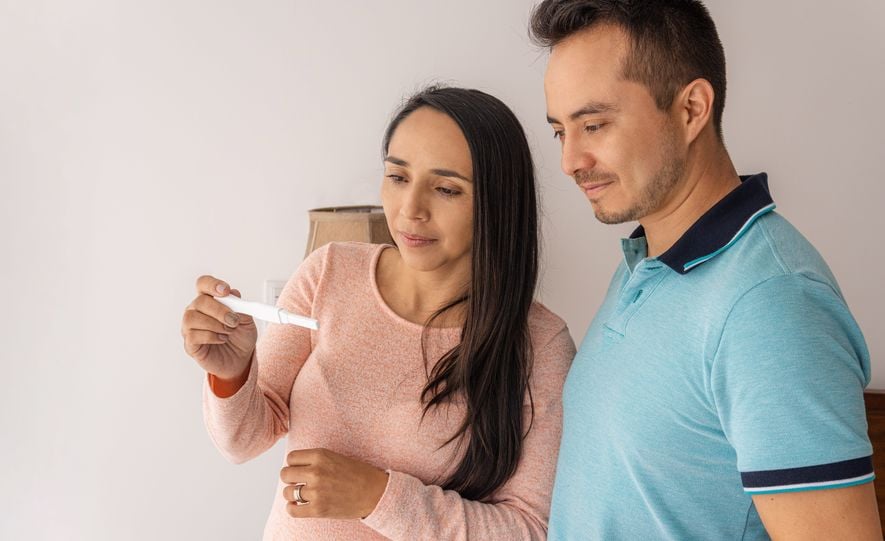
PCOS And The Path To Parenthood
Polycystic ovary syndrome (PCOS) is a common hormonal disorder that impacts millions of women of reproductive age. Doctors estimate PCOS affects at least 1 in 10 women, with many more undiagnosed. At the core, PCOS is a hormonal imbalance issue, where the ovaries produce an abnormal amount of androgens. These hormones are abundant in men but are only necessary in small amounts in women. As a result, a series of symptoms occur, the most concerning being failure to release eggs during ovulation. In some cases, PCOS causes fluid-filled cysts to develop on the ovaries, creating further concerns, like infertility. If PCOS continually impacts the ability to conceive, customized treatment can be essential.
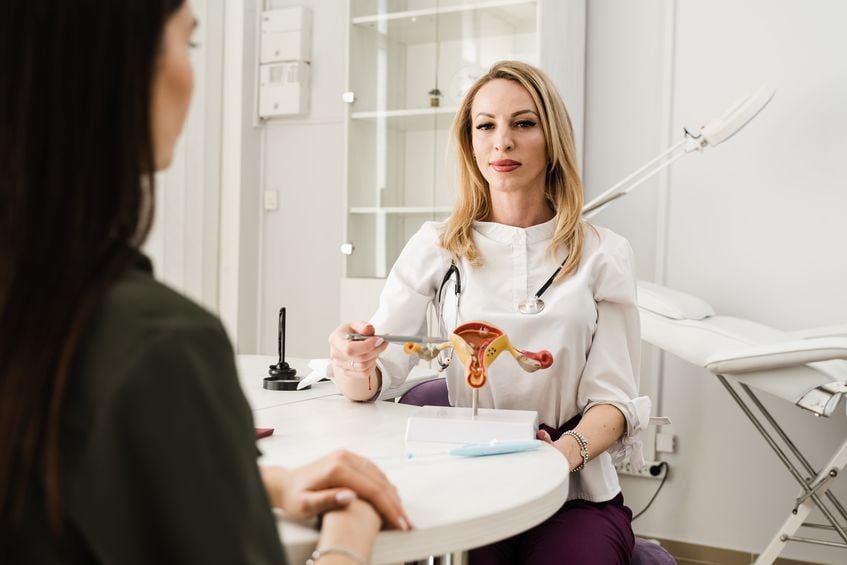
More than just ovarian cysts
The exact cause of PCOS is not fully understood. Common risk factors include genetics, obesity, insulin resistance, and hormone imbalances. At the same time, the issue goes beyond the development of cysts. PCOS disrupts ovulation, which is the natural monthly release of a mature egg from the ovaries. Irregular or absent ovulation means there's no egg available for fertilization, making conception difficult. Elevated androgens and insulin levels, which are common with PCOS, disrupt the hormones needed for ovulation and endometrial receptivity. As a result, women struggle to get and stay pregnant. Statistics show the odds of miscarriage and pregnancy complications are higher in women with PCOS.
Medical treatments to improve fertility
PCOS can be managed with medication, especially if women are having trouble conceiving. The condition affects women differently. Some experience irregular ovulation, while others rarely or never ovulate. Treatment must be customized to meet the needs of the patient. Doctors prescribe ovulation-induction medication to stimulate the ovaries to release eggs. This has proven to be effective in increasing pregnancy rates. Doctors may prescribe medication to improve insulin sensitivity, which can help balance hormones and even restore ovulation. In severe cases, injectable gonadotropins may be considered. PCOS treatment is an ongoing process that can be customized at any time to address specific situations or meet the long-term goals of the patient.
Lifestyle modifications make a difference
The good news is that most cases of PCOS are also manageable with lifestyle modifications. Doctors will sometimes recommend weight management as statistics show a close relationship between obesity and PCOS. Even moderate weight loss can help balance hormones, optimize insulin levels, and improve symptoms. Independent of weight loss, moderate weekly exercise improves insulin sensitivity, which creates a better environment for improving PCOS. Adopting a whole food diet that balances blood sugar levels supports healthy hormone function, potentially improving reproductive health.
The power of ART
Some women with PCOS may need fertility assistance, especially if medication and lifestyle changes fail to produce results. There are assisted reproductive technology (ART) treatments available based on the patient’s unique situation. Intrauterine insemination (IUI) combined with ovulation-induction medication is a common approach to increase the chances of pregnancy. If this process fails, in vitro fertilization (IVF) offers the highest success rates per cycle for women with PCOS. IVF involves medically retrieving multiple follicles and creating embryos with sperm in a fertility laboratory. One or more embryos are then surgically transferred to the uterus to achieve pregnancy. IVF is considered the most effective option, especially for women with severe cases of PCOS.
Conceiving with PCOS is possible
Women with PCOS experience many symptoms and many are distressed about possible infertility. The condition disrupts the delicate hormonal balance necessary to conceive. Women with PCOS who are trying to get pregnant should see a medical professional as soon as possible. Consider treatment after at least 6 months of unsuccessful attempts. Early intervention maximizes the chances of success. Combining medication, lifestyle changes, and eventually ART can help women start or grow a family.