How Good Is Your Sperm?
While much of the fertility world focuses on females, about one-third of infertility cases are attributable solely to issues with the male partner. There are many reasons for male-factor infertility, including poor sperm motility and morphology. Understanding the importance of sperm movement and shape can help couples identify concerns, seek treatment, and ultimately conceive. Here’s what to know about sperm health when trying to get pregnant.

Sperm 101
To achieve a pregnancy, healthy sperm must combine with a mature egg to create an embryo. In some men, this is more difficult due to basic issues with the sperm. Some men have a low sperm count, defined as fewer than 16 million sperm per 1mL of semen. Other men struggle with poor motility, or movement, limiting the sperm's ability to swim to the egg. Morphology refers to the size, shape, and structure of the sperm, which may affect fertility. Some men may have azoospermia, which is a complete absence of sperm.
Motility matters
Sperm motility refers to the ability of the sperm to move forward toward the egg. To have good motility, at least 32-40% of the sperm should show active forward movement on assessment. Speed matters too. In fertile men, forward progression of sperm should occur at a rate of at least 25μm per second. Anything less than 5μm per second is classified as non-progressive motility. Poor motility can be caused by a variety of factors, including cigarette smoking, varicocele, underlying genetic issues, low testosterone, and past or present infections.
Checking morphology
Another common cause of male-factor infertility is poor morphology, or size, shape, and structure of the sperm. To successfully fertilize an egg, sperm must have a smooth, well-formed head, a structured midpiece, and a long, healthy tail. Sperm with double heads or broken tails are unlikely to result in a pregnancy. Even in fertile men, not all sperm is perfect. Having 4% or more standard-shaped sperm is considered normal. Poor morphology can be caused by many of the same issues as poor motility. Varicoceles, infections, hormonal issues, cigarette smoking, and underlying genetics can all play a role. Heat exposure, such as frequent sauna or hot tub use, might also alter sperm morphology.
The semen analysis
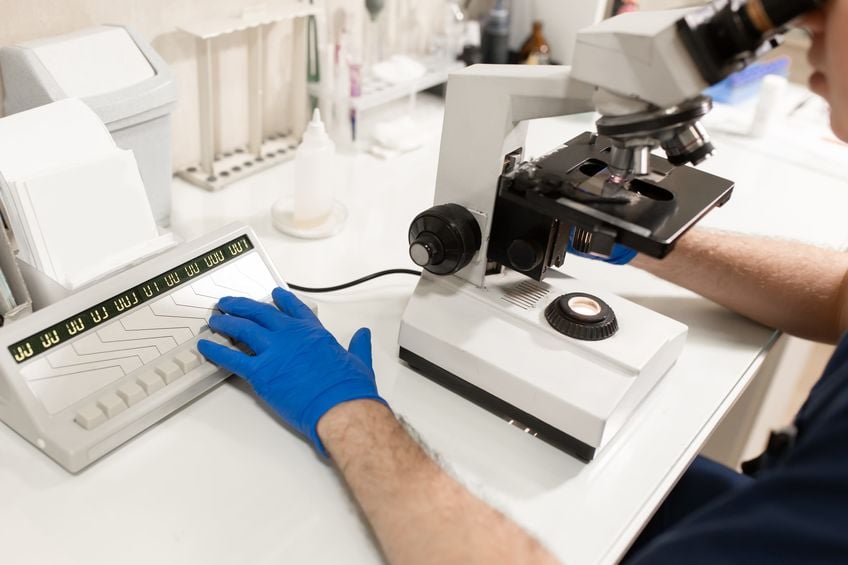
If a couple has been unable to conceive after at least 6 months of trying, for women over 35, or after 12 months of trying, for women under 35, additional testing is often recommended. Most male partners will be advised to have a semen analysis (SA) performed. This test measures sperm volume, count, motility, morphology, and pH level. The semen analysis is typically performed in the clinic, where the man is asked to deposit a small sample in a sterile cup, but at-home collection is also possible if the sample can be transported to the lab quickly. Men are advised to avoid ejaculation for a few days before the test to guarantee accurate results.
Achieving a successful pregnancy
To conceive, sperm and egg must meet. Sperm with poor size, shape, structure, and movement abilities are less likely to result in a pregnancy. A semen analysis can help men identify any issues with the sperm. From there, lifestyle changes such as addressing infections, avoiding heat, losing weight, eating a healthy diet, and avoiding tobacco and alcohol can help. Since sperm regenerates every 3 months, healthy habits can make a difference. Slow or misshapen sperm can make pregnancy more challenging, but not impossible.