
Can Poor Sperm Cause Infertility?
Even though people objectively understand that any gender can struggle with infertility, difficulties conceiving are viewed by pop culture as exclusively a problem for women. Meanwhile, research shows that nearly a third of all heterosexual infertility cases in the US are due to male factor infertility. Sperm quality is usually the core reason for observable problems. Sometimes physical issues like blocked ducts can be the problem. For most men suspecting infertility might be an issue, testing usually focuses on the sperm. Knowing what to expect during the screening process can help men prepare and manage anxiety.
The sperm fertility link
Physical issues can influence male factor infertility, but overwhelmingly sperm issues are the primary cause. The most typical flags are low sperm count, inconsistent quality overall, and poor motility. The precise cause behind infertility isn’t always immediately obvious. In some cases, prior health issues eventually impact reproductive health, such as previous cancer treatment that causes sterility. Physical injuries or surgeries that required removing some or all reproductive organs can also influence sperm quality. Testing lets experts determine if an identifiable or treatable factor is present. Sometimes solutions might include hormone supplementation or even lifestyle changes.
Getting a semen analysis
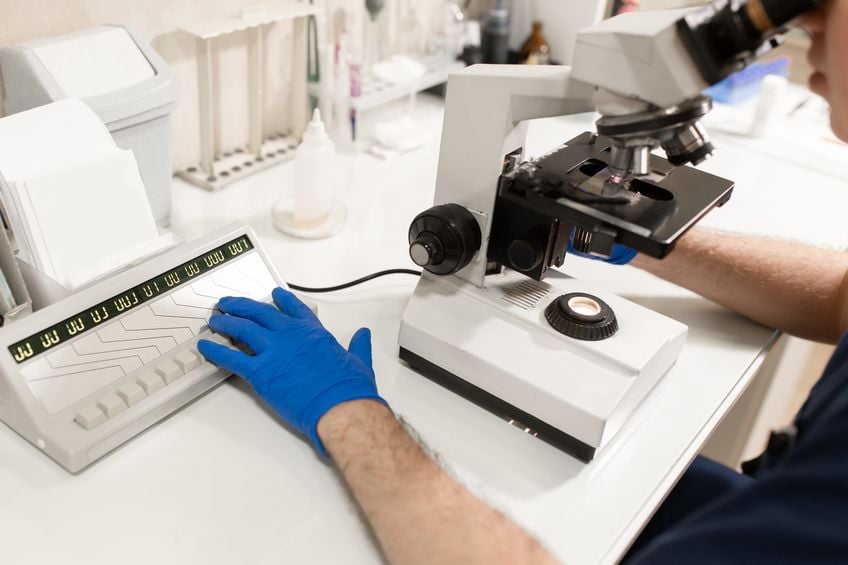
For most men, fertility testing starts with a semen analysis. The non-invasive test requires a man to provide a semen sample that is screened to check not just reproductive health, but concentration, volume, and sperm count. Technicians also review sperm motility and morphology. These aspects determine how well sperm move and if physical abnormalities are visible. Most men will undergo multiple semen analyses to create a more comprehensive understanding of semen quality over time.
Don’t forget the blood tests
Just like with women, men will also have hormone levels reviewed with blood tests. Many people are surprised to learn that male screenings also check testosterone, follicle-stimulating hormone (FSH), prolactin, and luteinizing hormone (LH) levels. These chemicals are also critical in the male reproductive system and help regulate testosterone while supporting the testes in sperm cell production.
Expect a physical
Sperm quality can also be impacted by physical factors. Conditions like erectile dysfunction, as well as urethra and other duct blockages, can prevent sperm from exiting the body. For these men, the issue isn’t sperm quality but rather azoospermia, or semen containing no sperm. A physical exam or diagnostic imaging can help pinpoint the problem. Sometimes surgery is required to remove any blockages. Fertility specialists might also recommend specialized sperm extraction methods such as percutaneous epididymal sperm aspiration (PESA), testicular sperm aspiration (TESA), or testicular sperm extraction (TESE) may be used for sperm retrieval.
Get checked out
Don’t assume that if a woman isn’t getting pregnant that the problem doesn’t have a shared source. Male factor infertility is actually quite common and is not just a female problem. Research actually suggests that men get tested sooner since the gender isn’t historically proactive about seeking regular medical care compared to women, who tend to have an established relationship with a gynecologist. Because semen analysis is often non-invasive and painless, men have fewer excuses to delay diagnosis.