Is ART The Solution?
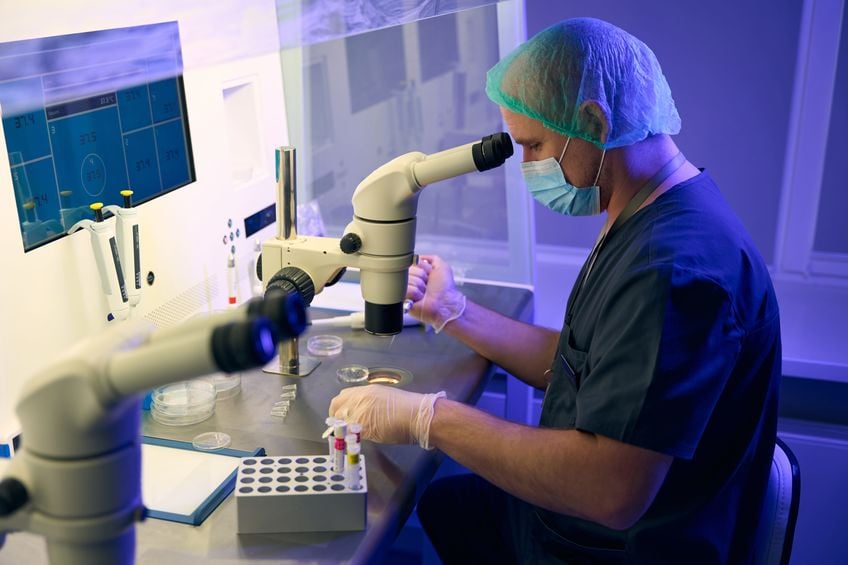
Assisted reproductive technology (ART) includes medical procedures that help achieve pregnancy by handling eggs and sperm outside the body. In vitro fertilization (IVF) remains the most well-known treatment, but ART encompasses many additional techniques. Fertility specialists begin with a comprehensive evaluation to determine the exact cause of infertility. Once a cause has been identified, personalized treatment can be recommended. From IVF and intracytoplasmic sperm injection (ICSI) to cryopreservation and genetic testing, the possibilities are endless. Moving beyond the basics helps patients increase the chances of success.

Identifying the underlying cause
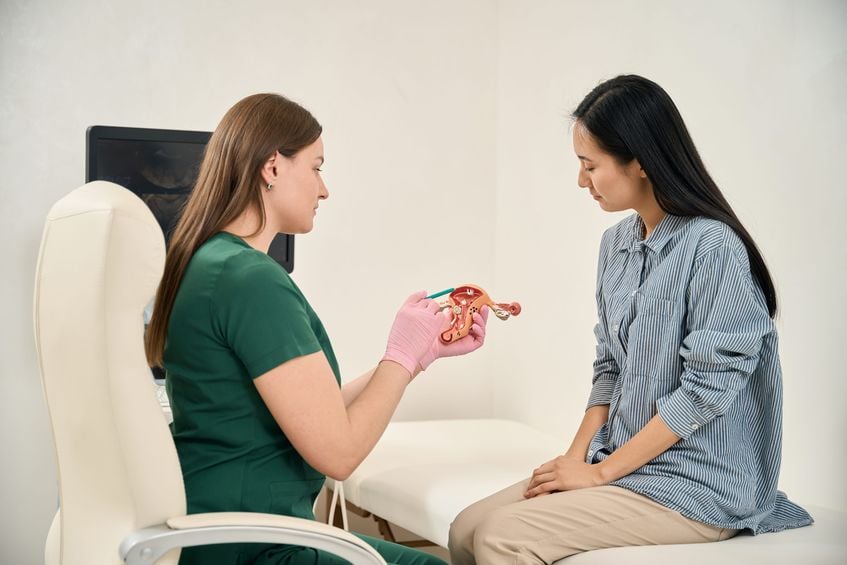
Before treatment can be initiated, the fertility team must work closely with the patient to determine the underlying cause. In many cases, the inability to conceive is attributable to age-related fertility decline. Other times, growths such as polyps or fibroids may be interfering with conception. Polycystic ovary syndrome (PMOS) affects 1 in 10 women and is a common cause of infertility. Tubal damage, endometriosis, and hormone imbalances can also make pregnancy more difficult to achieve. In men, low sperm count, varicocele, low testosterone, and a history of chemotherapy are all possible causes of infertility. As a first step, patients should work closely with a healthcare provider to conduct appropriate testing and determine the cause.
The IVF route
While some women can benefit from ovulation induction or intrauterine insemination (IUI), these interventions are less effective than ART. IVF is the most common ART procedure that has a high likelihood of success. With IVF, medications are used to encourage the development of multiple follicles. Eggs are then retrieved and combined with sperm in the lab to create embryos. Once the embryos have developed for a few days, the specimen is transferred into the uterus. Success rates vary widely and are very dependent on the age of the patient and the underlying cause of infertility, but many women see success with this standard approach.
Adding on ICSI
If male-factor fertility is a known concern, ICSI may be an appropriate procedure to consider. With ICSI, a single sperm is injected directly into the egg. This extra step is highly effective, typically resulting in fertilization of 70-80% of eggs injected with sperm. Men with azoospermia, physical blockages, and ejaculation issues can all benefit from the use of ICSI. This add-on procedure may also be considered if previous attempts at standard IVF have failed.
PGT provides helpful information
Preimplantation genetic testing (PGT) evaluates embryos for certain chromosomal or inherited genetic conditions before embryo transfer. With PGT, a few cells are taken from the outer layer of the early embryo and sent out for analysis. This extra step allows genetically normal embryos to be selected for transfer, which decreases the chance of miscarriage and increases the chance of a healthy pregnancy. Patients with a history of miscarriage, inherited genetic conditions, and previous failed IVF attempts can benefit from the use of PGT. This procedure is increasingly recommended for women of advanced maternal age (AMA), as maternal age at conception is associated with a higher risk of chromosomal abnormalities.
Moving beyond the basics
Infertility affects millions of families, but advances in reproductive medicine continue creating new opportunities for pregnancy. Assisted reproductive technology provides individualized treatment options based on each person's unique medical history and fertility diagnosis. IVF, ICSI, and PGT are all excellent options that increase the chances of a successful pregnancy.
Many patients require more than 1 treatment cycle before achieving a pregnancy, making persistence an important part of the journey. With expert guidance and a personalized treatment plan, ART offers hope for many families working toward the goal of parenthood.