What Helps Improve IVF Success?
In vitro fertilization (IVF) is often considered the gold standard of fertility treatment, helping countless couples start or grow a family. IVF typically involves ovarian stimulation, egg retrieval, fertilization, and embryo transfer. Several factors can influence treatment outcomes, including maternal age, ovarian reserve, sperm health, embryo quality, and any underlying medical conditions. While success is never guaranteed, certain lifestyle choices can help support overall health before and during treatment. Here are 3 simple steps to take for the best IVF outcome.

1. Prioritize a balanced diet
Patients undergoing fertility treatment are often told to eat healthy for the best possible outcome. A balanced diet should ideally include plenty of vegetables, fruits, whole grains, legumes, nuts, seeds, and lean protein. Healthy fats from foods such as avocados, olive oil, and fatty fish are suggested. Women should limit highly processed food and added sugar when possible. Avoiding alcohol is also recommended when trying to get pregnant. Start a prenatal vitamin with at least 400mcg of folic acid at least 1 month before beginning IVF treatment.
2. Move the body
Regular physical activity can support cardiovascular and metabolic health during IVF treatment. Moderate activities such as walking, swimming, cycling, or strength training often provide beneficial movement without excessive physical stress. Most women are advised to get 150 minutes of moderate-intensity exercise every week. However, during certain stages of IVF treatment, such as after the embryo transfer, temporary rest may be advised. Always consult with a healthcare provider for personalized guidance on working out during fertility treatment.
3. Follow the treatment plan
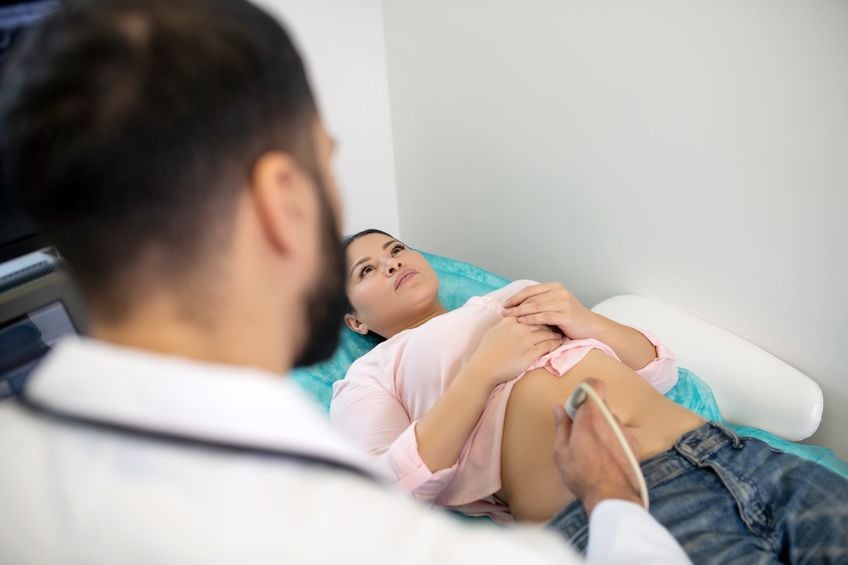
Careful adherence to the treatment plan is one of the most important steps during IVF. Many fertility medications require exact timing for maximum effectiveness, so all instructions should be followed precisely. Monitoring appointments are an essential part of the process and should never be skipped. These appointments allow the medical team to evaluate follicle development using bloodwork and ultrasound and adjust treatment when necessary. If questions arise, don’t hesitate to reach out to the fertility team or a pharmacist for guidance
Going the extra mile
In addition to a healthy diet and regular activity, aiming for at least 7 hours of sleep a night is ideal. Reducing stress, when possible, can also help. Finding a therapist, support group, or trusted friend to talk to during treatment can be beneficial for some women. In certain cases, supplements may be recommended to improve egg quality or sperm health. However, checking with the fertility team before starting any supplement during treatment is important.
Small changes add up
Healthy habits alone cannot guarantee IVF success. Maternal age, ovarian response, embryo quality, sperm factors, and uterine health all influence pregnancy outcomes. However, combining evidence-based medical care with healthy daily habits provides the strongest possible foundation for an IVF journey. Following a healthy diet, taking a prenatal vitamin, avoiding alcohol, and exercising consistently can all help maximize the chances of success.