Are Donor Eggs Your Best Choice?
Approximately 11% of women experience fertility problems. When natural conception isn’t possible, many couples turn to assisted reproductive technology (ART) such as in vitro fertilization (IVF) to get pregnant. However, even IVF doesn’t work every time. In some cases, the fertility team may recommend the use of donor eggs to achieve a healthy pregnancy. Here’s what to know about this option.

Donor eggs 101
If a woman cannot get pregnant using personal eggs, donor eggs are an option worth considering. Donor egg treatment is commonly recommended for women with diminished ovarian reserve (DOR), premature ovarian insufficiency (POI), or repeated unsuccessful IVF cycles, especially if the failure was related to egg quality. Advanced maternal age (AMA) is another reason to consider a donor, as egg quality naturally declines over time, reducing the chances of pregnancy. Many individuals and couples go on to achieve successful pregnancies using donor eggs with careful planning and personalized treatment.
Understanding donor selection
Egg donation begins with selecting a donor through a fertility center or an egg donor program. Donors complete extensive medical evaluations, genetic screening, infectious disease testing, and psychological assessments before acceptance. Medical history, family history, education, physical characteristics, and personal interests may also be available during the selection process. Some programs offer anonymous donation, while others provide options for future contact between donor and offspring. Selecting a donor is an important part of the process and should not be rushed.
How donation occurs
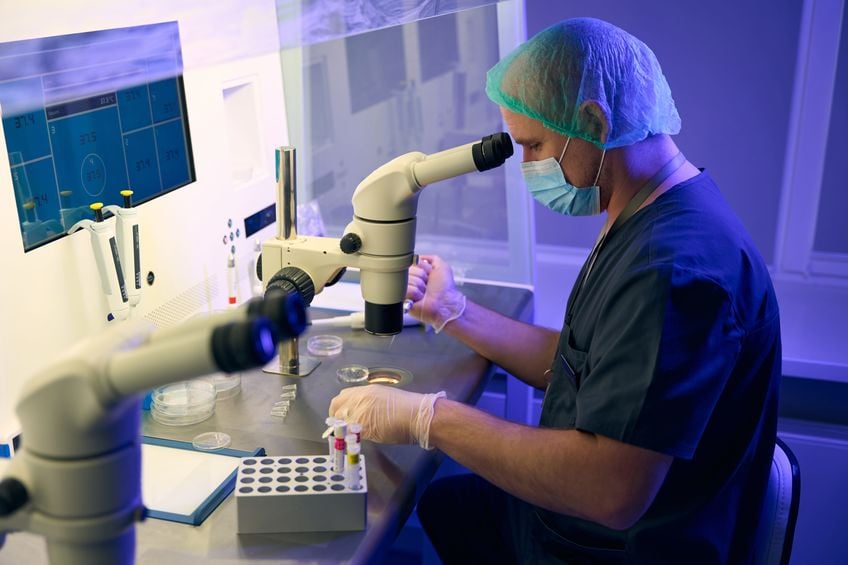
Once an egg donor is selected, the process mirrors traditional IVF in many ways. Following ovarian stimulation with fertility medications, eggs are retrieved from the donor. Fertilization then occurs in a laboratory using sperm from a partner or a donor. The resulting embryos develop for several days under the watchful eye of the embryologist. At the same time, the intended parent undergoes hormonal preparation, so the uterus lining is receptive and ready. At the optimal point in the cycle, an embryo is transferred into the uterus of the intended parent. If multiple embryos are created, the additional specimens can be frozen for future family-building.
Success rates
Donor egg treatment often provides higher pregnancy success rates than IVF using a woman's own eggs when egg quality is the primary barrier to conception. Success depends on several factors, including embryo quality, uterine health, sperm quality, and overall reproductive health. Donor age also plays an important role because younger donor eggs generally produce healthier embryos. Although no fertility treatment guarantees pregnancy, donor eggs offer many families an excellent chance of achieving a healthy pregnancy and live birth.
Emotional and future planning
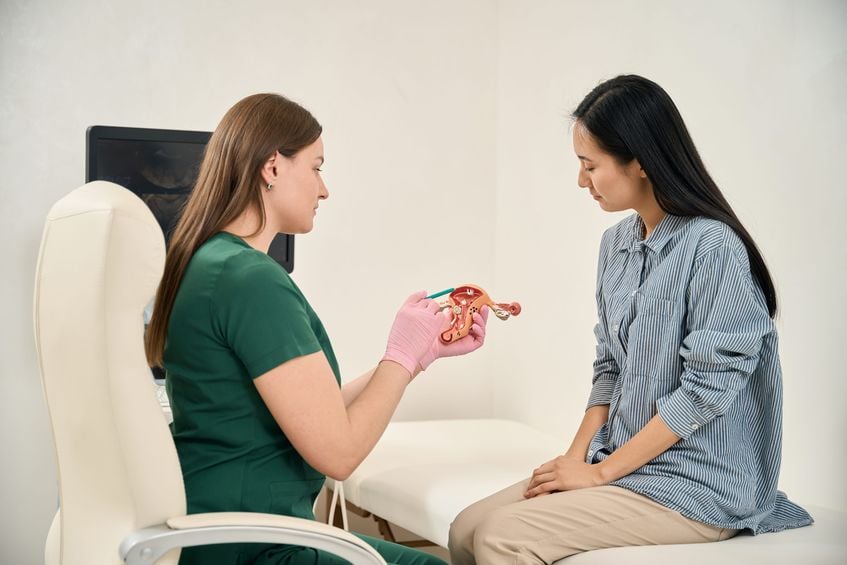
Choosing donor eggs often brings excitement along with complex emotions. Many individuals and couples benefit from counseling before treatment to discuss donor relationship expectations, future conversations with children, and the lack of a genetic connection with the child. Open communication between partners supports confidence throughout the process. Fertility centers frequently recommend counseling as part of comprehensive donor egg care, as emotional preparation remains just as important as medical preparation in this situation.
Looking ahead with confidence
Donor eggs have helped thousands of families achieve pregnancy when other approaches were unsuccessful. Advances in ART continue to improve safety, screening, and pregnancy outcomes. Every fertility journey is unique, making individualized care essential throughout treatment. A reproductive endocrinologist (RE) can review all the available options and help develop a personalized treatment plan. Accurate information, expert guidance, and compassionate support allow couples to start or grow a family with confidence.