What Role Does Progesterone Play?
Whether for natural conception or in vitro fertilization (IVF), the embryo must safely implant into the uterus to begin the pregnancy journey. Progesterone plays a critical role in this process. This hormone transforms the uterine lining into a space that welcomes the embryo. Progesterone also causes endometrial glands to secrete the nutrients embryos need while increasing blood flow to the uterine lining. Other roles include suppressing uterine contractions that could expel the embryo and modulating immune responses to help the uterus accept the embryo. Even if the embryo is healthy and chromosomally normal, implantation can still fail without adequate progesterone levels. During IVF, progesterone supplementation is a crucial step. Supplementation ensures the patient’s endometrium is prepared for implantation. Patients who follow the appropriate regimen are more likely to see cycle success.

Fresh vs frozen IVF cycles
Progesterone supplementation is important but must be adjusted based on the type of IVF performed. In a fresh IVF cycle, preparing the uterine lining must happen sooner. Embryo transfer happens 3-5 days after retrieval. Supplementation typically begins the evening of or the day after egg retrieval and continues for several weeks if pregnancy occurs. Progesterone supplementation is also necessary as ovulation stimulation can disrupt natural production. For a frozen embryo transfer (FET), a different approach is necessary as the body is not readily producing progesterone. Medicated FET cycles use estrogen to build the lining, then add progesterone before the transfer. The timing is often aligned with the stage of the embryo. A blastocyst transfer, for instance, needs progesterone 5 days before transferring. The fertility clinic will guide the patient on the best regimen based on the IVF cycle and unique patient characteristics.
Supplementation type matters
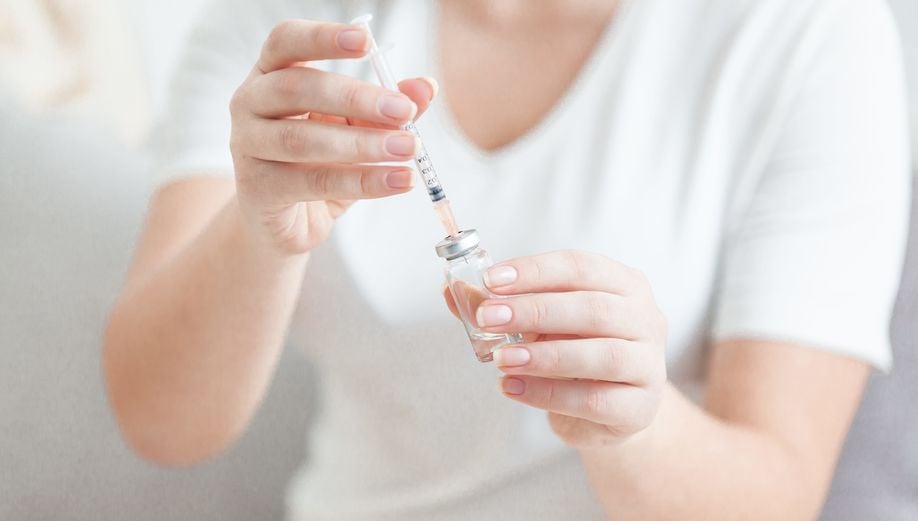
During IVF, patients will have different options and formulations for progesterone. The formulations range from vaginal suppositories, capsules, and gels to injections and oral capsules. The fertility clinic can recommend the best option based on personal preference, accessibility, cost, and immediate needs. Each type has advantages and disadvantages. Vaginal progesterone, for instance, provides high local uterine concentrations with fewer side effects, but can cause vaginal irritation. Intramuscular injections create higher, more stable hormone levels but require daily injections that can be painful and cause injection site reactions. Oral options may be easier to use but may require higher concentrations to be effective. No option is superior, so work with the fertility clinic to find the most effective regimen.
Timing is everything
For progesterone supplementation to effectively influence the uterine lining, patient adherence and timing are critical. Missing doses or taking progesterone at inconsistent times can compromise implantation. Some clinics help by consistently monitoring progesterone levels and guiding patients accordingly. When all is said and done, patients who stick to recommended dosage and timing protocols have healthier uterine linings for implantation. If progesterone levels are low despite supplementation, the fertility clinic may increase the dose or switch routes. Most pregnancies tolerate brief progesterone optimization without negative effects.
The power of progesterone
During the IVF journey, progesterone plays a critical role. Without proper supplementation, the uterine lining is not ready for successful embryo implantation. Poor supplementation can be the difference between a successful IVF cycle and failure. In most cases, progesterone supplementation continues through 8-12 weeks of pregnancy in IVF cycles, though protocols vary. Some clinics recommend stopping gradually. Other clinics will tell patients to stop abruptly once the placenta produces sufficient independent progesterone. Never stop progesterone supplementation without approval from the fertility clinic. While high-quality embryos are important, everything fails if the uterine lining is not prepared to receive the transfer. Work closely with the fertility team for the best results.