Do Irregular Periods Require ART?
While no two menstrual cycles are the same, a range exists that is considered within normal expectations. For example, the full cycle length can range from 21-35 days. Ovulation generally occurs halfway through that timeline. For example, the ovulation window is usually around 2-2.5 weeks before menstruation, and typically lasts for 6 days. So a woman with a 28-day cycle would expect to ovulate between days 9-14. This timeline will, of course, shift depending on the actual cycle length. For women who experience irregular periods, tracking ovulation can be difficult. In some scenarios, these individuals might require fertility treatments to conceive.
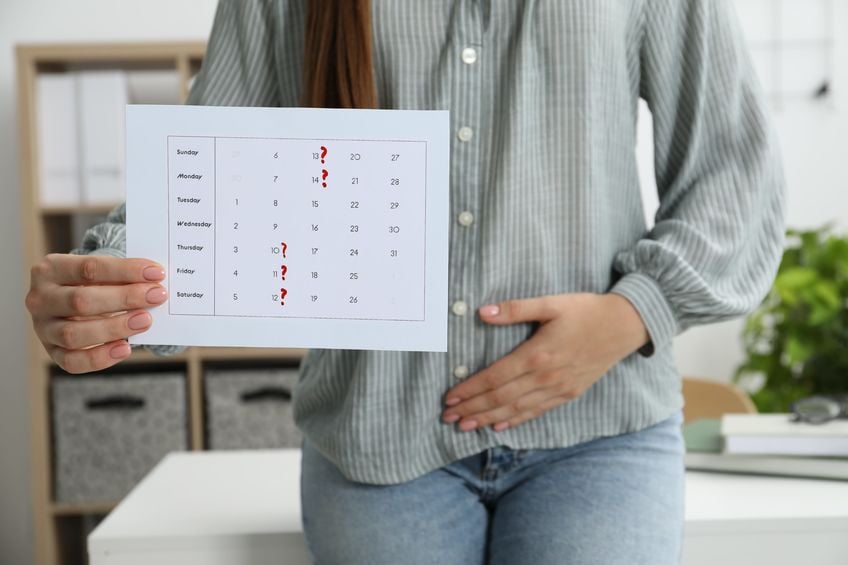
Defining irregular periods
An irregular period can refer to a variety of issues. For some people, the problem is that the cycle is shorter than 21 days or longer than 35 days. In other cases, a woman may miss 3 periods in a row. Some people may experience inconsistent flows from month to month, meaning that one period may be very light while the following cycle is heavier. A variety of factors can contribute to abnormal menstruation. High-performance athletes can often experience inconsistent menstrual cycles or stop having periods altogether. Since periods are directly influenced by hormones, individuals dealing with imbalances such as polycystic ovarian syndrome (PCOS) may also struggle with period irregularities.
Irregular periods and pregnancy
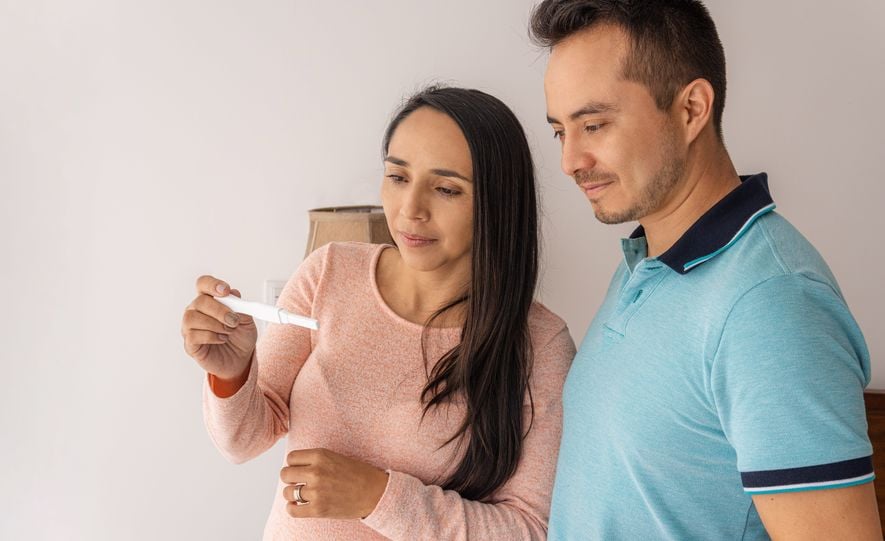
Having an irregular period makes natural conception harder because getting pregnant is all about timing. Intercourse has to be accurately coordinated with the ovulation window to improve chances of conceiving. Being able to accurately predict the 6-day window is vital to improving success rates. Some women may be able to track ovulation through traditional methods like checking basal body temperature, ovulation tests, or fertility monitors. For some people, at-home methods may not be precise enough. Instead, fertility treatments may be required.
Irregular periods and fertility treatments
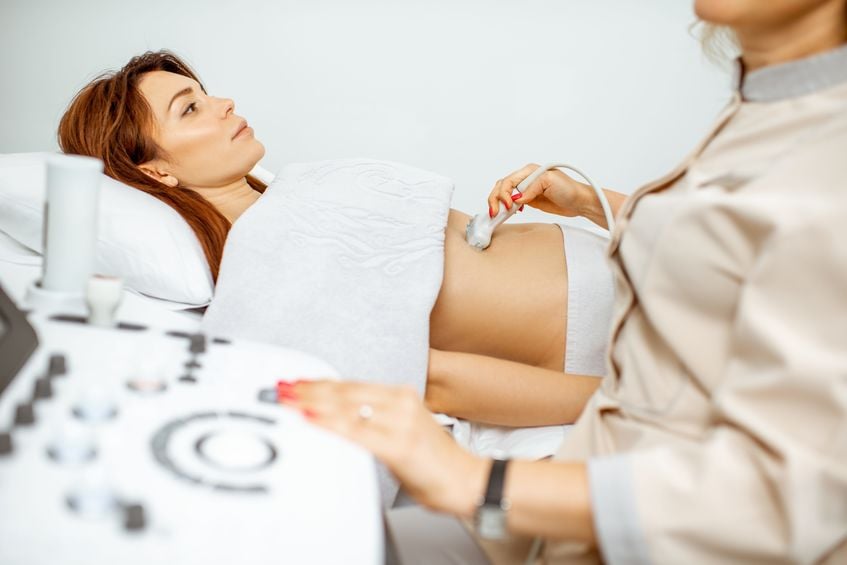
When irregular periods make natural conception harder, fertility treatments are a smart choice. Conditions such as PCOS or endometriosis often require assisted reproductive technology (ART) treatments because of the outsized impact on ovulation. Specialists will often recommend in vitro fertilization (IVF) or intrauterine insemination (IUI) because of the ovulatory monitoring that is involved.
Enhanced ovulation monitoring
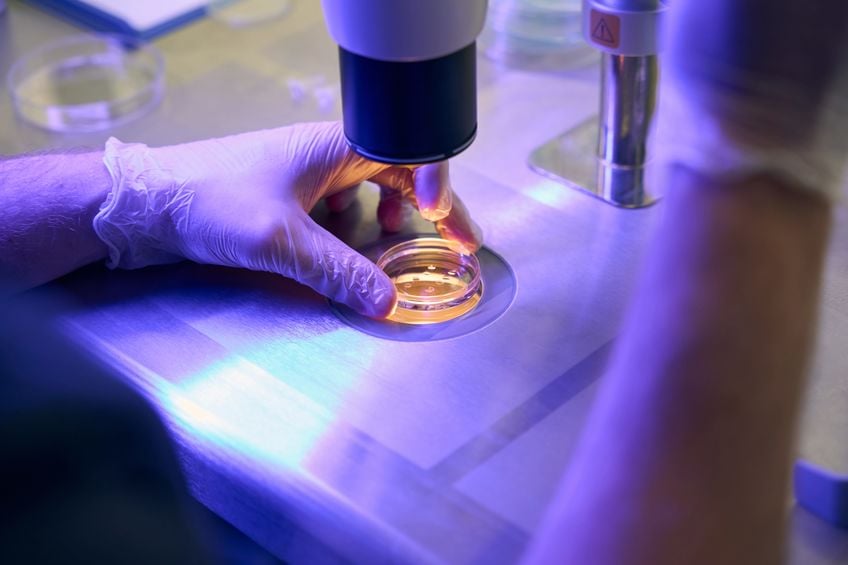
One of the benefits of opting for fertility treatments is that a specialist can work with a woman to help regulate menstruation. Often, a patient will be prescribed birth control before beginning an actual cycle to help stabilize hormones and build consistent ovulation data. Depending on whether any other issues are present, an individual might be a better candidate for IVF or IUI. If egg quality, age, or a history of miscarriages or extended periods of trying exists, then IVF may be preferable. The process focuses on using either donor or harvested eggs that are then fertilized outside the body by a partner’s or donor sperm. The embryo is then transferred to the uterus in hopes of implantation. With IUI, partner or donor sperm are introduced directly to the uterus, bypassing the vagina and cervix, which can reduce issues that might make conception harder.
Making the choice
Opting for fertility treatments is usually dependent on the severity of a woman’s irregular period. If ovulation can’t be accurately tracked at home, then options like IUI and IVF help remove the guesswork and increase the chances of successfully getting pregnant. Speaking with a fertility specialist can help narrow down the options.