All About The Trigger
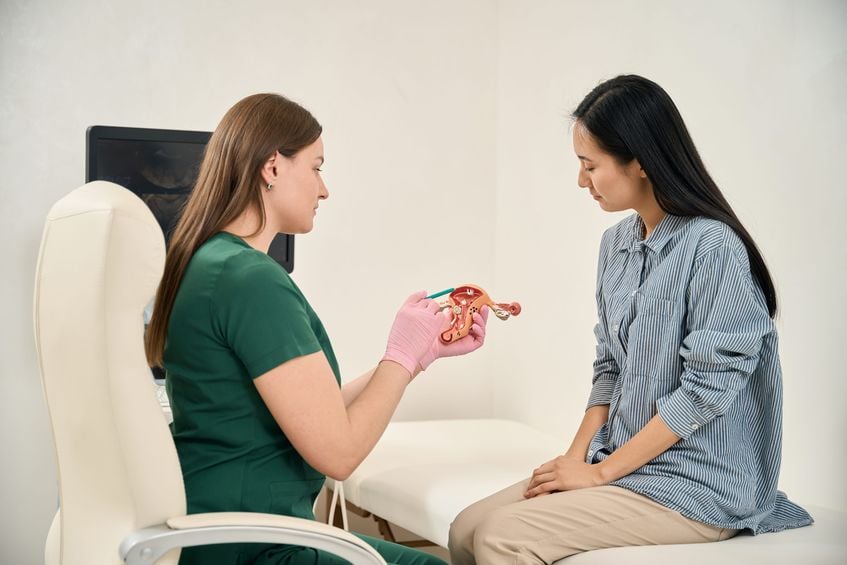
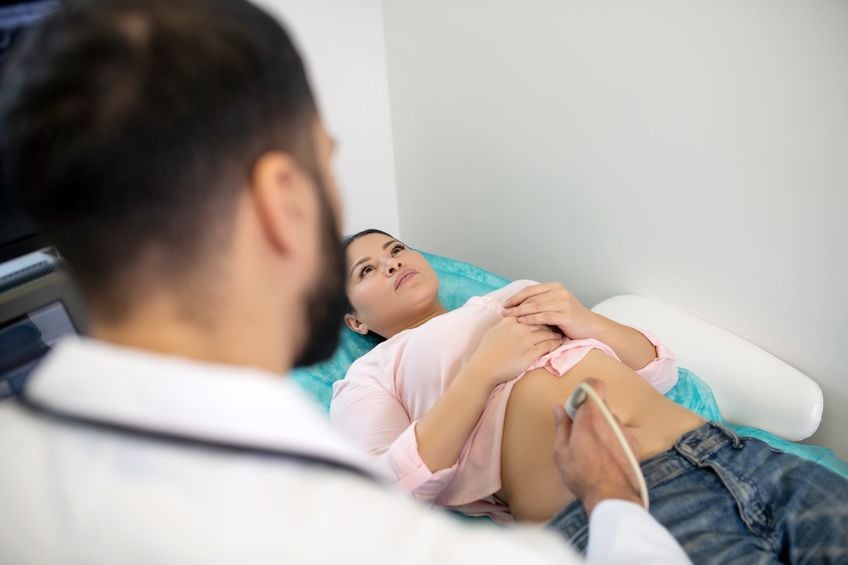
The trigger shot is arguably the most critical part of an in vitro fertilization (IVF) or similar assisted reproductive technology (ART) cycle. During IVF, a patient takes hormone medication to develop multiple mature follicles in the ovaries, which will be necessary for embryo production. A precisely timed injection of hormone medication, known as the trigger shot, completes egg maturation and determines when retrieval occurs. Trigger shots determine how many mature, high-quality eggs will be retrieved. Choosing the wrong medication or timing can jeopardize the IVF process. While the fertility specialist will determine the appropriate trigger shot, patients should understand the options available. As different factors influence medication use, this knowledge helps patients actively participate in the process.
Your standard trigger shot
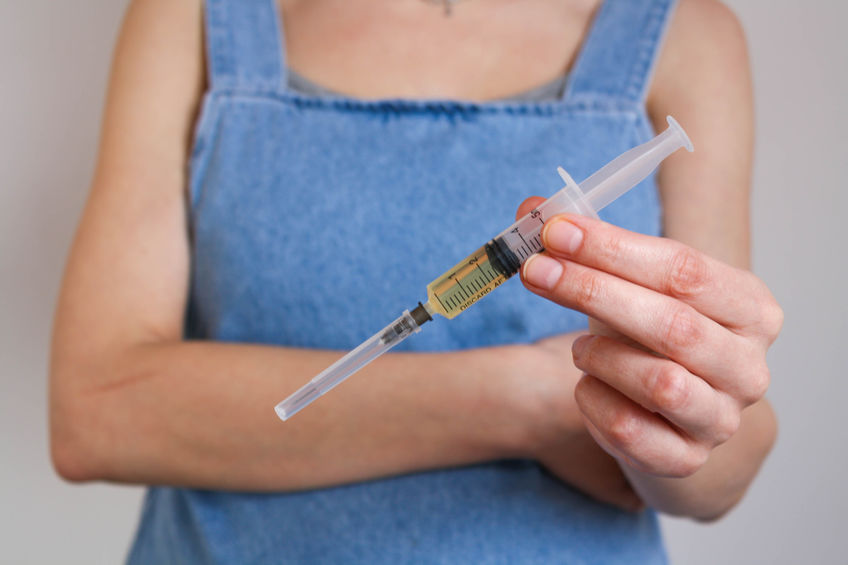
The trigger shot mimics the natural luteinizing hormone (LH) surge that causes final egg maturation. Without this trigger, eggs remain immature and cannot be successfully fertilized. The trigger shot occurs about 36 hours before egg retrieval, so timing is everything. For decades, the standard trigger shot consists of human chorionic gonadotropin (hCG), which mimics LH. HCG is also known to last long enough for egg maturation and support a wide range of follicle sizes. An hCG shot also helps with producing progesterone that supports early embryo implantation. Most fertility clinics have extensive experience with hCG and choose this trigger shot as a safe, predictable option.
Lupron as an alternative
Some fertility clinics use leuprolide acetate, commonly called Lupron, as an alternative trigger shot. Leuprolide acetate is a synthetic form of gonadotropin-releasing hormone (GnRH), which activates differently from hCG. This trigger shot causes a surge of LH and follicle-stimulating hormone (FSH), which then creates a hormone surge like natural cycles. Lupron helps patients with a high risk of ovarian hyperstimulation syndrome (OHSS), a potentially dangerous complication. This effect is shorter than hCG, reducing the risk of OHSS while still providing egg maturation. Unlike hCG, however, leuprolide acetate triggers may not offer adequate corpus luteum support. This can mean patients may need progesterone supplementation during the luteal phase.
Combining both medications
Some clinics use dual trigger options, combining hCG and Lupron for cases where a combination strategy will benefit patients. The combination therapy provides a natural surge of LH and FSH while providing hCG's sustained support. Dual triggers may improve outcomes for patients who struggled with previous IVF cycles. Those with expected lower egg numbers, or women with diminished ovarian reserve (DOR), can also benefit from a dual trigger shot option. The combination potentially maximizes the number of mature eggs retrieved while reducing OHSS risk. While effective, a dual approach can be more costly and complex, needing an experienced fertility clinician to manage the trigger shot. The fertility clinic will choose a single or dual trigger shot option. Factors like maturity rate, number and size of developing follicles, and previous success rates will determine choice and dosage.
Discuss trigger strategy with your doc
Fertility specialists will choose standard hCG, leuprolide acetate, or a combination for the best possible trigger shot. Do not hesitate to ask why a particular trigger was chosen, what the benefits are, and the risks. Someone with a high OHSS risk should get a trigger shot that keeps this condition in mind. Those with previously poor maturity rates can benefit from changes in doses or timing. A trigger shot is a single, important injection that requires careful consideration. The medication choice, dosing, and precise timing collectively determine how many mature. Work with the fertility team to ensure everything is being done to maximize success.