Can STIs Create Pregnancy Complications?
Even though pregnancy can seem like a commonplace event that happens to countless women around the world, the truth is that the milestone relies on a delicate balance between health, mental wellness, and lifestyle choices. Some women may be struggling with underlying health issues that can lead to hormonal imbalances, or make implantation difficult. SImilarly, dietary choices, using tobacco, consuming alcohol, or even ilicit drugs can all influence fetal development and in severe cases lead to miscarriage or reduce conception odds. However, even before pregnancy can become an option, sexually transmitted infections (STIs) can be incredibly dangerous to reproductive health in both men and women.
Why treating STIs matters
In extreme cases, an untreated STI can result in sterility, pregnancy complications, or severe birth defects in children. This risk is heightened for specific infections that can pass the placenta or be transmitted through breastfeeding. For example, syphilis is a well-known STI that can cross the placenta. Meanwhile, hepatitis B, chlamydia, genital herpes and even gonorrhea are transmitted during vaginal births. HIV, however, can be passed either across the placenta during pregnancy or via natural birth. If an STI is passed to a fetus or a baby during birth, a variety of health concerns may occur, such as low birth weight, brain damage, illness, stillbirth, blindness or deafness, and even poor coordination with body movements.
Treating before pregnancy
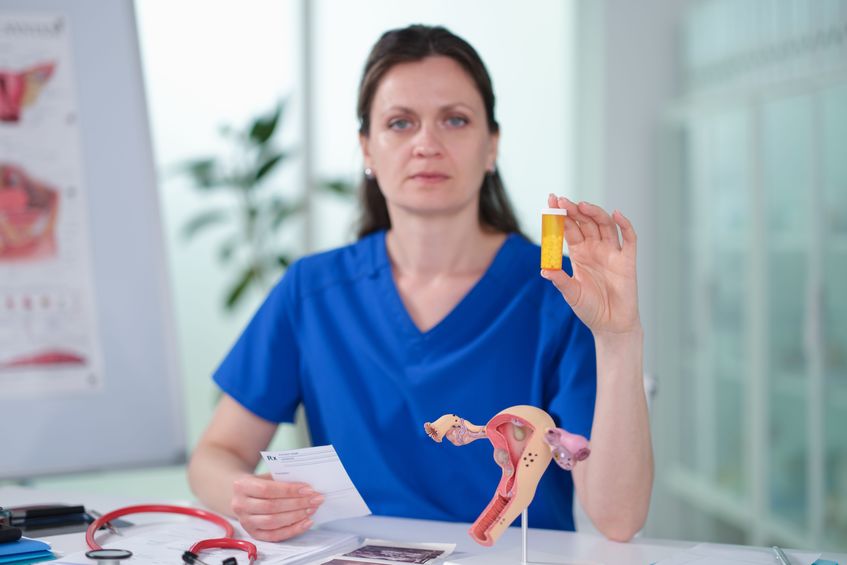
Ideally, individuals interested in having children, even if in the future, should focus on treating or managing STIs before attempting to get pregnant. However, many STIs are asymptomatic, so regular screening for sexually active individuals is recommended. If an infection is discovered, seeking prompt care can preserve fertility and reduce the risk of passing illnesses to the fetus. Depending on the source of the infection, a healthcare provider may prescribe either antibiotics or antivirals to control viral loads and reduce the risk of passing infections onto a fetus or other people.
Treatment during pregnancy
If an STI isn’t detected until after a woman is pregnant, treatment options are still available but may be more limited depending on the condition that’s present. Not all medications or therapies are safe to take during pregnancy. Bacterial infections such as syphilis, chlamydia or gonorrhea can safely be treated with antibiotics. Some viral STIs like HIV or herpes may not be cured but can still be managed with antiviral medications. Still, taking a proactive approach is best to avoid experiencing complications.
Be smart about reproductive health
Using contraception is one of the smartest ways to avoid knowingly creating exposure risks that could impact fertility as well as encourage pregnancy complications that influence infant and child development. However, regular testing offers early detection opportunities that can minimize the chances of health complications for a woman or an unborn baby.