When Scar Tissue Threatens Fertility
Asherman’s syndrome is a rare condition that impacts 1.5% of women of reproductive age. While rare, the effects of Asherman’s can be significant, especially for women hoping to conceive. Adhesions, scarring, and bands of tissue on the uterine cavity or cervix characterize the condition. Most cases are linked to side effects from a previous dilation and curettage (D&C) procedure or uterine surgery. A previous pelvic infection causes some cases. Asherman’s syndrome can lead to uterine abnormalities, including infertility. Understanding the symptoms and consequences of Asherman’s can lead to effective treatment, especially for women hoping to achieve pregnancy.
Formation and symptoms of intrauterine adhesions
Asherman's syndrome often forms when layers of the endometrium fail to heal properly after trauma. The result is scarring or bands of tissue that disrupt the natural uterine environment. An absent or very light period is the most common symptom of Asherman's syndrome. Along with absent periods, women often experience severe pain and cramping. This cramping often occurs around the time of a woman's expected period. Scarring in the lower uterine cavity can block menstrual blood from exiting. Another common symptom, and often the most concerning, involves difficulty getting or staying pregnant.
The impact on fertility and pregnancy
Asherman's syndrome has a direct impact on fertility and pregnancy. While the condition may not impact ovulation, the issue lies with embryo implantation. Asherman's syndrome damages the uterine lining and environment, causing implantation to be difficult. Women also experience multiple miscarriages. The distorted uterine cavity and damaged endometrial lining mean sustaining pregnancy is particularly difficult.
Diagnostic options for you
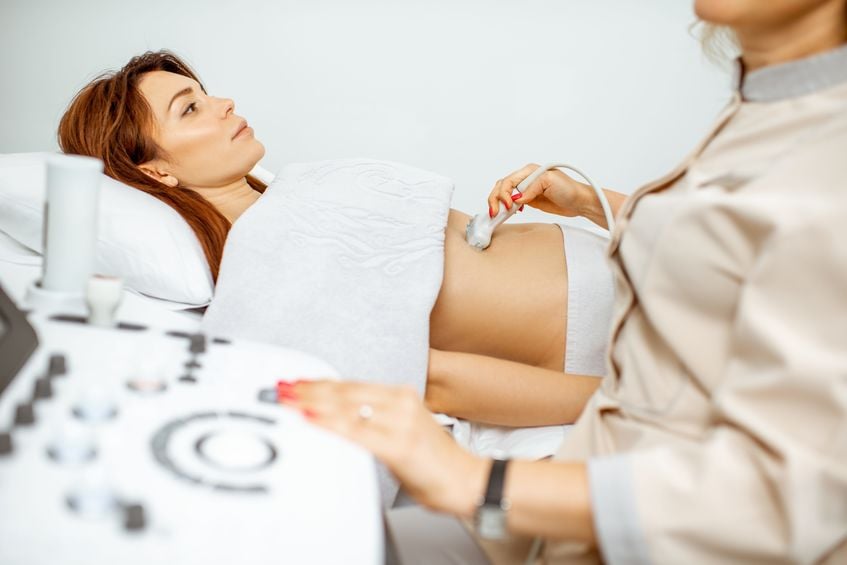
As Asherman's syndrome has similarities to many other uterine-related conditions, proper diagnosis is crucial. A transvaginal ultrasound or similar medical scan can confirm scarring, endometrial thickness, and other signs of Asherman's syndrome. Knowledge of the patient's medical history, including past D&C procedures or pelvic infections, can help confirm the condition. Hysterosalpingography (HSG) is a more definitive test. A liquid dye is injected through the cervix, and X-ray images are taken. A healthy uterus should fill the cavity evenly, while Asherman's displays distortions or blockages. Some patients are diagnosed using hysteroscopy, an examination with a special scope, considered the most effective diagnostic option.
What are your treatment plans?
Doctors will recommend treatment with the objective of improving uterine health and potentially boosting fertility. A surgical procedure called hysteroscopic adhesiolysis is often the most recommended and effective solution. This procedure happens immediately after hysteroscopy. A thin scope and other surgical tools are inserted through the cervix to carefully remove scar tissue through incisions or laser treatment. Surgery can remove tissue, help restore the normal uterine shape and size, with minimal damage to the existing lining. After surgery, the medical team may insert a stent or balloon to support the uterine cavity and prevent adhesions or scarring from forming.
Continuing therapy with medication
Sometimes, removing the adhesions and scarring caused by Asherman's is not enough. Some women need support to restore the natural uterine lining, even after removing the intrauterine balloon or stent. At this stage, doctors will recommend hormone medication to boost uterine health. A high dose of estrogen can be administered for several weeks to stimulate the growth of the endometrial lining. Progesterone is also used to regulate the patient's menstrual cycle. This treatment also confirms if the uterine lining is functioning properly. Scientists are also looking at platelet-rich plasma (PRP) as a tool to improve symptoms naturally.
Your fertility options
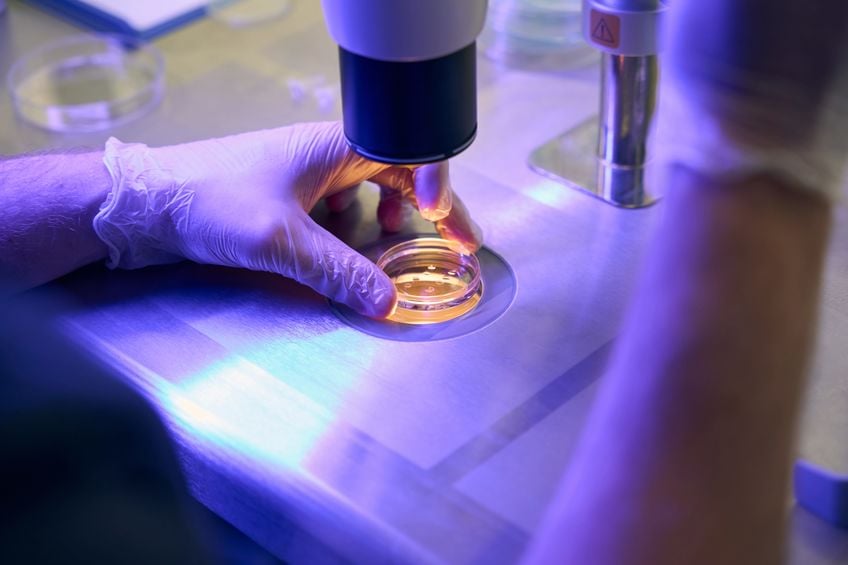
Once the uterine cavity is restored, patients can try to conceive naturally, with many experiencing success. Some women can still struggle to maintain pregnancy, however, due to the severity of the condition. At this point, some women move on to assisted reproductive technologies (ART) like in vitro fertilization (IVF) with the condition in mind. A fertility team can create specialized protocols for endometrial preparation. Hormone medication may need to be customized to better support the embryo. Repeated IVF failure may result in gestational surrogacy, where another woman with a more viable uterine lining carries the embryo.
Hope and future fertility
Asherman's syndrome can be a challenging condition to manage both short-term and long-term. The scarring, adhesions, and bands of tissue fundamentally change the shape and viability of the uterine lining. Along with irregular or absent periods and pelvic pain, the biggest concern lies with infertility. After recognizing the initial symptoms, including infertility, women should seek medical advice. In many cases, symptoms show immediately after a recent surgery. Comprehensive treatment is available, with many helping to restore the uterine lining. Even after treatment, further support to improve reproductive health, including IVF, may be needed. Work with a specialist to develop a multi-step plan for better uterine health and fertility.