Can Varicocele Repair Reverse Male Infertility?
Conversations around fertility almost always focus on the woman. However, men are an important part of the discussion too. Specifically, research shows that male reproductive health accounts for the sole cause for delayed conception in at least a third of all infertility cases in the US. Meanwhile, in another third, both men and women contribute to infertility equally. Male infertility can occur for a variety of reasons but usually centers around sperm health. For men who struggle with testicular issues, a varicocele repair may be recommended before a couple begins fertility treatments.

The case for varicocele repair
Not every man facing infertility needs to undergo varicocele repair. The treatment is usually recommended specifically for individuals who have enlarged veins within the scrotum. Beyond the visual cues that a problem is present, men with this condition often experience physical symptoms. Common experiences can include dull aching or a dragging sensation, which can worsen when a man stands for extended periods or engages in intense exercise. Although the condition can occur in any male, people in puberty are most likely to be diagnosed.
How varicocele impacts fertility
Varicocele is actually quite common and can impact around 15% of all adult men. The condition causes blood to pool in the testicles because of faulty valves in the veins found in this region of the body. Often the diagnosis self-resolves, meaning interventions typically aren’t needed to correct the problem. However, for people who do have more issues, a varicocele raises testicular temperature, creating problems with sperm production. Specifically, the testes usually are 3 degrees cooler than the rest of the body. So the higher temperature inhibits sex cell development.
Varicocele repair can help
Varicocele repair is also referred to as a varicocelectomy, and is a surgical process that works to correct enlarged veins in the scrotum. Research shows that men who undergo this procedure have a high chance of improving fertility. Specifically, conception rates can improve by up to 70% after a varicocectomy. Two forms of the surgery may be recommended depending on the severity of a patient’s diagnosis. Varicocele repair can be performed as either an open or minimally invasive surgery (MIS).
Picking the right surgery
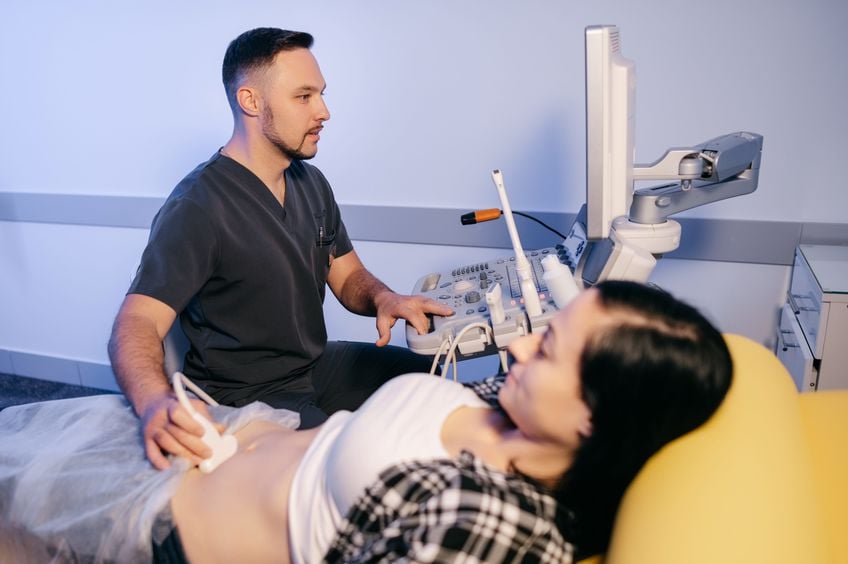
Varicocele has four diagnosable grades ranging from 0 to 3. A physician will usually recommend a physical and may also suggest an ultrasound, a semen analysis and a blood sample to determine the severity of the condition. Typically, general anesthesia is used for this operation, which is usually treated as an outpatient procedure. The surgery length will depend on the diagnosis received.
What to expect after
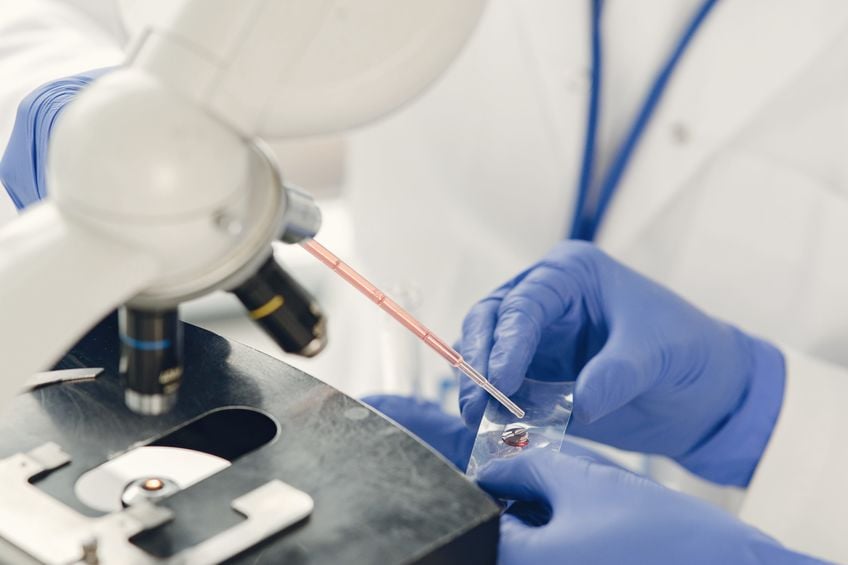
Most men can fully heal from a varicocelectomy between 4-6 weeks. Pain is usually managed with over-the-counter (OTC) medications as well as icing the scrotum. For fertility treatments, specialists will usually recommend waiting a full 3-6 months after the surgery to make time for sperm quality to improve. Usually a semen analysis will be performed around the 3-4 month mark as well. Sometimes a man may be given supplemental hormones to further boost sperm production.
Varicocele repair and fertility treatments
Varicocelectomies tend to produce better fertility outcomes. Common options include intrauterine insemination (IUI), in vitro fertilization (IVF) or even intracytoplasmic sperm injection (ICSI). Couples can opt to try to conceive naturally or undergo fertility treatments after repeated attempts for at least 6 months.