
How Do Gonadotropin Injections Work?
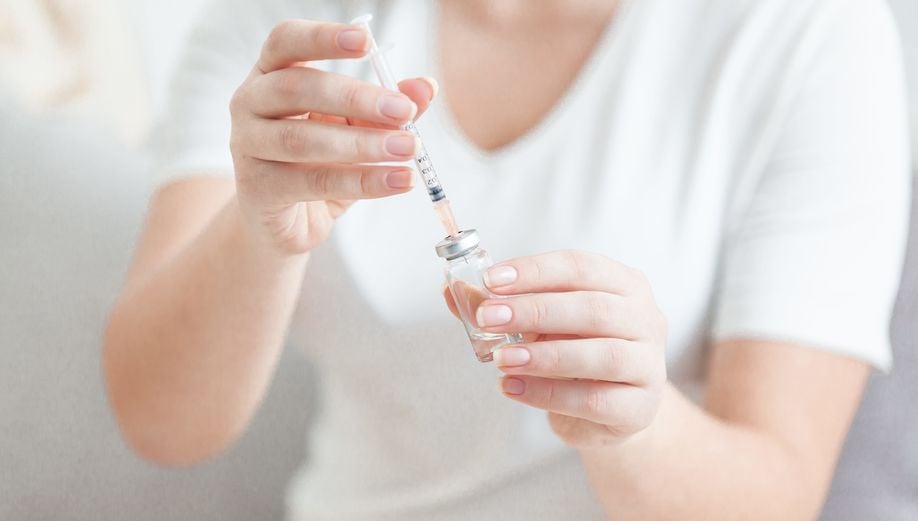
At the center of in vitro fertilization (IVF) and other forms of assisted reproductive technologies (ART) lie gonadotropin injections. These hormone injections are necessary for ovulation induction, which helps the ovaries produce multiple eggs necessary for IVF, but in a controlled manner. After development, the eggs are surgically extracted and combined with sperm to create viable embryos. The mechanism behind gonadotropin injections may seem complex on the surface. A closer look shows that gonadotropin injections mimic the body’s natural hormone process, but at scale and with consistency. Multiple days of gonadotropin injections can be an anxiety-inducing part of the process. When done as instructed, gonadotropin injections can lead to the safe production of the mature eggs needed for IVF success.
The natural blueprint
Gonadotropins are naturally produced hormones that are deeply involved in the fertility and conception process. In a typical menstrual cycle, the brain and ovaries communicate through the hypothalamic-pituitary-ovarian (HPO) axis. The hypothalamus releases signals that prompt the pituitary gland to produce follicle-stimulating hormone (FSH) and luteinizing hormone (LH), collectively called gonadotropins. FSH stimulates the follicles to grow and develop while LH triggers final egg maturation and ovulation. During this process, when FSH rises, a single follicle in the ovaries becomes dominant over the others. This follicle matures and is released thanks to the LH surge, while the others become dormant. This ovulation process is essential to achieving a natural pregnancy.
All about control
Gonadotropin medications used during IVF provide synthetic or purified versions of FSH and LH. These injectable hormones deliver a much higher dose than the body produces naturally. This sustained high FSH prevents follicles from becoming dormant. As a result, multiple follicles continue developing during the cycle rather than just a single dominant follicle. Manipulating these natural hormones with external supplementation allows specialists to control and manage egg production beyond natural means. The aim is to mature multiple high-quality eggs simultaneously while preventing premature ovulation. Gonadotropin stimulation allows fertility clinics to manage follicles through multiple developmental stages. As the follicles grow, many do so at different stages of maturity. The right combination of gonadotropins helps to synchronize follicle development so most reach the appropriate size simultaneously. Fertility clinics can track individual follicle development with imaging and then surgically retrieve more mature eggs.
Preventing side effects
A major challenge when using gonadotropin injections is stimulating enough follicles for good egg numbers without causing side effects. Ovarian hyperstimulation syndrome (OHSS) is the most common and concerning side effect. Ultrasound monitoring allows real-time dose adjustments, such as increasing doses for low responses, and decreasing or pausing medications if too many follicles develop. Blood tests check estradiol levels, which also help to check follicle number and maturity stage. As the mechanism is controllable, fertility clinics can reduce or hold gonadotropin doses or change the trigger shot. For some women, changing the protocol from a fresh IVF transfer to a freeze-all protocol may be recommended to allow the body enough time to recover. Studies show that modern protocols have significantly reduced the risk of OHSS. The goal is to get the most follicles while keeping the patient safe.
A successful fertility journey
Gonadotropin injections play a vital role in helping patients with infertility achieve pregnancy. By safely stimulating the development of multiple mature eggs, these medications lay the foundation for embryo development, selection, and implantation. These injections amplify an already natural process where FSH and LH develop the follicle necessary for pregnancy. Control allows for the development of multiple follicles, which are essential for future IVF cycles. The complexity lies in dosing, timing, and monitoring. As each patient responds differently, fertility clinics ensure the medications create safe conditions while preventing complications. Understanding this mechanism helps patients appreciate how gonadotropins create multiple mature eggs and why IVF requires careful individualized protocols.