Irregular Cycles And Infertility
The menstrual cycle provides valuable information about reproductive health and hormonal balance. Regular cycles usually reflect predictable ovulation and coordinated hormone activity within the body. Irregular cycles often signal disruptions that may interfere with natural conception. Early recognition of abnormal cycle patterns allows for faster evaluation and infertility treatment when necessary. Understanding cycle patterns and changes helps identify potential fertility concerns before months or years of unsuccessful conception attempts.

What counts as irregular
Normal menstrual cycles typically occur every 21-35 days for women and remain relatively consistent from month to month. Cycles that fall outside this range or change frequently may indicate irregular menstruation. Skipping a period, unusually long gaps between periods, or bleeding occurring every few weeks often signal a hormone imbalance. Very heavy or very light bleeding patterns may also indicate underlying reproductive conditions. Tracking cycle timing and associated symptoms helps identify patterns requiring further medical evaluation.
Ovulation disruptions and fertility
During ovulation, an egg is released from the ovary, creating the opportunity for fertilization each cycle. Irregular periods often occur when ovulation is inconsistent or fails to occur in certain months. Hormone signals from the brain and ovaries must coordinate precisely for ovulation to occur. Disruptions within this hormonal communication can delay or prevent egg release. Fewer ovulation events reduce the number of opportunities for pregnancy.
Conditions linked to irregular cycles
Several medical conditions commonly cause irregular menstrual cycles and may influence fertility. Polycystic ovary syndrome (PCOS) affects hormone levels and frequently disrupts ovulation timing. Thyroid disorders, including hypothyroidism and hyperthyroidism, can alter reproductive hormone signals and menstrual patterns. Elevated prolactin levels sometimes suppress ovulation and lead to skipped periods. Fibroids, endometriosis, and pelvic inflammatory disease (PID) can also alter cycle length. Chronic stress, extreme exercise, or significant weight changes may also disturb female hormone balance and cycle regularity.
Addressing a persistent problem
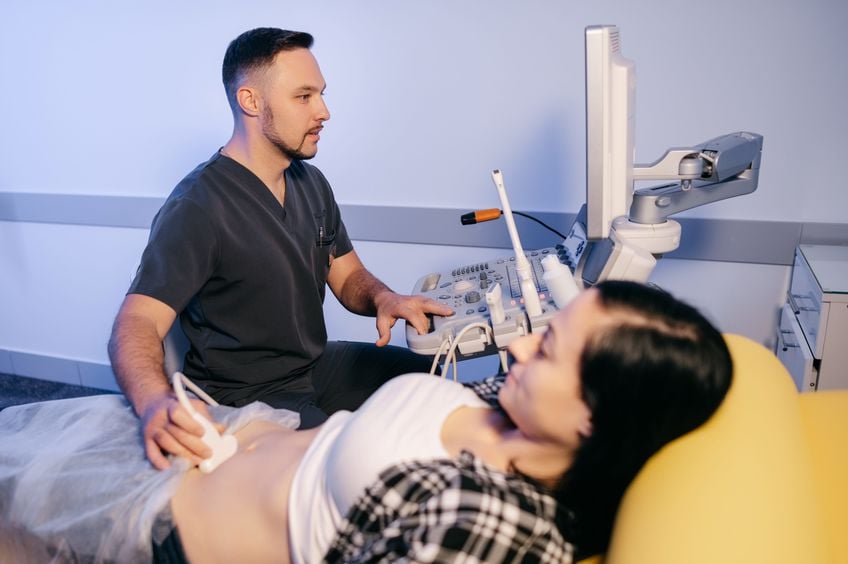
Medical assessment becomes important when irregular cycles persist for several months. Fertility specialists often begin evaluation with hormone blood testing and ovulation tracking. Ultrasound imaging may help assess ovarian structure and identify conditions such as PCOS. Early diagnosis allows treatment that improves cycle predictability and fertility potential. In some cases, a referral to a fertility specialist may be necessary to achieve a pregnancy.
Cycle awareness supports fertility planning
Careful attention to menstrual patterns can provide valuable insight into reproductive health. Recording cycle length, frequency, and related symptoms helps identify meaningful changes. Early recognition of irregular cycles allows for timely consultation with a healthcare provider. Many underlying conditions respond well to targeted treatment once a diagnosis is made, and oftentimes, normal ovulation can be restored. Increased awareness of menstrual health supports proactive fertility care and improves the chances of successful conception.