Parenthood Is Possible
Endometriosis can feel overwhelming. The symptoms, the stress, and the uncertainty around fertility often create doubt about becoming a parent. With the right care, guidance, and medical support, building a family remains a real possibility. Reproductive endocrinology brings clarity, options, and a focused care team to help along the way.
What happens in the body
Endometriosis occurs when tissue similar to the uterine lining grows outside the uterus. This can cause pain, inflammation, and sometimes, fertility issues. Endometriosis affects everyone differently. For some, symptoms appear early. For others, the condition goes unnoticed until trying to conceive. Learning how endometriosis impacts the body is the first step to finding the right approach.
When to see a specialist
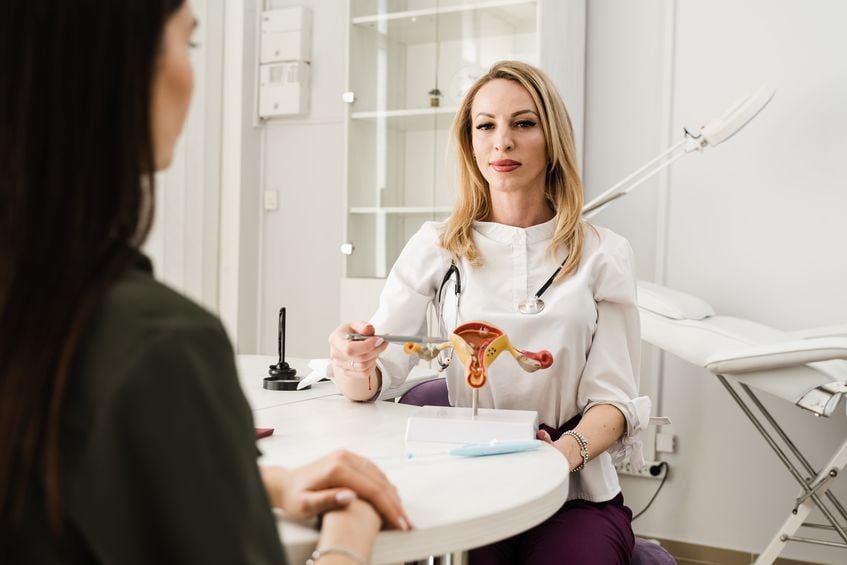
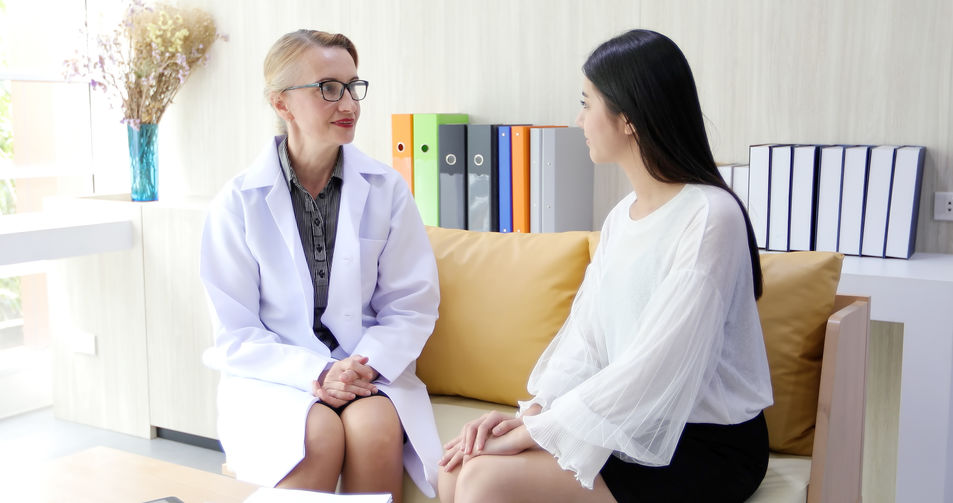
A reproductive endocrinologist is trained to spot how endometriosis may be affecting egg health, ovulation, or the chances of implantation. Even if pregnancy is not the focus right now, a fertility consult can offer useful information to guide decisions in the future. Getting ahead of any surprises helps take some pressure off later.
What fertility support can look like
Every treatment plan looks different. Some start with medications to help manage hormones. Others look into egg freezing or in vitro fertilization (IVF). Sometimes surgery is recommended to remove tissue that might be getting in the way. The best path depends on symptoms, goals, and how the body responds to earlier care. A good care plan often involves trial, adjustment, and steady communication between the patient and the care team.
Why it helps to track patterns
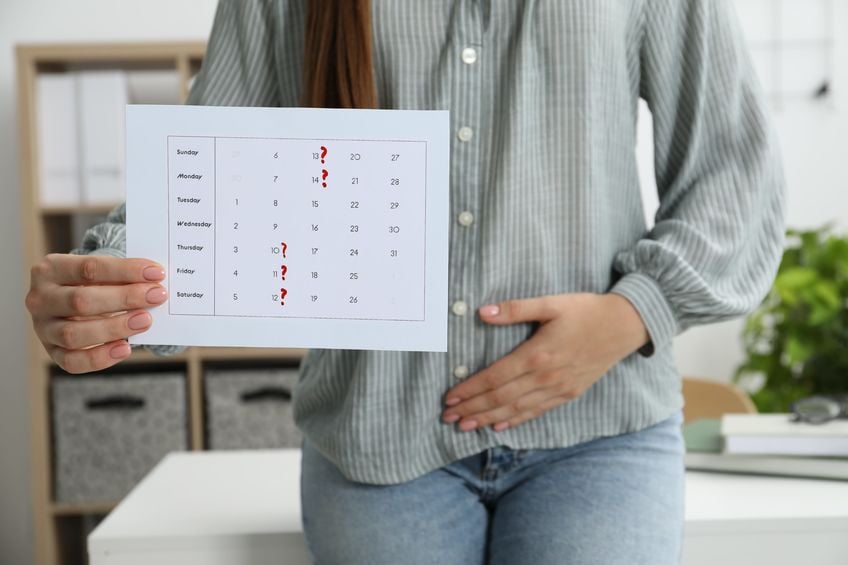
Keeping track of symptoms and cycle changes can help both the patient and the doctor see what is really going on. Apps, journals, or even quick notes in a phone can make it easier to spot patterns and explain concerns during appointments. The more context there is, the better the care can be. Even a few consistent notes can uncover details that might otherwise get missed.
Daily habits that matter
Endometriosis is not caused by poor habits, but small lifestyle shifts can still support fertility goals. Getting better sleep, eating balanced meals, finding ways to manage stress, and staying gently active can all help the body feel steadier during treatment. These daily choices may not seem big, but often add up in ways that support both physical and emotional resilience.
Do not overlook emotional health
Chronic pain, long wait times, and fertility struggles can wear anyone down. Finding space to vent, talk, or just breathe is part of the process. That might mean therapy, support groups, or just having someone nearby who understands. Emotional care is part of the whole picture. Small moments of validation or rest can bring a surprising sense of relief.
Hope, backed by science
The path to parenthood with endometriosis may not be easy, but the journey does not have to feel impossible. Reproductive endocrinologists bring medical know-how, clear planning, and steady support. With the right care, there are still steps that can lead toward a future family. Even small steps can build momentum toward bigger milestones.