The PCOS Fertility Struggle
Polycystic ovary syndrome (PCOS) is a common condition that affects the ovaries and hormones. Women with PCOS often experience irregular menstrual cycles, which can make conception much more difficult. While PCOS is a leading cause of infertility, many women with the condition still successfully conceive with the proper treatment. Here are 3 essential facts about how PCOS impacts fertility. With improved understanding, pregnancy is possible.

1. Irregular ovulation affects fertility
A key factor in PCOS that impacts fertility is irregular ovulation. The ovaries may not release an egg regularly, or sometimes not at all, making conception difficult. Without consistent ovulation, timing intercourse around ovulation becomes a guessing game, lowering the chances of pregnancy. Hormonal imbalances, such as elevated levels of androgens, can further disrupt ovulation. Correcting imbalances with medication can help restore regular ovulation and improve the likelihood of pregnancy.
2. Lifestyle changes matter
Making lifestyle adjustments is another important step for women with PCOS who are trying to conceive. Maintaining a healthy weight, eating a balanced diet, and engaging in regular physical activity can help regulate hormones and improve fertility. Studies show that weight loss, even a modest amount, can significantly enhance ovulation and increase the chances of pregnancy. Reducing stress through relaxation techniques such as yoga or meditation can also positively impact overall reproductive health. Combining lifestyle changes with medical treatment can help optimize fertility for women with polycystic ovary syndrome.
3. Managing insulin resistance improves outcomes
Many women with PCOS also experience insulin resistance, where the body becomes less responsive to insulin, leading to higher insulin levels. This can worsen hormonal imbalances, making ovulation more irregular and conception more difficult. Managing insulin resistance is essential for improving fertility and ensuring a future healthy pregnancy. Medications are commonly prescribed to improve insulin sensitivity and regulate hormone levels, and lifestyle changes can help increase the chances of successful conception.
Fertility treatments can help
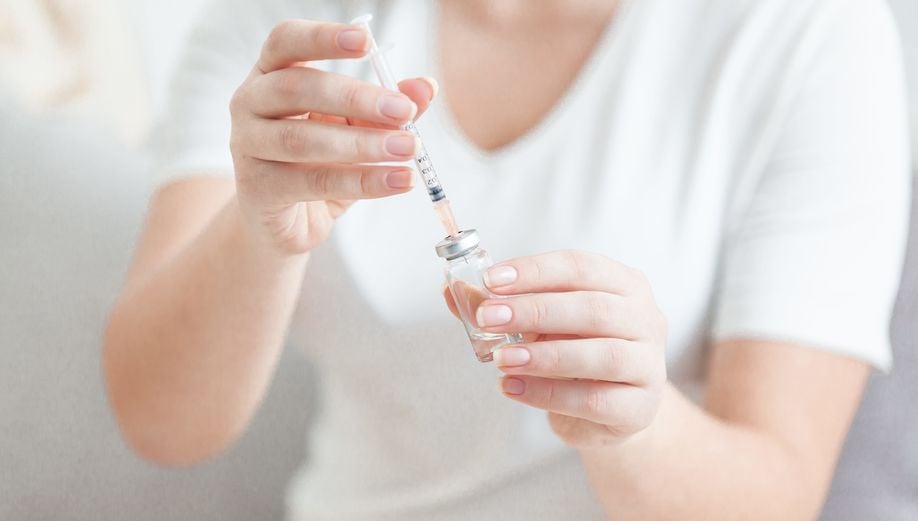
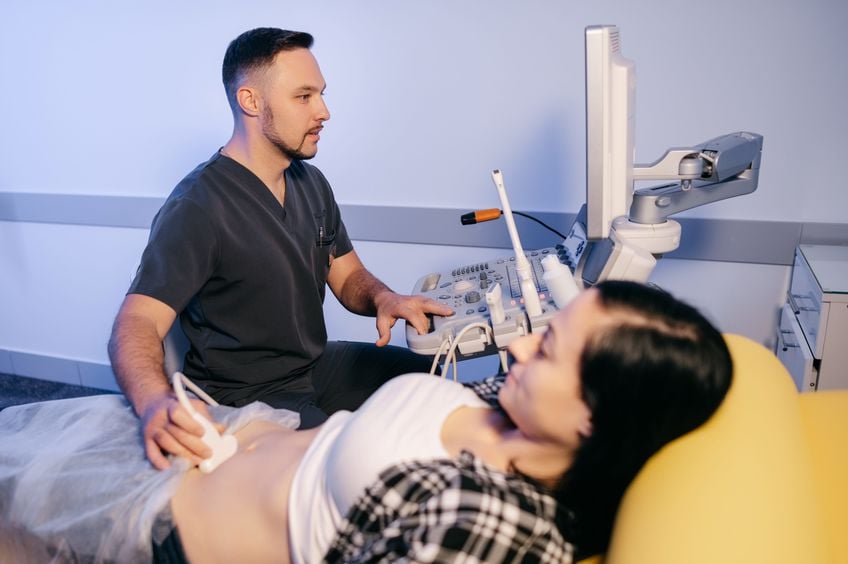
For women with PCOS who struggle to conceive, fertility treatments can be a valuable option. Ovulation-stimulating medications are often the first-line treatment to help induce ovulation. If oral medications are not effective, fertility specialists may recommend more advanced treatments like intrauterine insemination (IUI) to achieve pregnancy. In some cases, in vitro fertilization (IVF) may be recommended if other methods fail. A fertility specialist will work with individuals to determine the best action based on personal health and fertility goals.
Proactively addressing PCOS
Polycystic ovary syndrome can make conception more challenging but not impossible. By understanding how the condition affects fertility, women can take proactive steps to improve the chances of conception. From regulating ovulation with medications to making lifestyle changes and managing insulin resistance, there are many ways to increase the likelihood of pregnancy. Women who need an extra boost can often benefit from targeted fertility treatments. Building or expanding a family is possible with the right approach and medical support.