Improving IVF Success Rates
In vitro fertilization (IVF) is probably one of the most well-known, and most successful types of artificial reproductive technology (ART) that helps women and couples get pregnant. Most people believe that the magic of conception is entirely dependent on the experts and their work in the lab. However, the reality is that lifestyle habits can play a major part in whether that IVF round is successful or not. Specifically, incorporating vitamins into a healthy routine even before beginning the IVF journey can play a big part in whether the process yields a successful pregnancy or not. Here are four vitamins that could help boost conception odds.

Prenatal vitamins
Of all the vitamins a woman could take to prepare for pregnancy, prenatal vitamins are considered one of the best options. Designed to be a multivitamin that creates the perfect blend of essential nutrients when growing a little human, prenatals ensure that both mother and baby are meeting the necessary amounts of vitamins and minerals to sustain a pregnancy. While these supplements are packed with common options such as B complex, vitamin C, or magnesium, other critical components for fetal development such as DHA and folic acid are added. For best results, consider incorporating a prenatal vitamin before starting IVF. Doing so can improve nutritional levels, making the uterus more hospitable for embryo transfer. Yet, prenatals aren’t just for women, as research suggests that the vitamins can boost sperm health.
Vitamin D
Vitamin D is more than just an immunity supplement. Research suggests that the vitamin can also work to improve collagen production in the skin as well as improve bone health. However even though the nutrient is found naturally in the body, exposure to sunlight is needed for effective processing and as a result, many people struggle with vitamin deficiencies. Beyond bone health, collagen production, and immunity support, research suggests that proper vitamin D levels might even lower the potential of babies developing autism.
Iron
A good prenatal vitamin will have iron, unless that supplement is in gummy form. Iron is essential for a healthy pregnancy. Because not all prenatals contain enough of the nutrient, many women may be encouraged to take a stand alone iron supplement to boost levels for both mother and baby. Yet research also shows that iron can be directly linked with egg quality. Research suggests that poor iron levels can reduce ovarian production. Because IVF relies heavily on ovarian stimulation and egg harvesting, an iron supplement could improve outcomes during those critical steps.
CoQ10
Most people think of antioxidants as an anti-aging solution with coenzyme Q10 (CoQ10) being one of the most heavily promoted thanks to cell damage prevention and metabolism regulation. For IVF, research points to better egg health when taking the antioxidant supplement. The research is especially promising for people that tend to have poorer IVF success rates because of age or poor ovarian reserve. One recent study pointed to CoQ10 supplementation as an option that led to higher clinical pregnancy results in compromised groups when compared to placebo groups.
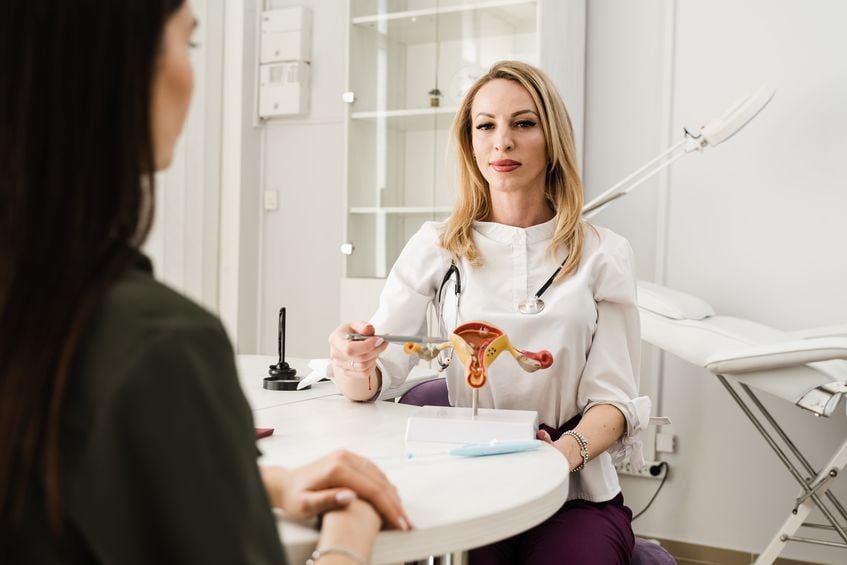
Get expert advice first
Vitamin supplements can be a great way to round out nutritional deficiencies, especially ahead of pregnancy which can be very trying on a woman’s body. However, finding vitamins that contain the proper amount of essential nutrients, as well as ensuring that a supplement won’t interact negatively with any prescription medications or underlying medical conditions is important. Before adding vitamins to a daily routine, be sure to speak with a fertility specialist.