Can Infection Leave A Lasting Impact?
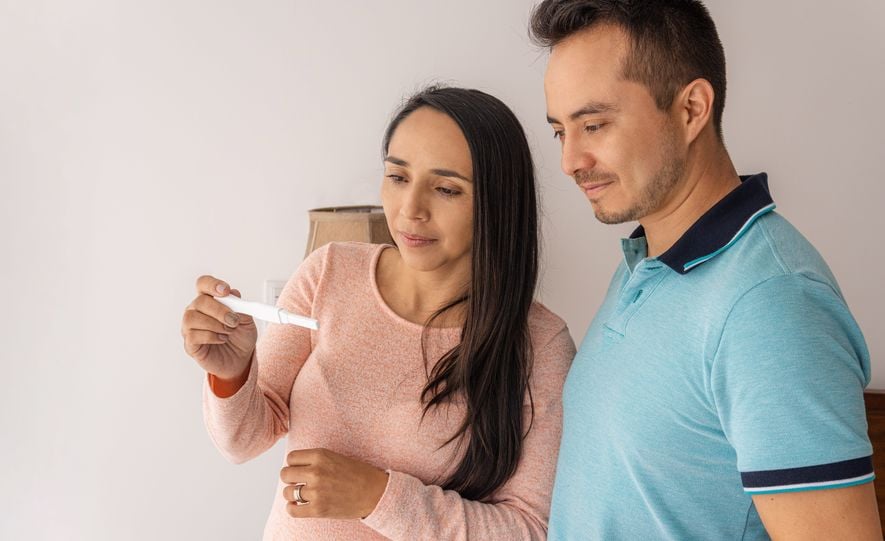
Pelvic inflammatory disease (PID) can create long-term reproductive challenges that extend beyond the initial infection. Damage to the fallopian tubes and surrounding pelvic structures may interfere with natural conception, making pregnancy much more difficult to achieve. Many women remain unaware of prior infection until fertility concerns arise. When structural damage limits pregnancy chances, in vitro fertilization (IVF) offers an effective pathway forward. Understanding the relationship between PID and fertility can guide timely and appropriate care.

Understanding PID
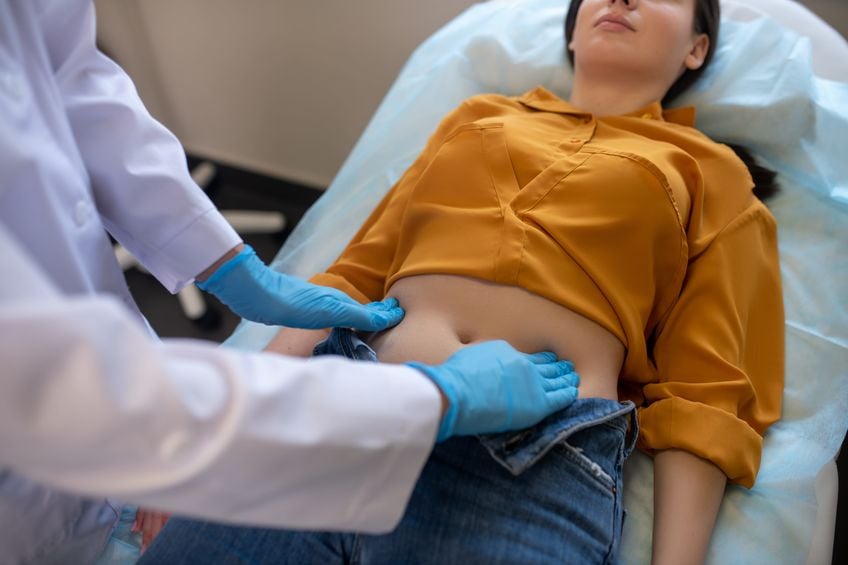
Pelvic inflammatory disease is an infection of the upper female reproductive organs, including the uterus, fallopian tubes, and ovaries. PID is often caused by untreated sexually transmitted infections (STIs) like chlamydia and gonorrhea but can also be caused by normal vaginal bacteria and medical procedures that introduce bacteria through the cervix. Symptoms of PID may include pelvic pain, abnormal discharge, fever, or irregular bleeding, although some women experience no symptoms at all. If PID is not properly treated with antibiotics, inflammation and scarring within the fallopian tubes can block the egg and sperm from joining, preventing fertilization. Approximately 1 in 8 women with a history of PID may experience infertility.
How IVF can help
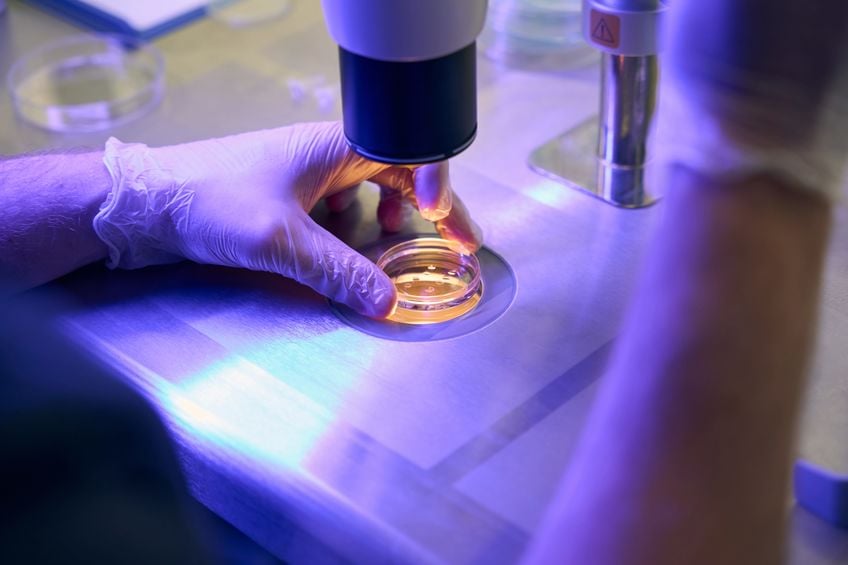
With in vitro fertilization, the fallopian tubes can be bypassed completely, allowing pregnancy to occur despite prior damage from an infection. During IVF, medication is used to stimulate the development of multiple eggs during a single cycle. Eggs are retrieved directly from the ovaries and fertilized with sperm in a laboratory. Resulting embryos are then transferred directly into the uterus, avoiding any tubal involvement. This approach is particularly beneficial for women with tubal blockage or severe scarring. IVF allows fertilization and early embryo development to occur in a controlled environment, improving the overall chances of pregnancy.
Success rates with IVF
For women with PID, IVF success rates can depend on various factors such as age, ovarian reserve, and overall reproductive health. The male partner also plays an important role, with any sperm count, motility, or morphology issues potentially decreasing the chances of success. Studies suggest that pregnancy rates can approach those of women without tubal disease when high-quality embryos are transferred. However, severe pelvic scarring or coexisting conditions may reduce implantation rates. In certain cases, removal of damaged fallopian tubes before starting IVF may be recommended. Early intervention and individualized treatment protocols can lead to higher success rates.
Hopeful path forward
A history of PID does not eliminate the possibility of achieving pregnancy. Advances in reproductive technology provide effective solutions for women facing tubal factor infertility. Early diagnosis and appropriate management can prevent further reproductive damage. IVF offers a well-established pathway to parenthood when natural conception is not possible. With proper care and guidance, many women with PID can experience successful and healthy pregnancies.