Ready For A Semen Analysis?
Approximately 30% of infertility cases are directly attributable to male-factor issues. If male infertility is suspected, a semen analysis (SA) is often the first test performed. Results provide important information about sperm count, movement, shape, and overall semen quality. Many men have questions about how to prepare for the SA to ensure the most accurate results possible. These general guidelines can help men feel informed and ready for the analysis.
Time sexual abstinence carefully
Most fertility specialists recommend that men avoid ejaculation for approximately 2-5 days before providing a semen sample. Abstinence includes both sexual intercourse and masturbation. Waiting too long or too soon after the last ejaculation can affect sperm count and movement, making results more difficult to interpret. By following the recommended timeframe, men are more likely to produce an accurate sample that best reflects current fertility potential.
Avoid unhealthy habits
Making healthy lifestyle choices supports sperm production and enhances overall reproductive health. Smoking, recreational drug use, and excessive alcohol consumption may negatively affect sperm quality and should be avoided whenever possible. Staying well hydrated and eating a balanced diet help support general health before SA testing. Exposure to excessive heat from hot tubs, saunas, or prolonged high temperatures should be limited during the days leading up to the appointment. Men should also let the fertility clinic know about any medications, supplements, recent illnesses, or fever, as these factors may influence results.
Follow collection instructions
To properly perform a semen analysis, the male patient will be asked to ejaculate into a sterile container provided by the fertility clinic or laboratory. Clean hands and proper collection techniques help prevent contamination of the sample. Collection usually occurs at the testing facility, although some laboratories allow home collection when transportation requirements can be met. The entire sample produced should be collected whenever possible, as the first portion contains a large percentage of sperm. If anything is unclear, check with the fertility clinic to clarify instructions before performing the sample collection.
Understanding results
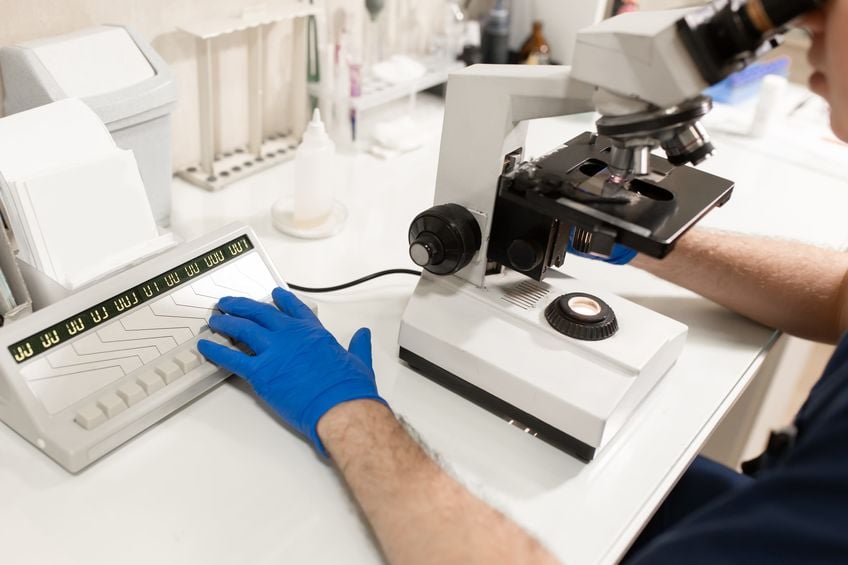
A semen analysis evaluates several important measurements, including semen volume, sperm concentration, sperm movement, and sperm shape. Abnormal findings do not automatically indicate infertility, as sperm quality naturally varies over time. However, low sperm count or low motility may indicate the need for assisted reproductive technology (ART) to achieve a pregnancy. Many fertility specialists recommend repeating the SA several weeks later if initial results fall outside the expected range. Results should always be interpreted within the context of the complete fertility evaluation, including consideration of the female partner.
Taking the next step
A semen analysis provides valuable information that helps guide fertility care for individuals and couples. Proper preparation improves test accuracy and reduces unnecessary delays during the evaluation process. Refraining from ejaculation for a set period, focusing on a healthy lifestyle, avoiding excessive heat leading up to the SA, and following clinic instructions can all help guarantee a successful collection. Accurate testing for the male partner remains an important first step toward identifying the most appropriate path to pregnancy.