Protect Your Fertility Now
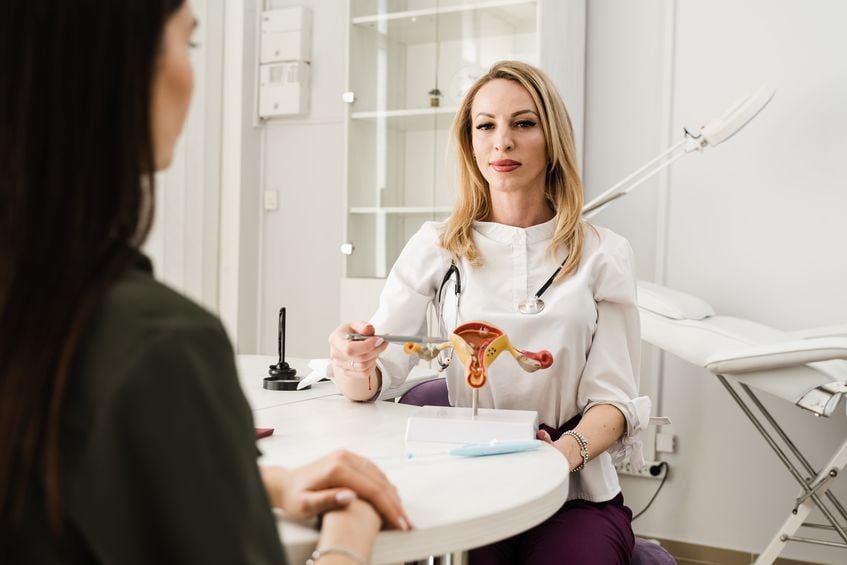
Pelvic inflammatory disease (PID) poses a serious threat to reproductive health, yet often goes undetected until complications arise. This infection, typically caused by untreated sexually transmitted infections like chlamydia or gonorrhea, triggers inflammation in the uterus, fallopian tubes, or ovaries. Without prompt treatment, PID can lead to irreversible damage, including scarring, chronic pain, and infertility.
How it starts
PID develops when bacteria spread from the vagina or cervix into the upper reproductive tract. The most common culprits are sexually transmitted infections (STIs), particularly chlamydia and gonorrhea. Other risk factors include multiple sexual partners, a history of STIs, and douching, which disrupts natural vaginal bacteria. In rare cases, certain medical procedures like IUD insertion when performed while an infection is present can lead to PID.
Subtle red flags
Many women with PID experience mild or no symptoms, allowing the infection to progress silently. When symptoms do appear, red flags may include lower abdominal pain and unusual vaginal discharge with a foul odor. Other signs include painful urination or intercourse, irregular menstrual bleeding, and fever. Because these signs can mimic other conditions, PID often remains undiagnosed until fertility complications emerge.
Fertility at risk
The inflammation caused by PID can lead to scar tissue formation in the fallopian tubes, obstructing the passage of eggs and sperm. This damage significantly increases the risk of infertility and ectopic pregnancy, a dangerous condition where an embryo implants outside the uterus. Studies indicate that 1 in 8 women with PID may struggle to conceive, with the risk rising after multiple infections.
Lower your risk
Preventing PID starts with reducing exposure to STIs. Consistent condom use, regular STI testing, and limiting sexual partners can lower the risk. Avoiding douching helps maintain the natural defenses against harmful bacteria in the vagina. Most importantly, seeking immediate medical attention for any unusual symptoms or suspected STIs can stop PID before it causes lasting harm.
When to see a doctor
PID becomes urgent with high fever over 101°F, severe lower abdominal pain, or vomiting. These signal possible abscess rupture or sepsis. Doctors will perform immediate pelvic exams, STI tests, and likely ultrasound imaging. Waiting even 24 hours with these symptoms risks life-threatening complications and permanent fertility loss.
Stop the damage
Early-stage PID can often be treated successfully with antibiotics, but existing scar tissue may remain. Severe cases may require surgery to remove blockages or abscesses. The key to preserving fertility lies in early detection and treatment. Delaying care increases the likelihood of permanent reproductive damage.
Listen to your body
Awareness and proactive care are the best defenses against PID. Regular gynecological check-ups, STI screenings, and prompt treatment of infections can prevent this silent threat from compromising fertility. Any woman experiencing potential symptoms or with risk factors should consult a healthcare provider without delay.