Pelvic Pain, Fertility Barrier
Endometriosis affects millions of women of reproductive age and often creates challenges when attempting to conceive naturally. Pelvic discomfort, heavy menstrual bleeding, and fatigue often appear for years before an official diagnosis is made. Delayed identification allows inflammation and scar tissue to gradually affect reproductive organs. Early management and targeted treatment can significantly improve the chances of natural conception.
What is endometriosis?
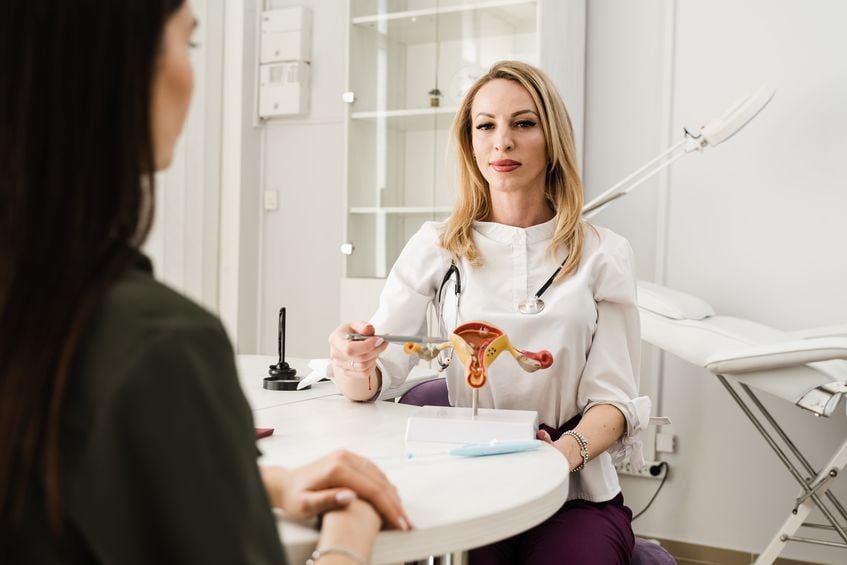
Affecting approximately 10% of reproductive-age women, endometriosis occurs when tissue that is similar to the uterine lining grows outside the uterus. Common locations include the ovaries, fallopian tubes, pelvic walls, and surrounding organs. Many women with endometriosis experience pelvic pain, painful periods, heavy bleeding, pain during intercourse, or persistent fatigue. Diagnosis often involves review of the patient’s medical history, a pelvic examination, imaging studies, and, sometimes, a minimally invasive laparoscopy for confirmation. Early identification enables earlier treatment and improved opportunities to protect fertility.
How endometriosis affects fertility
Growth of endometrial-like tissue outside the uterus triggers inflammation during each menstrual cycle, gradually damaging reproductive structures. Repeated inflammation encourages scar tissue formation and adhesions, which can limit normal movement of the ovaries and fallopian tubes. Ovarian cysts called endometriomas may reduce healthy egg reserve, while blocked or distorted fallopian tubes prevent egg pickup after ovulation. Inflammatory molecules in pelvic fluid can also interfere with sperm movement and fertilization. Research shows that untreated moderate or severe disease significantly lowers the chances of natural conception.
Medical strategies for relief
Gynecologists often recommend treatment plans for endometriosis based on symptom severity and reproductive goals. In milder cases, hormone suppression using birth control or other medications can help reduce pain and shrink endometrial tissue. Hormonal therapies may be preferred when pregnancy attempts are not immediate. In more advanced cases, or when fertility is threatened, laparoscopic surgery is considered the gold-standard procedure to remove visible endometriosis lesions and scar tissue. Surgical treatment frequently improves pelvic anatomy and restores normal organ positioning, thereby improving fertility. Careful monitoring after treatment helps determine optimal timing for natural conception attempts.
Lifestyle changes that support conception
Daily health habits can complement medical care and support reproductive function in women with endometriosis. Anti-inflammatory nutrition emphasizing sufficient intake of vegetables, fruits, whole grains, and omega-3 fats may reduce pelvic inflammation. Regular exercise helps support hormonal balance and a healthy body weight. Stress-reduction practices such as yoga, meditation, and adequate sleep may help balance hormones. Collaboration with reproductive specialists ensures lifestyle strategies align with personalized fertility plans.
Restoring hope through management
Effective management of endometriosis often transforms a difficult diagnosis into a manageable fertility challenge. Early recognition and timely treatment protect ovarian function and pelvic anatomy. Surgical care, combined with healthy lifestyle practices, frequently improves the chance of natural conception. Ongoing communication with reproductive health specialists supports informed decision-making throughout the process. Thoughtful management of endometriosis offers many individuals renewed hope for a successful pregnancy.