
From IUI To IVF With ICSI
Fertility treatment often progresses in stages, with less invasive options attempted first before more advanced procedures are considered. Intrauterine insemination (IUI) frequently serves as an early treatment for couples having trouble conceiving. IUI involves placing prepared sperm directly into the uterus around the time of ovulation to improve the chances of fertilization. Some couples achieve pregnancy quickly through this method, while others experience several unsuccessful cycles. Repeated IUI failure may prompt fertility specialists to recommend moving on to in vitro fertilization (IVF) with intracytoplasmic sperm injection (ICSI), a more advanced procedure.
Understanding the IUI basics
Intrauterine insemination attempts to increase the likelihood of fertilization by shortening the distance sperm must travel to reach an egg. A semen sample, provided by the male partner, undergoes laboratory preparation to concentrate healthy sperm before placement into the uterus. Treatment often occurs during a natural cycle or alongside the use of medications that stimulate ovulation. Success rates vary depending on age, fertility diagnosis, and sperm quality. Many specialists recommend 3-4 IUI cycles before considering alternative strategies.
When IUI may not work
Several factors can reduce the effectiveness of IUI, despite repeated attempts. Women over the age of 35 often have a lower chance of success due to declining egg quality. Conditions such as diminished ovarian reserve (DOR), endometriosis, or blocked fallopian tubes can also limit IUI success. Male-factor infertility involving low sperm count, poor movement, or abnormal shape may prevent fertilization of the egg, even when sperm reach the uterus. Complex cases of infertility often benefit most from more advanced procedures, such as in vitro fertilization.
Moving to IVF with ICSI
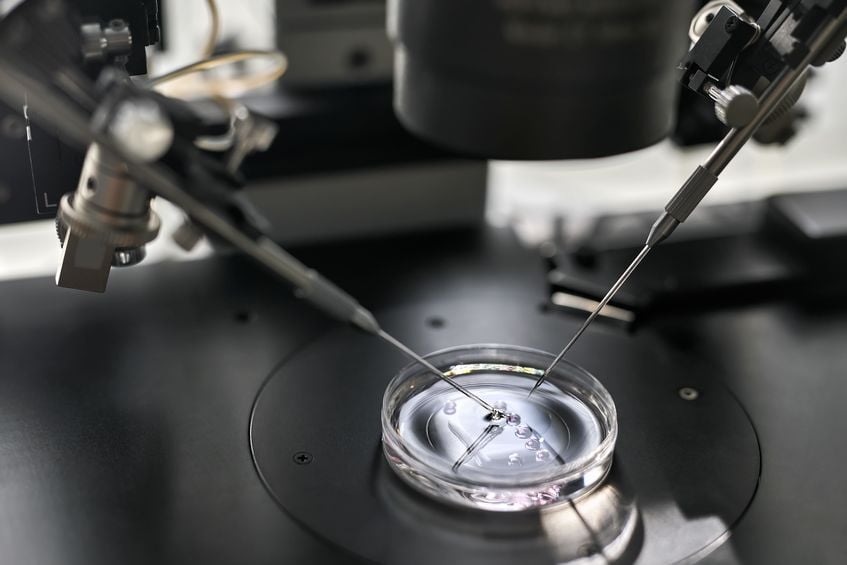
In vitro fertilization allows fertilization to occur outside the body in a controlled laboratory setting. With IVF, medications are given to stimulate the development of multiple eggs during a single cycle. Mature eggs are then retrieved from the ovaries. During standard IVF, sperm and eggs are combined in a laboratory dish, and fertilization occurs naturally. Intracytoplasmic sperm injection involves the direct injection of a single sperm into each mature egg. This approach primarily helps overcome fertilization barriers related to sperm quality or function.
Improved outcomes with ICSI
If a couple has had repetitive unsuccessful attempts using IUI or IVF, and in cases of male-factor infertility, a fertility specialist may recommend trying IVF with ICSI. By injecting a single sperm directly into the egg, ICSI bypasses several biological steps that may block fertilization. Research shows that the use of ICSI is highly successful, with about 70-80% of eggs fertilizing normally, but clinical pregnancy rates are similar to conventional IVF. Many fertility centers use ICSI routinely in IVF cycles involving previous treatment failure. This technique has helped thousands of couples become pregnant despite a diagnosis of infertility.
A new step toward success
Transitioning from IUI to IVF with ICSI often represents an important turning point in fertility care. Advanced laboratory techniques can address barriers that simpler treatments cannot overcome. With direct injection of a single sperm into the egg, pregnancy chances are increased. Close communication with fertility specialists helps couples understand treatment options and expected outcomes.