What Is Endometriosis?
Endometriosis is a disease that affects the female reproductive system. With endometriosis, tissue that resembles the endometrium grows outside of the uterus causing painful periods, discomfort during sex, and infertility. The endometrium is the lining of the uterus that forms to create a comfortable space for a fetus. Women develop and shed the endometrium during a menstrual cycle. Endometriosis is an incurable disease but medical professionals work with patients to control and minimize symptoms.

Consulting a specialist
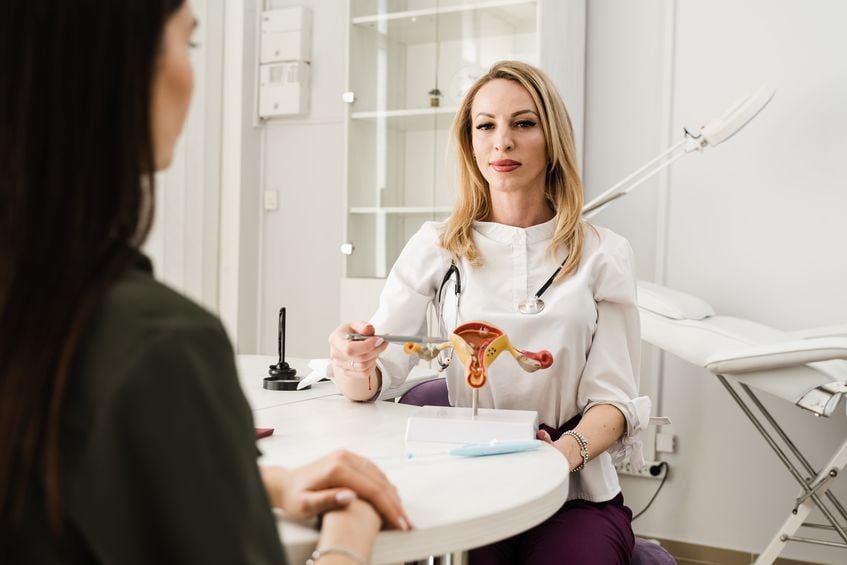
Oftentimes, patients with endometriosis struggle with fertility issues and must consult a fertility specialist. Extraneous tissue can grow in the ovaries and fallopian tubes which makes conception difficult. Some medical facilities have centers dedicated to endometriosis and staffed with reproductive endocrinologists, surgeons, nurses and doctors who are experts in the field. A reproductive endocrinologist is trained in identifying and managing fertility issues.
What should I ask my fertility specialist?
People dealing with endometriosis likely have a lot of questions about the disease. Knowing that the disease is incurable can cause feelings of fear, which is why patients should receive as much education as possible about endometriosis and relevant treatments. Consulting a fertility specialist and asking questions about endometriosis is the best way to learn about the disease. Use this list as a guide to asking the fertility specialist about endometriosis.
1. What causes endometriosis?
Endometriosis can develop from a variety of factors. For example, patients dealing with retrograde menstruation may develop endometriosis due to wayward endometrial cells flowing back into the fallopian tubes. Retrograde menstruation is not a condition many people are familiar with so only a medical professional can identify and diagnose this condition. Therefore, patients struggling with endometriosis should meet with a physician to undergo testing and examinations to find the root cause of the disease.
2. Will birth control alleviate symptoms?
Hormones like estrogen are tied to endometriosis because the female reproductive system relies heavily on estrogen hormones to function. Therefore, hormone-based birth control with estrogen and progesterone in the form of pills, vaginal rings, and other devices can be used to manage painful symptoms associated with endometriosis. Specialists may also prescribe GnRH analogues, which are synthetic hormones that regulate ovulation, which helps with endometriosis.
3. Is surgery necessary?
Surgery is a large undertaking, and patients may be concerned that surgery is the only way to manage endometriosis. Surgical intervention is diagnosed on a case-by-case basis, and doctors must evaluate the full scope of the disease before recommending surgery. Endometriosis can cause lesions and abnormal growths that interfere with the functions of the reproductive organs and must be removed. Before suggesting surgery, doctors will medically examine patients and use imaging tests to see the uterus and locate any unusual growths. Surgery may not be necessary for all patients, but surgical intervention is a treatment option.
Recognizing symptoms
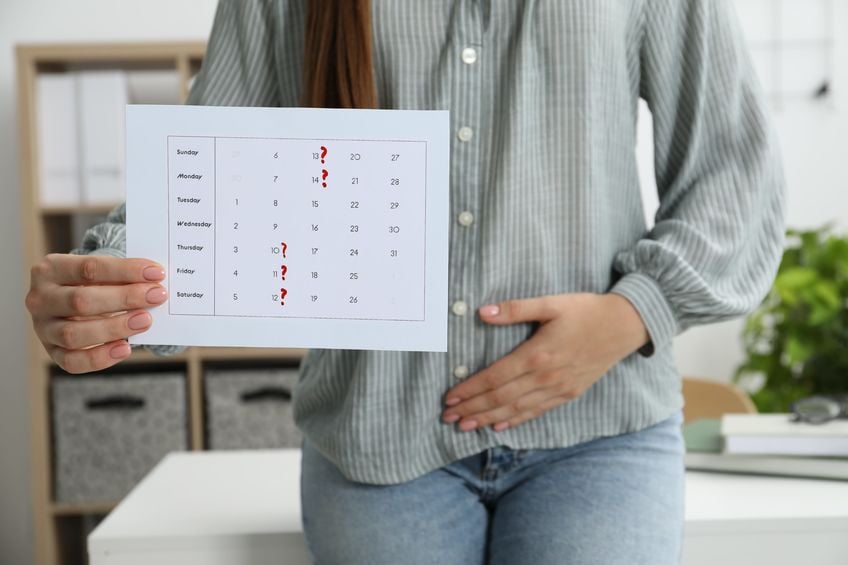
Women who suspect endometriosis should pay attention to the occurrence of certain symptoms. Heavy menstrual bleeding, chronic pelvic pain, bloating, nausea, fatigue, bowel issues, and shortness of breath are all signs of endometriosis. Patients should speak with a physician. The physician can evaluate the patient and refer the person to a specialist like a reproductive endocrinologist for an extensive examination.