
Caring Through The Wait
The days after an in vitro fertilization (IVF) embryo transfer can feel like time slows down. Each moment brings questions, hopes, and a quiet wish for everything to go right. While there is no way to guarantee an outcome, certain habits may help the body feel supported, balanced, and ready. Focusing on care instead of control can make the wait feel a little more manageable.
What happens in the body
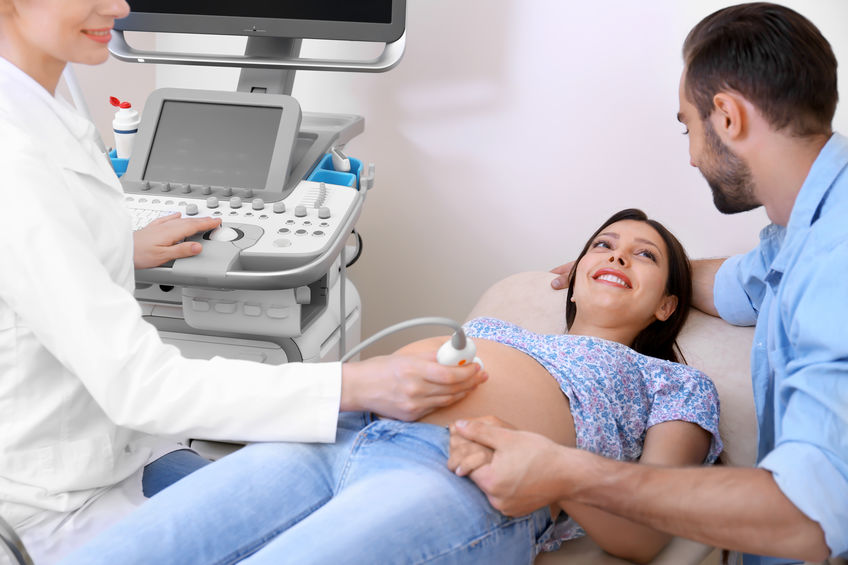
In the days following an embryo transfer, the body enters a delicate phase. If implantation is successful, the embryo will begin attaching to the uterine lining within a few days. Hormonal shifts continue to support the endometrium, creating a welcoming environment for growth. Even when there are no obvious signs or symptoms, the body may still be doing important work behind the scenes.
1. Rest with purpose
Recovery does not mean bed rest, but it does mean slowing down. Short walks, deep breathing, and gentle movement can help ease tension and support blood flow. The body works hard during this time. Giving the body a calmer rhythm can help bring a steadier mindset, too. Each slow, intentional movement becomes part of the healing process.
2. Nourish from within
Whole foods offer more than fuel. These foods help build and repair. Protein supports tissue health, leafy greens and berries fight inflammation, and hydration keeps things moving. Every snack or meal is a chance to give the body what is needed most, including balance, strength, and steady support.
3. Make space for calm
Worry may creep in, but calm can be invited in, too. Small daily habits like journaling, getting sunlight, or listening to music can bring a sense of ease. A settled mind helps create a more peaceful environment inside and out. Even brief moments of quiet can help the body feel more steady and supported.
What to avoid in the waiting period
Just as some habits help, others may interfere. Heavy exercise, skipped medications, or excess caffeine can disrupt the natural rhythm in the body. Constant symptom-checking or late-night internet scrolling may add unnecessary worry. Staying consistent, grounded, and gently present is often the most helpful approach.
Support from others
A little encouragement from others can go a long way. A prepared meal, a ride to an appointment, or simply someone checking in can help ease the weight of the waiting. Kind gestures and quiet support can create a more peaceful space for both body and mind to settle. Even the smallest show of care can help shift the day toward calm.
Build the best foundation
The days after a transfer may feel fragile, but gentle care can make all the difference. With steady habits and mindful choices, the body is better prepared to do what is needed to be done. Sometimes, the smallest actions offer the greatest support. Each moment of care sends a quiet message of trust and hope.