Know Your Fertility Options
Egg freezing is a deeply personal choice, often made with many factors in mind. For some women, the choice comes down to timing. For other individuals, the decision is about preserving a chance at pregnancy before health changes make conception more challenging. Every situation is unique, but understanding the role of age and common conditions such as endometriosis or ovarian cysts can help clarify whether egg freezing is an appropriate option.

Why age matters
Egg quality and quantity decline gradually with age. By the mid-30s, that egg decline becomes more noticeable, and by the early 40s, fewer eggs are likely to be viable. Egg freezing does not pause aging, but allows for the option to preserve eggs at a younger stage. For individuals not ready to start a family now but who want the possibility later, this can offer peace of mind.
Fertility and inflammatory conditions
Endometriosis can affect fertility by damaging the ovaries or creating inflammation that makes conception more difficult. Freezing eggs before symptoms worsen or before undergoing surgery can help preserve reproductive potential. For many women with endometriosis, egg freezing provides a sense of control and preparation, especially when the future feels uncertain.
Managing reproductive risks
Ovarian cysts are common and often harmless, but some types can affect the ovaries over time. Surgery to remove ovarian cysts may also impact egg reserve. Egg freezing before any major intervention allows for the preservation of fertility should treatment reduce the number of eggs available. Egg freezing is a proactive step for individuals managing recurring or complex cysts.
Family history and fertility awareness
Some individuals pursue egg freezing after learning about early menopause, diminished ovarian reserve (DOR), or a family history of fertility issues. While not predictive, having a relative with infertility can be a helpful signal to get hormone testing or consider options earlier. In these cases, egg freezing is a way to stay ahead of potential challenges.
Chronic illness and hormonal impact
Autoimmune diseases like lupus or rheumatoid arthritis (RA) can sometimes interfere with hormone production or impact ovarian function. Medications used to manage these conditions may also affect fertility over time. Egg freezing before symptoms escalate or treatment plans shift can help preserve future possibilities while managing long-term health.
Lifestyle and life planning
Some women turn to egg freezing not because of a diagnosis, but because of certain life circumstances. Long work hours, international travel, or uncertainty around relationships can all influence family planning timelines. Egg freezing offers a way to create space for the future without rushing into life-altering decisions in the present.
Talk to a fertility specialist
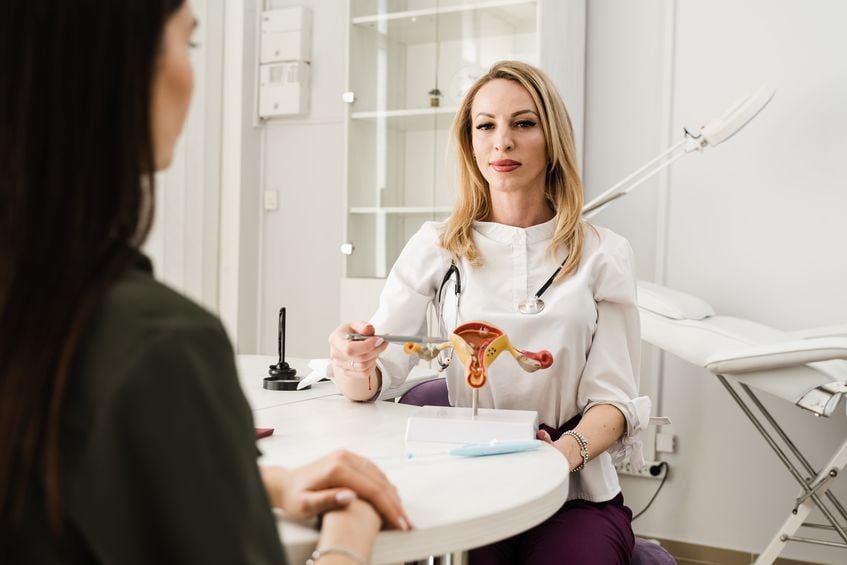
Every woman is different. A consultation can provide insight into hormone levels, egg reserve, and whether egg freezing fits into current health plans or future goals. Asking questions early can also reduce confusion and bring more peace of mind during the decision-making process. Getting information early can help support better decision-making, whether egg freezing becomes part of the path to pregnancy or not.
A future you can shape
Egg freezing is not a solution for everyone. However, for individuals navigating age-related changes, endometriosis, or ovarian cysts, egg freezing may offer a way to preserve future fertility options. With the right support and information, this choice becomes less about pressure and more about preparation.