FSH: Fertility Starts Here
High follicle-stimulating hormone (FSH) levels often indicate reduced ovarian function, which can affect fertility. FSH helps stimulate egg production in the ovaries, but high levels signal that the body is working harder to produce mature eggs. Elevated FSH levels may make conception more difficult, but a successful pregnancy is still possible with appropriate treatment and individualized care. In many cases in vitro fertilization (IVF) is the best path forward.

Day 3 evaluation
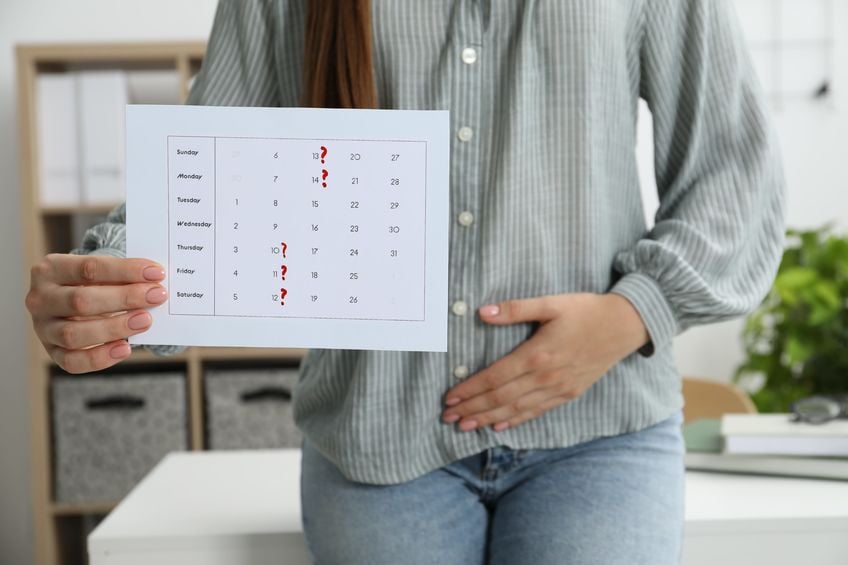
Follicle-stimulating hormone levels are typically measured with a blood test taken on day 3 of the menstrual cycle. Most fertility clinics consider levels above 10mIU/mL to be high, although exact thresholds vary. This test helps specialists evaluate ovarian reserve, the number and quality of eggs remaining in the ovaries. A high FSH result does not guarantee infertility but provides important insight into how the ovaries might respond to stimulation during IVF. Regular monitoring helps guide treatment planning and medication selection.
The connection with egg quality
Elevated FSH levels are commonly associated with diminished ovarian reserve, a condition where both the quality and quantity of eggs in the ovaries are reduced. Eggs produced under these conditions may have a lower chance of fertilization and embryo development. As ovarian reserve decreases, cycle outcomes can become less predictable. However, many women with high FSH still produce viable eggs capable of creating healthy embryos when the right approach is used.
IVF outcomes with high FSH
Women with high FSH levels often require higher doses of fertility medication to stimulate egg growth during IVF. The number of eggs retrieved may be lower, and the likelihood of reaching the blastocyst stage may be lower than in women with normal FSH levels. Despite these challenges, advances in IVF protocols, preimplantation genetic testing (PGT), and lab techniques continue to improve success rates. Some women may also benefit from natural or minimal-stimulation IVF cycles, which focus on egg quality over quantity. Success rates can vary, but a recent study found that the clinical pregnancy rate was around 19.5% among women with high FSH using IVF to get pregnant.
Treatment options that support success
Fertility specialists may recommend tailored fertility medication plans or supplements aimed at improving ovarian response. Lifestyle adjustments that support hormonal balance, such as maintaining a healthy body mass index (BMI), managing stress, and optimizing nutrition, can also help. For women with persistently high FSH levels or repeated unsuccessful cycles, donor eggs remain a highly effective option. This path allows many women to experience pregnancy and childbirth even when personal ovarian function has declined.
Moving forward with clarity and confidence
A high FSH level can feel discouraging, but the result represents just a single piece of the fertility puzzle. Many factors influence IVF outcomes, including age, ovarian health, and overall medical history. Through close collaboration with a reproductive endocrinologist (RE) and the use of IVF, conception is possible. Modern fertility medicine continues to offer new hope and successful outcomes, even in the presence of elevated FSH levels.