
How You Freeze Eggs Matters
Fertility preservation was once a challenging, near-inaccessible process. Now, thanks to innovations in techniques and technologies, individuals and couples can plan parenthood with more confidence. At the center of fertility preservation lies cryopreservation, a process of freezing eggs, sperm, or embryos at extremely low temperatures. This strategy preserves the reproductive potential of the material while slowing down biological aging. As a result, younger eggs and embryos can be used several years later while maintaining viability. The effectiveness of cryopreservation depends on the methods used and careful handling in specialized laboratories. Choosing the right cryopreservation method can mean eggs and embryos not only last for years but also lead to more successful pregnancies when finally used.
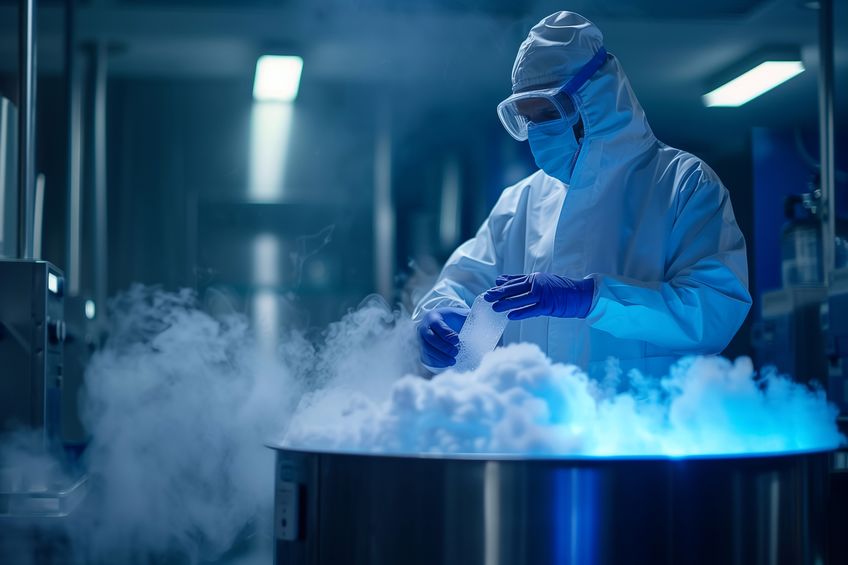
Understanding cryopreservation
Cryopreservation involves cooling biological material to subzero temperatures, effectively halting cellular activity. Egg, sperm, or embryos are frozen in liquid nitrogen at temperatures as low as -321°F. In fertility treatments like in vitro fertilization (IVF), cryopreservation is a critical part. As multiple cycles of IVF are often required to achieve success, cryopreservation stores unused embryos. Over time, cryopreservation uses evolved. Individuals now rely on the technique to preserve fertility before medical treatments, aging-related decline, or personal circumstances make conception more difficult. For cryopreservation to be effective, however, the right method is necessary to protect delicate reproductive cells from damage.
Slow freezing vs vitrification for cryopreservation
Cryopreservation was first performed using a slow freezing method. This process exposes the reproductive cells to antifreeze chemicals, then cooled over several hours. At the appropriate time and temperature, the cells are finally frozen with liquid nitrogen. While effective, this process ran the risk of producing damaging ice crystals inside cells. Vitrification is now used as the most reliable modern method of cryopreservation. This is a rapid form of freezing. Cells are exposed to high concentrations of cryoprotectants and then frozen quickly in liquid nitrogen. Special cryoprotectant solutions draw water out of cells before freezing, minimizing structural damage. Vitrification is now considered the gold standard for minimizing damage, reducing risk, and ensuring long-term viability of reproductive cells.
Handling with care
While vitrification is an effective method of cryopreservation, success still depends on advanced laboratory technology and specialized expertise. Fertility clinics use state-of-the-art equipment to control temperature, timing, and chemical exposure with precision. Once properly frozen, especially using vitrification, eggs and embryos can last multiple years, with most being viable indefinitely. When the time comes to use frozen eggs or embryos, the fertility team will gradually warm the cells to reverse vitrification. While there is still a risk that some eggs or embryos may not survive thawing, proper vitrification can help mitigate this. The team will assess the health of each thawed embryo or egg, which helps increase IVF success rates. Studies show most patients go on to have healthy pregnancies with cryopreserved eggs or embryos.
Protecting your future fertility
Cryopreservation is considered the ideal option for planning future parenthood. The process can preserve eggs and embryos at a biological peak, increasing future success rates. This option is ideal for those who want to gain greater control over reproduction. The goal, therefore, is to ensure the embryos or eggs remain viable for as long as possible. Vitrification is the best option, so work with teams who have invested in optimizing this technology. Modern vitrification methods focus on survivability with contingencies in place to reduce the risk of damage or failure. Long-term fertility preservation is more viable and reliable than ever before.