
The Link Between Fertility And Overall Health
Infertility can be a touchy topic for many people as the condition is often viewed with shame by individuals with the diagnosis. While more common than the average person thinks, the reality is that a variety of underlying health concerns can contribute to delayed conception. Sometimes the root cause can be a formal medical condition. In other scenarios, a person’s lifestyle or behavioral choices can also lead to longer conception timelines. Learning how other health conditions can impact fertility can help women and couples better understand conception and create viable action plans to address the issues.
Polycystic ovarian syndrome
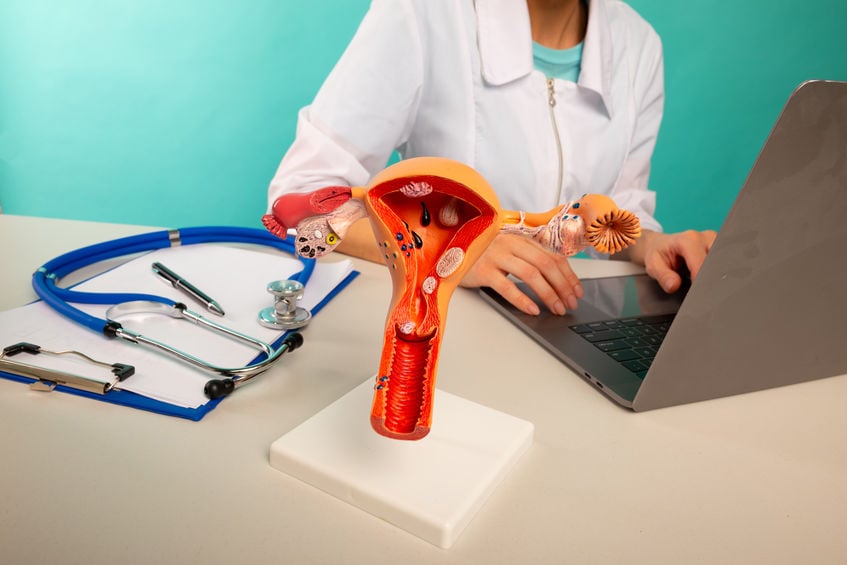
One of the most common conditions in women that directly impacts conception is polycystic ovarian syndrome (PCOS). The hormonal diagnosis can interrupt menstruation, leading to either irregular or no periods. As a result, tracking ovulation which is a critical step in conception becomes significantly harder. Sometimes medications can help a woman manage PCOS, regulate periods, and make natural conception possible. Alternatively, assisted reproductive technologies (ART) like in vitro fertilization (IVF) are the primary ways to have a child.
Physical issues
Physical damage in the reproductive system is another common reason for infertility or delayed conception. Specific to women, blockages or scarring in the fallopian tubes can create literal hurdles that cause the egg to not properly release from the ovaries towards the uterus, or for the sperm to find the egg. In men, blocked urethral tubes or physical damage to the scrotum can cause problems with sperm and semen which can also cause male infertility.
Poor egg quality
One of the first factors a fertility specialist will consider for a woman who can’t conceive is egg quality. The most common issues are related to age, lifestyle, and even underlying health conditions. A woman may have ovarian reserve tested to determine the number of viable eggs. Sometimes IVF can be a solution thanks to the ovarian stimulation stage which helps to boost egg production ahead of ovulation.
Low testosterone
Infertility isn’t just a woman’s problem. Men also contribute to delayed conception with research proving that a third of all infertility cases in the US are linked solely to male related issues. Similar to how women’s hormones directly influence menstruation and ovulation, low testosterone or hypogonadism can decrease sperm count, reduce motility and manifest in observable ways like low libido or erectile dysfunction.
Lifestyle choices
Factors like weight, stress, and even consumption choices can all influence fertility in both men and women. Being underweight or overweight can delay conception, with women often experiencing missed or irregular periods. Similarly, research has shown that stress can impact hormone levels like cortisol and delay the process. Additionally, consuming drugs, or overindulging in alcohol can also be issues.
Speak to an expert
Experiencing delays while trying to conceive can be heart breaking and frustrating. However, sometimes making simple lifestyle changes can be enough for some people to yield results. If at home solutions don’t work, consider speaking with a fertility specialist for an exam and to determine the best options to start or grow a family.