When Pain Has A Hidden Cause
Endometriosis often hides behind symptoms that are brushed off as normal, including cramps that stop plans, fatigue that will not go away, or pain that seems impossible to explain. Endometriosis occurs when tissue similar to the uterine lining starts growing outside the uterus on the ovaries, tubes, or pelvic walls. Each month, that tissue reacts to hormones, creating inflammation and scar tissue over time. For many, the first clue comes when trying to get pregnant takes longer than expected.

When scar tissue gets in the way
Endometriosis can cause tissue to build up between organs, twisting or sealing the fallopian tubes. When that pathway is blocked, the egg and sperm cannot meet easily. Tubal blockage is among the most common causes of fertility problems related to endometriosis and can often be treated once identified. Laparoscopic surgery can remove the scar tissue, or in vitro fertilization (IVF) can bypass the tubes completely.
Calming an overactive response
Inflammation is one of the biggest roadblocks when dealing with endometriosis. Inflammation changes how eggs mature and how sperm move, and makes the uterus less receptive to an embryo. That constant irritation can make the environment less friendly to conception. Anti-inflammatory foods, medications, and hormone therapy can calm that response and improve fertility.
How irregular cycles affect fertility
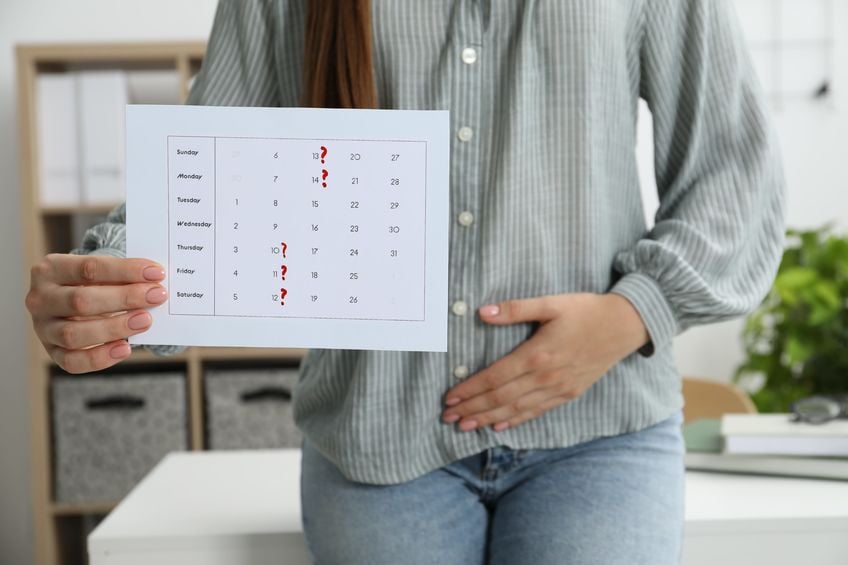
Endometriosis often goes hand in hand with hormonal imbalance, including too much estrogen, not enough progesterone, or cycles that vary month to month. These changes can make ovulation unpredictable or shorten the time an embryo has to implant. Cycle tracking and hormone testing can show what is going on. When needed, medications can support ovulation and bring hormone levels back into balance.
Caring for the ovaries under strain
Endometriomas, often called chocolate cysts, form when endometrial tissue grows inside the ovaries. These cysts can damage healthy tissue, limit the number of eggs available, and sometimes interfere with IVF retrieval. A specialist can use ultrasound to monitor cysts and decide if surgical removal would improve egg quality or comfort.
How immunity affects implantation
Endometriosis may also affect the immune system, making it harder for an embryo to implant and grow. At the same time, researchers are still learning why, chronic inflammation is known to play a role. Supporting the immune system through optimal sleep, regular movement, and stress management helps the body stay balanced, while other treatments support the immune system.
Managing risks without losing hope
Pregnancy is possible with endometriosis, and it often goes smoothly. Still, there is a slightly higher risk of preterm birth, placenta previa, or cesarean delivery. Hormonal changes during pregnancy sometimes cause symptoms, but not always. The best approach is early prenatal care, open communication, and a provider who understands the condition. Every pregnancy is different, but close monitoring can make a major difference.
Taking back control
Dealing with endometriosis can feel unpredictable, but fertility improves most when there is a clear plan. That might mean removing scar tissue, managing inflammation, or turning to fertility treatments like intrauterine insemination (IUI) or IVF sooner rather than later. Alongside medical steps, everyday habits matter too. Good nutrition, movement, and rest all help the body regulate hormones and reduce stress, leading to a healthy pregnancy.