Does PCOS Influence Fertility?
Polycystic ovary syndrome (PCOS) is a condition that women experience as a result of hormonal imbalances. Typically, the diagnosis manifests as metabolic and menstrual issues. Most notably, women with PCOS often experience a variety of symptoms such as weight gain and excessive hair growth in unwanted places, while hair on the scalp may begin to thin. Currently, there is no cure but some people are able to keep the condition well-managed through medications and regular medical visits. Still, for women trying to conceive, understanding how PCOS can impact fertility, as well as whether solutions are available to help build or grow a family, can be helpful.
Causing irregular periods
One of the hallmark symptoms of PCOS is when a woman consistently experiences irregular periods. Fluctuations can happen for any individual, as most menstrual cycles aren’t a rigid 28-day timeline. Instead, experts agree that cycles can range from 21-35 days and still be considered normal or standard length, with actual menstruation or bleeding ranging from 3-7 days. Yet, for women with PCOS, the periods are significantly less frequent. In more severe cases, a woman might have fewer than 8 periods in a 12-month timespan. Likewise, those periods that do happen might last longer than 7 days or occur more frequently than every 21-35 days.
Inconsistent ovulation
A side effect of having irregular periods is that a woman will struggle to track ovulation accurately. The critical event usually occurs around the midpoint of the menstrual cycle, when an egg is released from the ovaries. Ideally, a woman who’s trying to conceive should be tracking ovulation to accurately time intercourse and increase the chances of getting pregnant. However, with PCOS, the inconsistent periods mean timing intercourse with ovulation is going to be difficult, which can delay pregnancy goals.
Hope exists
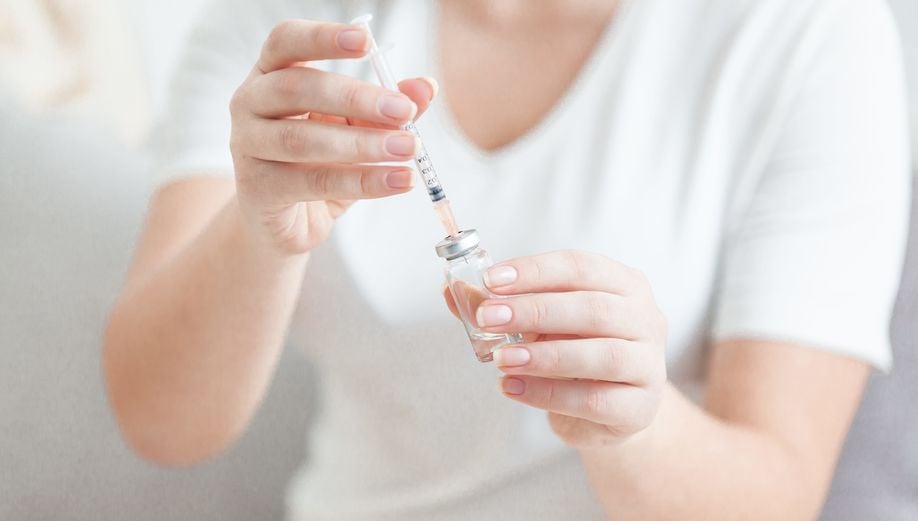
Even though PCOS can make natural conception with no interventions a lot harder, women with the diagnosis can still get pregnant, whether naturally or through fertility treatments. The primary focus will be on better regulating the menstrual cycle to ensure that either fertility specialists or the patient can accurately track ovulation. To achieve this goal, some people might be prescribed hormone supplements to help establish a baseline and ideally lead to ovulation induction. Likewise, multiple fertility solutions exist if natural conception doesn’t happen.
IVF and IUI
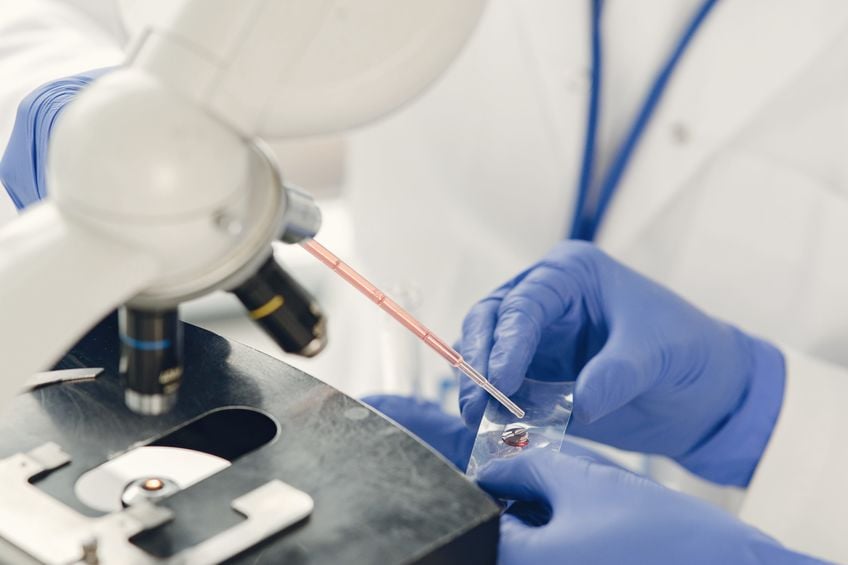
Unpredictable periods and inconsistent ovulation are common issues women with PCOS face. As a result, natural conception can be harder to achieve and many individuals are encouraged to consider fertility treatments if having children is a goal. The two most common options include in vitro fertilization (IVF) and intrauterine insemination (IUI). IVF is when an embryo is formed outside of the body and then transferred to the uterus. With IUI, sperm is inserted directly into a woman’s uterus during ovulation.
Conception is possible
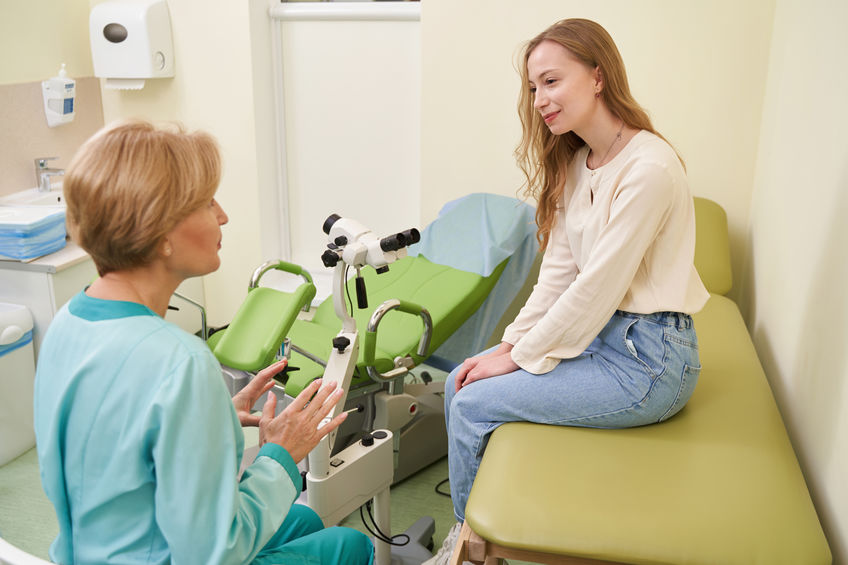
Depending on individual patient profiles, some people might be better suited to one treatment method than the alternative. Individuals with PCOS who want to start a family but might be struggling so far shouldn’t give up hope. Schedule an appointment to speak with a fertility specialist to discover the best options.