Do IVF Meds Need Tuning?
In vitro fertilization (IVF) success depends heavily on precise ovarian stimulation. A primary goal is to develop as many eggs as possible while avoiding dangerous overstimulation or inadequate responses. To achieve these objectives, precise fertility drugs play a critical role in the IVF process. This delicate balance requires constant monitoring and medication adjustments throughout the cycle. Fertility teams and specialists can fine-tune drug dosage based on a woman’s individual response. This can feel confusing or overwhelming for women, but these adjustments can be a difference-maker in an IVF cycle. Learning how and why fertility drug dosages are optimized helps IVF patients appreciate and understand the attention to detail.
Fertility drug doses catered to you
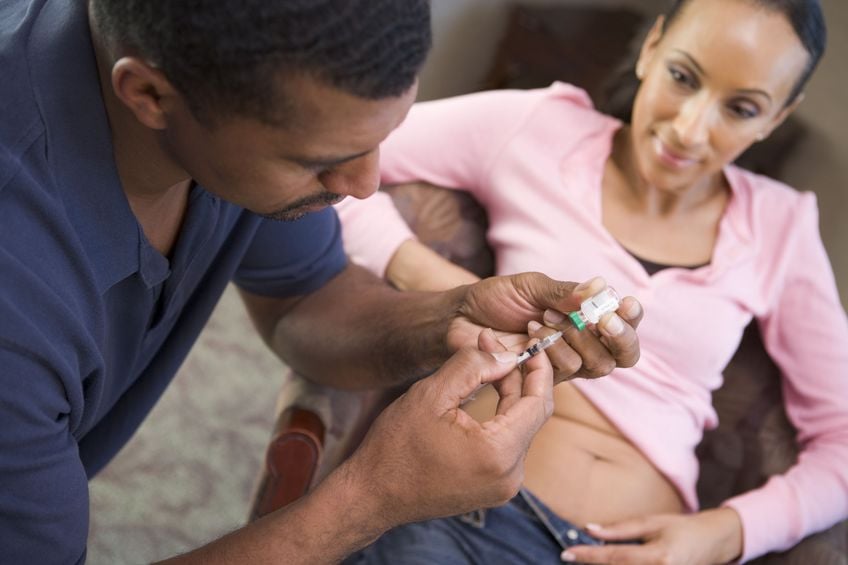
The initial stimulation protocol considers multiple factors to create a baseline risk and response profile. Age is a major factor, as younger women typically begin with lower doses while women over 35 often need higher starting medications. Ovarian reserve also determines how fertility drug doses are used. Women with higher reserves may need lower starting doses, while those with diminished ovarian reserve may need higher initial doses. Other factors like body weight, polycystic ovarian syndrome (PCOS), and past success guide the initial doses. Doctors carefully choose these protocols to avoid hyperstimulation, which carries severe risks. There is also a long or short approach to consider. Doctors will use gonadotropin-releasing hormone (GnRH) antagonist versus agonist protocols. Shorter or longer IVF protocols will determine fertility drug dosage dynamics.
What drives your medication adjustments?
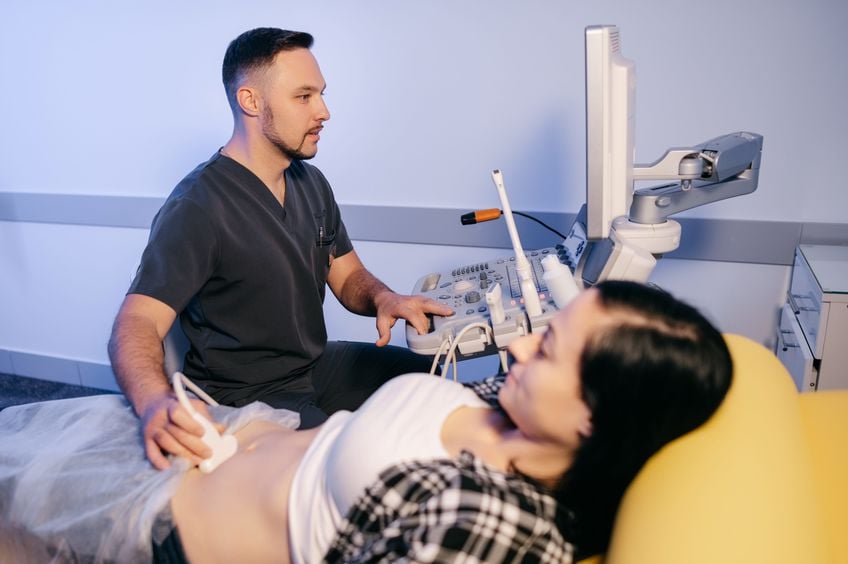
With these different factors in mind, doctors will prepare an initial fertility drug dose that will provide the best ovarian stimulation results. That does not mean that the medication cannot be adjusted. With IVF, information is vital to success. Consistent IVF monitoring involves frequent ultrasounds and bloodwork to track the patient's response. Transvaginal ultrasounds measure follicle development while blood tests check estradiol levels to ensure follicle growth is on track. Monitoring begins a few days after the patient takes the hormone medication. The fertility team will assess factors such as follicle count and size, as well as hormone levels. Monitoring continues every 1-3 days until the trigger shot, which prepares for harvesting. The data helps fertility clinics determine if the current medication is producing results or needs adjustment.
When and why doses increase
If monitoring reveals an inadequate response, doctors may increase gonadotropin doses. This stimulates the ovaries more aggressively, recruiting additional follicles and accelerating growth. This decision is made early in the ovarian stimulation timeline, when there is still time to affect the outcome. The increase is often subtle and carefully done, producing the expected changes in follicle development. Beyond certain thresholds, however, more medication does not mean more follicles and could even increase side effects. Experienced reproductive endocrinologists often manage this process. These specialists know how much to increase each dose, when to increase, and when to accept that more medication will not improve results.
When and why do doses decrease?
Some women respond vigorously to initial doses, developing excessive follicles or showing rapidly rising hormones. The fertility clinic may reduce medication doses to prevent ovarian hyperstimulation syndrome (OHSS), a potentially dangerous complication. Carefully adjusting fertility dosages in this scenario may mean reducing gonadotropin doses or stopping entirely for a day, which allows follicle development to slow. If some follicles are developing faster than others, reducing medication may allow smaller follicles to catch up. This improves the number of mature eggs at retrieval and IVF success in the long run. Decreasing doses are all about fine-tuning until the required follicles develop within the expected timeframe.
Switching up mid-cycle
Beyond dose adjustments, adjustments may mean an entirely mid-cycle shift in protocol. Some women start ovulating prematurely despite medications preventing this. The fertility team may decide to change to antagonist medication to prevent premature ovulation. If follicle development is abnormal, changing fertility medication type and dosage may help. Some patients may need additional supplements or therapies to improve egg quality. IVF is a dynamic process, with fertility specialists making changes based on individual needs and consistent feedback.
Trust the medication adjustment process
The frequent monitoring and medication adjustments can feel overwhelming. This is essential because IVF is a delicate process. Each decision is driven by data and the patient's response to medication. Using this information along with the experience of helping hundreds or even thousands of women, fertility specialists guide adjustments. Optimizing the cycle may mean increasing or decreasing fertility medication. Sometimes, changing the protocol altogether is best. Whatever the decision, doctors will communicate these changes quickly and clearly. Whether increasing, decreasing, or changing entirely, success depends on the patient's cooperation and medication adherence. IVF medication management is an art and science. Constant evaluation ensures patients get personalized care and a higher chance of success.