A Precise Solution For Male Infertility
When sperm movement is limited, conception can be more difficult to achieve naturally. Poor motility, known medically as asthenozoospermia, affects the sperm’s ability to swim efficiently toward the egg. This condition is a common cause of male infertility, but advanced reproductive techniques now make pregnancy possible for many couples facing this challenge. Intracytoplasmic sperm injection (ICSI), a procedure that allows fertilization to occur even when sperm movement is impaired, is an effective solution for men with poor motility.

Understanding sperm motility issues
Healthy sperm must travel through the female reproductive tract and penetrate the egg for fertilization to occur. When sperm motility is poor, this process is less likely to happen, even if sperm count and shape are normal. Factors such as genetics, hormonal imbalances, lifestyle choices, or environmental exposures can all contribute to reduced motility. A semen analysis measures how many sperm are moving and how effectively the sperm can swim, helping fertility specialists determine whether ICSI may improve the chances of success.
How ICSI works
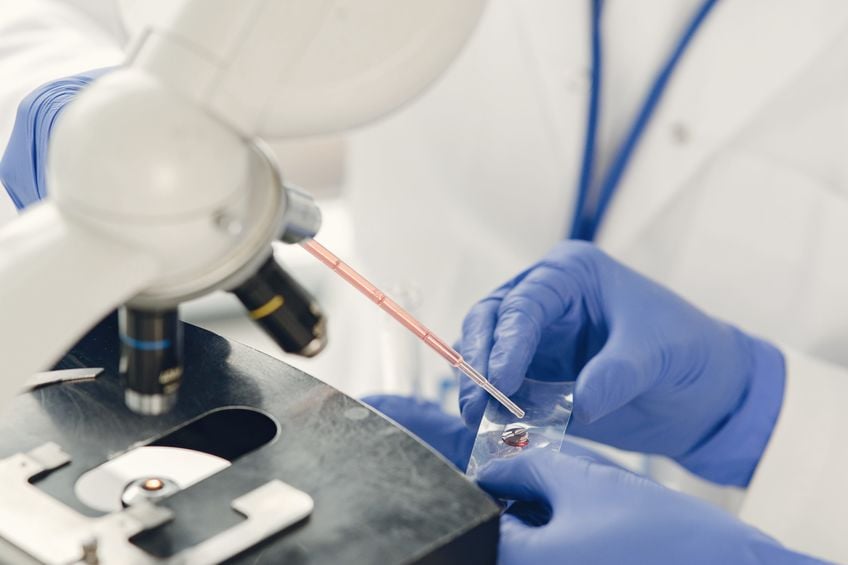
Intracytoplasmic sperm injection is performed as part of an in vitro fertilization (IVF) cycle. During the procedure, a single healthy sperm is carefully selected and injected directly into a mature egg using a microscopic needle. This precise method is ideal for cases of poor motility, since the sperm does not need to swim or penetrate the egg. Once fertilization occurs, the resulting embryos are monitored for several days before being transferred into the uterus.
Benefits of ICSI for poor motility
The use of ICSI offers several clear advantages for couples dealing with male-factor infertility. The procedure ensures that only a small number of healthy sperm are required for fertilization. ICSI also increases the overall fertilization success rate compared to standard IVF for this specific diagnosis. Since fertilization occurs under direct observation, embryologists can confirm egg and sperm interaction in real time, leading to a more predictable outcome.
Other considerations
Before recommending ICSI, fertility specialists should conduct a comprehensive evaluation of both partners. A detailed medical history should be taken and a physical exam performed. In addition to a semen analysis, some men can also benefit from hormone testing. Addressing lifestyle factors such as smoking, excessive alcohol use, lack of exercise, or high heat exposure can sometimes improve sperm motility naturally. Supplements that support sperm health, such as L-carnitine, coenzyme Q10 (CoQ10) or zinc, may also be advised.
Precision meets possibility
For couples facing infertility related to poor sperm motility, ICSI represents an effective and reliable treatment option. By combining advanced laboratory techniques with expert embryology, this method transforms limited sperm movement into real potential for fertilization and pregnancy. Through careful planning and precision, ICSI continues to bring hope to many families once limited by male-factor infertility. With just a single sperm, pregnancy is possible.