When Blocked Pathways Halt Conception
Fallopian tubes play a central role in natural conception by allowing egg and sperm contact and early embryo transport toward the uterus. Structural or functional problems within the tubes may prevent fertilization or early embryo movement. Many individuals with infertility receive evaluation for possible tubal damage during early fertility testing. Imaging studies, medical history, and prior infection history often provide important clues. Identification of significant tubal disease often leads fertility specialists to recommend advanced reproductive technology (ART) to achieve pregnancy.

Common fallopian tube problems
Several medical conditions may damage delicate tubal structures and interfere with normal reproductive function. Prior pelvic infections, such as pelvic inflammatory disease (PID), can create scar tissue that blocks egg movement. Endometriosis may cause inflammation, adhesions, and distorted anatomy surrounding reproductive organs. Previous abdominal or pelvic surgery can sometimes result in adhesions that restrict normal tubal mobility. Congenital abnormalities present at birth occasionally alter the tube structure or connection with the uterus.
Making the diagnosis
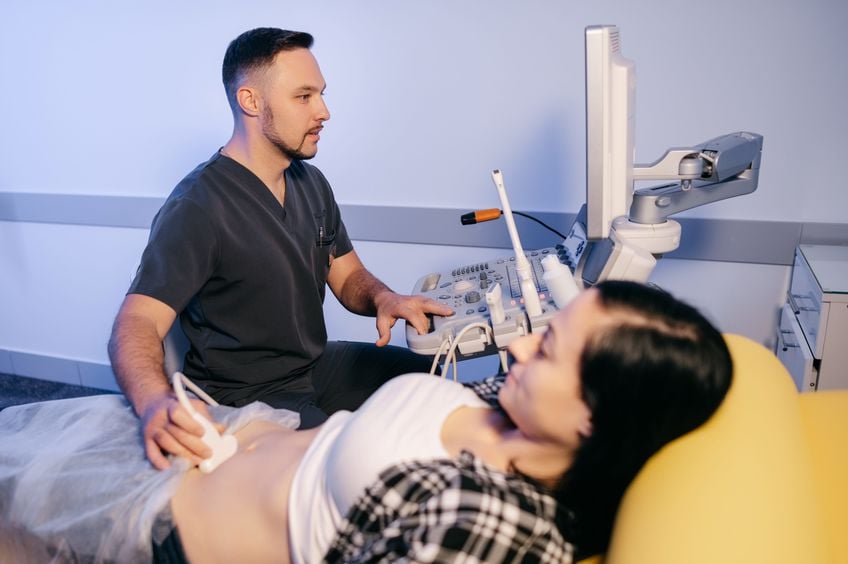
Fertility testing often reveals tubal abnormalities before noticeable symptoms develop. Hysterosalpingography (HSG) is a commonly performed imaging test that uses a contrast dye and x-ray to visualize the tubes. An HSG test can identify blocked or narrowed fallopian tubes. Some women report becoming pregnant after an HSG, as the dye used helps to flush out the tubes, but the main purpose of the test is diagnostic. Ultrasound imaging can sometimes reveal swollen, fluid-filled tubes, a condition known as hydrosalpinx. A medical provider will order the appropriate test after collecting a thorough medical history.
When natural conception becomes unlikely
Severe structural damage frequently prevents normal fertilization even with careful cycle timing and predictable ovulation. If both tubes are completely blocked, the egg and sperm cannot meet. If only 1 tube is blocked, natural pregnancy is slightly less likely, but fertilization can still occur. If a woman has hydrosalpinx, fluid may leak into the uterus and reduce embryo implantation success. Extensive scar tissue may also restrict egg pickup by the tube following ovulation. Clinical guidelines often recommend ART when severe tubal disease is found.
The role of IVF
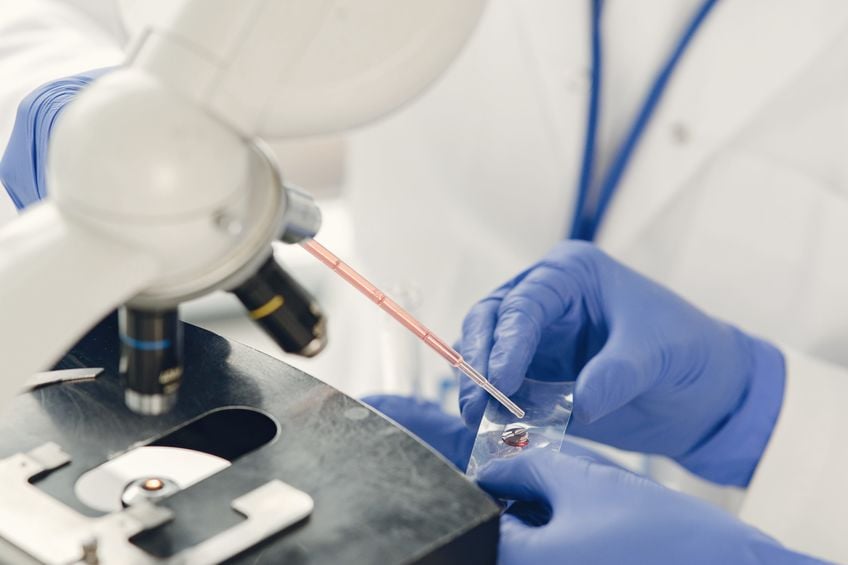
For women with tubal problems, in vitro fertilization (IVF) is often the best choice. IVF bypasses damaged tubes by combining egg and sperm outside the body within a laboratory setting. Fertilized embryos develop for several days before being transferred directly into the uterus. Blocked tubes can often be left alone, but many fertility centers recommend surgical removal or sealing of hydrosalpinx before IVF to improve implantation outcomes. Research studies demonstrate strong pregnancy success rates with IVF for infertility related to tubal disease.
The best path forward
An accurate diagnosis allows fertility specialists to recommend the most effective treatment strategy. Tubal imaging, infection history, surgical records, and infertility duration all contribute important information. Mild damage sometimes responds to surgical repair, although success rates vary widely. Severe blockage or hydrosalpinx often leads specialists to recommend IVF as the most reliable option. Careful evaluation and evidence-based treatment selection provide many individuals with a clear pathway toward successful pregnancy.