
When Fertilization Requires Precision
Difficulty conceiving can occur when sperm concentration falls below normal levels. A low sperm count may reduce the likelihood that sperm reach and fertilize an egg during natural conception. Assisted reproductive technology (ART) often offers effective solutions when male-factor infertility contributes to difficulty achieving pregnancy. In vitro fertilization (IVF) combined with intracytoplasmic sperm injection (ICSI) is an effective approach for many couples. This technique enables fertilization to occur even when sperm counts are low.
Understanding sperm count
A semen analysis (SA) evaluates several factors, including sperm concentration, movement, and shape. A normal sperm count is defined as a concentration of 15 million sperm per 1mL of semen or higher. Counts below this threshold fall into the category of low sperm concentration, also called oligospermia. A man is said to have mild oligospermia if the result is 10-15 million sperm per 1mL, moderate oligospermia if the result is 5-10 million sperm per 1mL, and severe oligospermia if fewer than 5 million sperm per 1mL of semen are present.
Taking the ICSI route
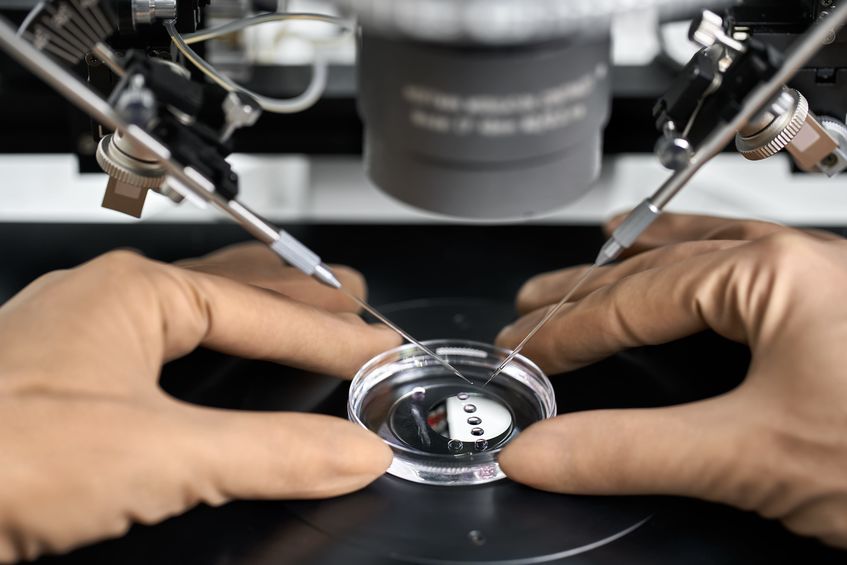
Intracytoplasmic sperm injection (ICSI) is a specialized laboratory technique used during IVF treatment. During standard IVF, eggs and sperm are combined in a laboratory dish, allowing fertilization to occur naturally. With ICSI, the embryologist selects a single healthy sperm and injects the sperm directly into an egg. This direct injection bypasses certain barriers that may prevent fertilization when sperm numbers are low. If ICSI is successful, the fertilized egg is then transferred into the uterus in hopes of pregnancy.
When sperm injection is recommended
Fertility specialists often recommend ICSI when sperm concentration falls well below normal levels. Sperm counts under 10 million sperm per 1mL of semen frequently raise concern for reduced fertilization success with standard IVF. Severe oligospermia below 5 million sperm per 1mL will almost always result in a recommendation to pursue ICSI. If previous IVF cycles resulted in poor fertilization, couples may be strongly encouraged to consider sperm injection. Additional factors in the male patient, such as poor sperm movement or abnormal sperm shape, may also warrant the use of this procedure.
Success rates with IVF-ICSI
Pregnancy success with IVF-ICSI depends on multiple factors, including maternal age, embryo quality, and overall reproductive health. While each case is unique, fertilization rates using ICSI commonly reach 70-80% at many clinics. Clinical pregnancy rates for IVF cycles involving ICSI often mirror those seen with standard IVF treatment. Research studies show that male-factor infertility responds particularly well to this approach. Many couples facing severe low sperm count achieve a successful pregnancy through IVF with intracytoplasmic sperm injection.
A targeted solution for male infertility
Modern fertility treatment offers effective options for couples experiencing male-factor infertility. ICSI is an effective approach that can help men overcome extremely low sperm numbers and support successful fertilization. Careful semen analysis and fertility evaluation guide specialists toward appropriate treatment recommendations. Early consultation allows couples to understand available options and realistic expectations. Advanced reproductive technology continues to expand opportunities for building families despite complex fertility challenges.