Blocked Path To Pregnancy
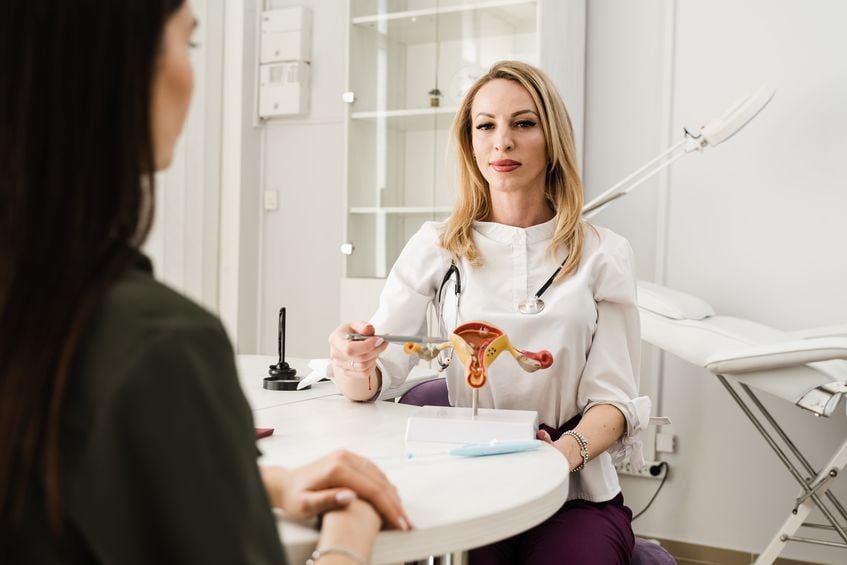
A fallopian tube provides the meeting place for the egg and sperm during natural conception. Each month, an ovary releases an egg that travels through the fallopian tube toward the uterus. Within this narrow passage, sperm meets the egg and fertilization occurs. The resulting embryo then travels toward the uterus to implant. A blockage within 1 or both tubes disrupts this process and prevents the sperm and egg from meeting. In vitro fertilization (IVF) offers an alternative approach to conception by bypassing the fallopian tubes entirely.
How blocked tubes affect conception
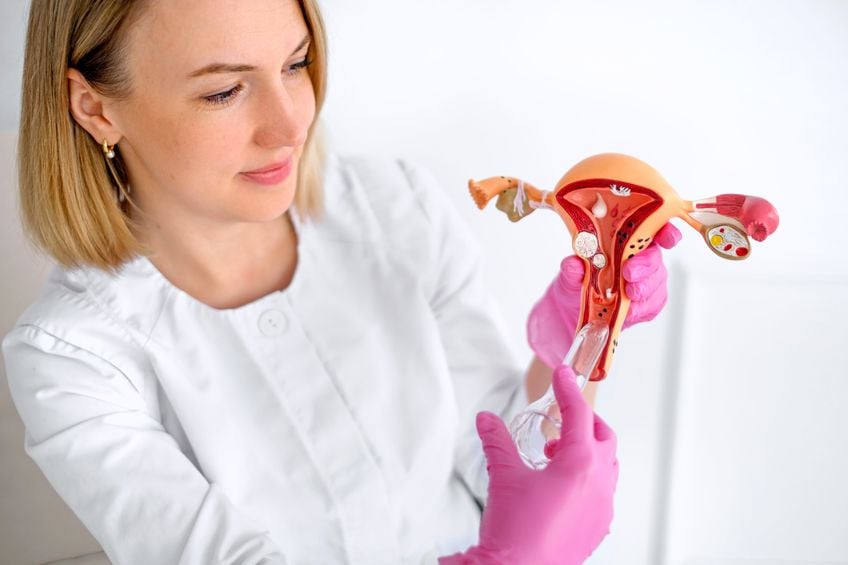
Fallopian tube blockage prevents natural fertilization by interrupting the journey between the ovary and the uterus. Fluid buildup, scar tissue, infection, or prior pelvic surgery can all damage the delicate tubal structures. Pelvic inflammatory disease (PID), endometriosis, and prior ectopic pregnancy are common causes of tubal damage, with about 30% of infertility cases attributable to this issue. Some individuals experience no symptoms, which means the condition doesn’t appear until fertility testing is initiated. Imaging tests such as hysterosalpingography (HSG) can help fertility specialists evaluate whether tubes remain open or blocked.
The IVF pathway
For women with blocked tubes, IVF is a viable pathway to pregnancy. IVF bypasses the fallopian tubes by allowing fertilization to occur in a laboratory rather than inside the body. Hormonal medications stimulate the ovaries to produce multiple mature eggs during a treatment cycle. A fertility specialist then retrieves the eggs directly from the ovaries using a minimally invasive procedure. An embryologist combines the eggs with sperm in a laboratory to create embryos. After the embryos reach an appropriate stage, the specimen is transferred directly into the uterus, eliminating the need for functional fallopian tubes.
When tube removal helps
Severely damaged tubes sometimes contain fluid that leaks into the uterus, a condition called hydrosalpinx. This fluid may interfere with embryo implantation and reduce IVF success rates. Surgical removal or sealing of affected tubes before IVF often improves treatment outcomes. Laparoscopic surgery can address this issue. Fertility specialists typically recommend treatment of hydrosalpinx before embryo transfer to create a more supportive uterine environment.
IVF success considerations
Overall success rates for IVF depend on several factors, including age, egg quality, sperm health, and overall reproductive health. Tubal blockage alone does not usually reduce egg quality or uterine function. Many individuals with blocked tubes go on to get pregnant using IBF since fertilization occurs outside the damaged structures. Fertility clinics may also evaluate hormone levels, ovarian reserve, and uterine health before treatment begins. These evaluations help guide individualized treatment plans and set realistic expectations.
A new route to parenthood
Blocked fallopian tubes once limited pregnancy possibilities for many individuals facing infertility. Modern reproductive medicine now offers an alternative to bypass the tubes and achieve pregnancy. With IVF, egg retrieval, fertilization, and embryo development can all take place without relying on fallopian tube function. With the right medical support and IVF plan, blocked tubes no longer represent an end to the journey toward pregnancy.