Not Enough Sperm For Pregnancy?
Male-factor fertility challenges affect many couples seeking pregnancy, particularly when a semen analysis (SA) reveals extremely low or absent sperm counts. Assisted reproductive technology (ART), such as in vitro fertilization (IVF), offers additional options when conventional treatments fail. When sperm count is low, testicular sperm extraction (TESE) allows physicians to locate viable sperm directly within testicular tissue. Once sperm are retrieved, intracytoplasmic sperm injection (ICSI) can be used to inject a single healthy sperm into an egg, significantly increasing the chances of pregnancy via IVF. With TESE, the dream of starting or growing a family is possible despite any sperm-related setbacks.

Causes of male-factor infertility
Certain medical conditions prevent sperm from entering the semen despite ongoing sperm production inside the testicles. Obstructive azoospermia occurs when blockages in the reproductive ducts prevent sperm from moving from the testes toward the ejaculate. Nonobstructive azoospermia describes impaired sperm production resulting from genetic factors, hormonal disorders, prior chemotherapy, or testicular injury. Varicoceles, infections, undescended testicles, and congenital abnormalities may also reduce sperm development within reproductive tissue. Identification of the underlying cause allows fertility specialists to determine whether surgical sperm retrieval represents a suitable treatment pathway.
How TESE works
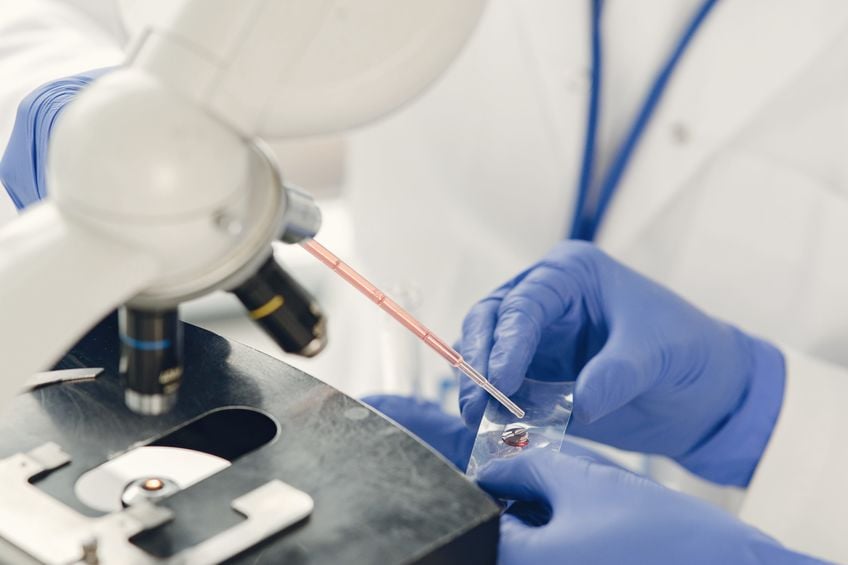
Testicular sperm extraction is a minor surgical procedure performed by a urologist. During the procedure, a small piece of testicular tissue is sampled. Laboratory specialists carefully examine the extracted tissue under a microscope to locate individual sperm cells suitable for fertilization. Once viable sperm appear, embryologists collect and inject a single sperm into each mature egg using ICSI during IVF. The resulting embryo spends a few days growing in the lab before being transferred into the uterus in hopes of pregnancy.
Who benefits most
Men diagnosed with azoospermia are often the strongest candidates for TESE combined with IVF treatment. Patients with prior vasectomy, congenital absence of the vas deferens, or reproductive tract obstruction frequently experience successful sperm extraction. Certain men with very low sperm production may still produce small pockets of sperm within testicular tissue. Couples experiencing repeated IVF failure due to extremely poor sperm quality may also consider TESE. Careful evaluation by fertility specialists determines candidacy through hormone testing, genetic screening, and a detailed review of reproductive history.
Improving pregnancy outcomes
Combining TESE with IVF and ICSI often produces higher fertilization rates. Testicular sperm sometimes display improved deoxyribonucleic acid (DNA) integrity compared with sperm exposed to oxidative stress during passage through reproductive ducts. Better sperm quality can support stronger embryonic development and a higher probability of implantation. Clinical studies report encouraging pregnancy outcomes among couples previously diagnosed with seemingly untreatable male infertility conditions. Expanded treatment options allow many couples to pursue biological parenthood despite serious reproductive obstacles.
A hopeful path forward
Modern fertility medicine continues to expand opportunities for families affected by severe male reproductive challenges. Testicular sperm extraction offers a valuable pathway for locating sperm when traditional semen collection produces no usable cells. Combination treatment involving TESE, IVF, and ICSI is often considered the gold standard treatment when sperm issues are present. Continued advances in reproductive science provide renewed optimism for couples pursuing pregnancy despite complex infertility diagnoses.