Should You Optimize Sperm Health Before IVF?
Preparation before assisted reproduction plays a critical role in treatment success. Male fertility factors contribute to about half of infertility cases in couples, making pre-treatment optimization an essential step rather than an optional choice. Sperm quality directly affects fertilization rates, embryo development, and the likelihood of achieving a healthy pregnancy. Addressing modifiable factors before fertility treatment can improve key parameters such as count, motility, and morphology. By enhancing male fertility prior to in vitro fertilization (IVF) or intracytoplasmic sperm injection (ICSI), improved outcomes are possible.

Understanding key sperm parameters
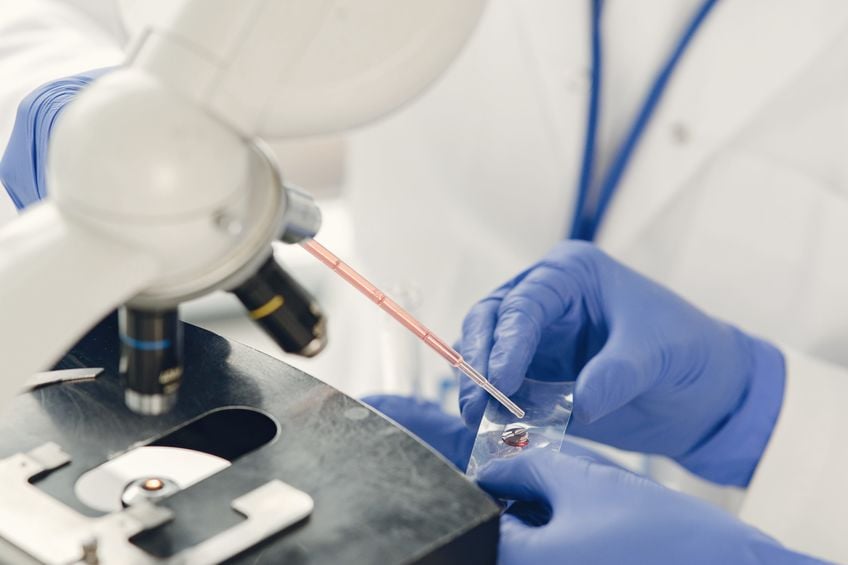
To best understand a male patient’s current fertility, a healthcare provider will typically order a semen analysis (SA) to evaluate sperm concentration, motility, and morphology. Concentration refers to sperm count per 1mL of semen. Motility measures forward movement required for egg penetration. Morphology assesses structural normality linked to fertilization potential. Abnormal results in any category can reduce the chances of pregnancy.
Lifestyle factors that influence fertility
Daily lifestyle habits can significantly affect sperm production and function. Smoking introduces toxins that damage deoxyribonucleic acid (DNA) and reduce motility. Excess alcohol intake disrupts hormone balance and lowers sperm count. Elevated body mass index (BMI) correlates with decreased testosterone and impaired spermatogenesis. Regular exercise, balanced nutrition, adequate sleep, and stress reduction all support hormonal stability and sperm health.
Nutritional strategies and supplements
Targeted nutrition provides essential support for sperm development. Antioxidants such as vitamin C, vitamin E, and zinc reduce oxidative stress. Coenzyme Q10 improves mitochondrial function and enhances motility. Omega-3 fatty acids contribute to membrane integrity and sperm structure. Many men can obtain sufficient nutrients from diet alone, but in some cases, supplements may be recommended to ensure optimal intake. Making nutritional changes at least 3 months prior to starting any fertility treatment is the best way to improve new sperm.
Medical evaluation is key
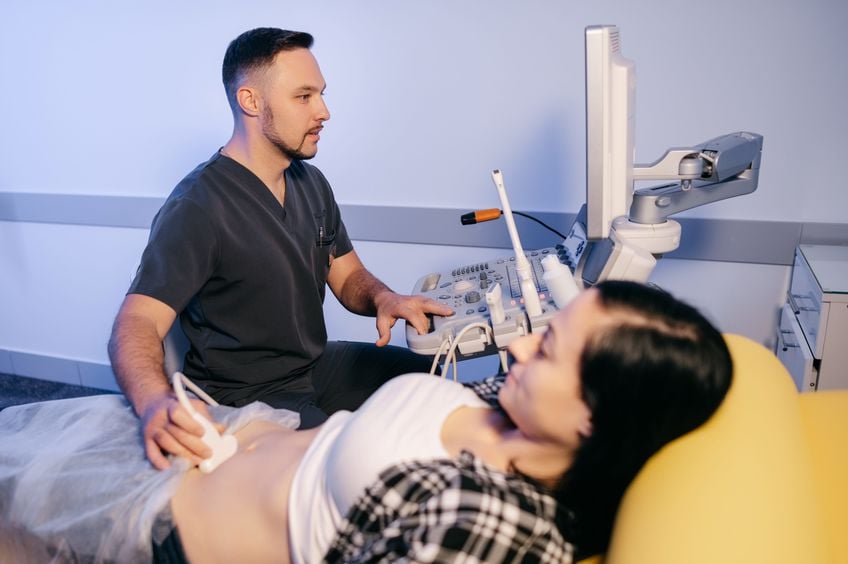
If male infertility is suspected, clinical assessment is necessary to identify any underlying causes requiring targeted management. Hormonal testing can reveal testosterone deficiencies or endocrine disorders. Varicocele is another common condition that can impair sperm quality. Surgical correction is essential for men with this condition who want to achieve a pregnancy. Infections within the reproductive tract can reduce sperm function and require treatment.
IVF with ICSI
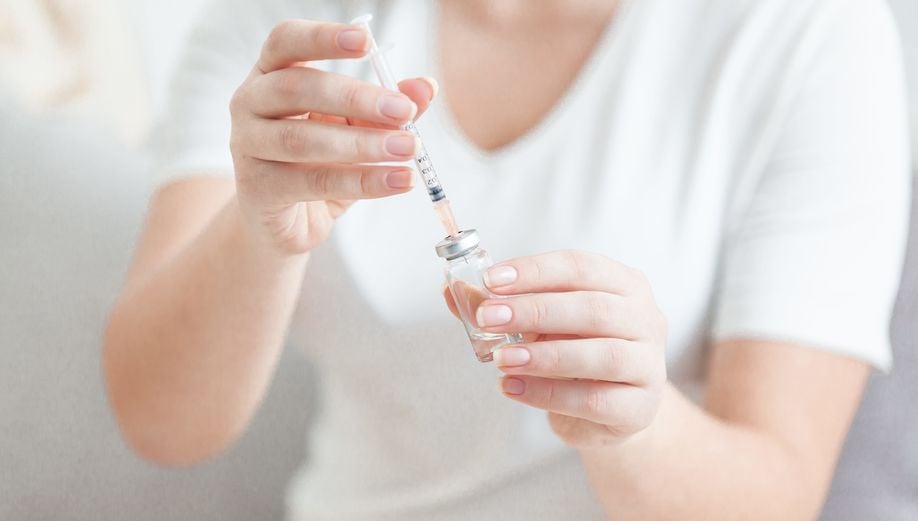
For many cases of male-factor infertility, IVF with ICSI is considered the best path forward. During IVF, the female patient received medication to encourage the growth of multiple eggs. The eggs are then retrieved and combined with sperm in the lab to create an embryo. ICSI is an add-on procedure where a single healthy sperm is retrieved from the male patient’s sample and injected directly into the egg. The use of IVF with ICSI can result in fertilization rates of 70-80% for all eggs injected.
Stronger outcomes with preparation
Male fertility optimization enhances the likelihood of successful assisted reproduction. Improved sperm parameters support higher fertilization rates and better embryo quality. Men who are planning pregnancy should focus on quitting smoking and cutting down on alcohol, achieving a healthy BMI, and making healthy nutritional choices. Medical evaluation is also an essential part of fertility prep, ensuring that modifiable factors can be addressed ahead of treatment. With proactive preparation, men with infertility can start or grow a family.