Does Time Lapse Actually Work?
Selecting which embryo to transfer during in vitro fertilization (IVF) is a critical decision. The right embryo is the difference between pregnancy and another failed cycle. Traditional embryo assessment involves evaluating embryos under a microscope at specific points, providing snapshots of development. Time-lapse monitoring revolutionizes this process by continuously photographing embryos every 10-15 minutes, creating a comprehensive development timeline. Is this method better than the tried-and-tested option? Results show that time-lapse embryo monitoring may be the most effective method for identifying the highest-quality embryo for transfer.
Every second counts
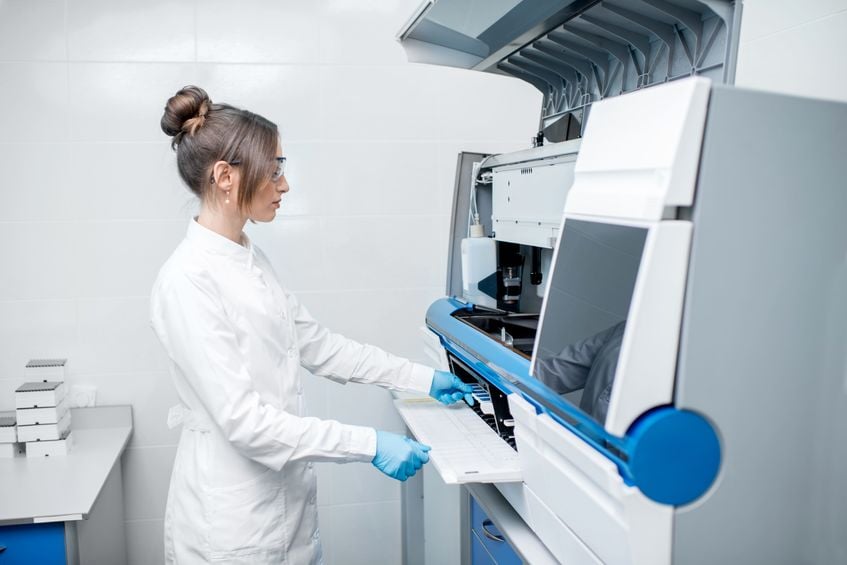
Time-lapse incubation systems house embryos in controlled environments with built-in microscopes and cameras. The technology captures thousands of images throughout the 5-6 days embryos develop before transfer. The time-lapse documents every cell division, compaction event, and developmental milestone without disturbing embryos. Advanced software then analyzes these images. Other features include measuring the precise timing of developmental events, identifying abnormal division patterns, tracking fragmentation and cellular behavior, and predicting implantation potential. This ongoing observation captures over 5000 images per embryo. Capturing even the smallest differences can give details about the embryos’ pregnancy potential.
Developmental timing predicts success
Statistics reveal that precise developmental timing strongly links with embryo viability. Embryos dividing too quickly or too slowly have reduced implantation rates. Specific milestones, from 2 cells to a blastocyst, should occur within defined windows. Time-lapse systems measure these intervals precisely, identifying embryos that are more likely to succeed. For instance, embryos completing the first cell division between 24-27 hours show higher pregnancy rates than those dividing earlier or later. Time-lapse monitoring also determines the optimal time to reach the 5-cell stage, compaction timing, and blastulation onset. These features can differentiate between embryos that may look identical, potentially increasing success rates.
Catching abnormalities cold
Time-lapse monitoring catches developmental abnormalities missed by conventional observation. Direct cleavage from 1 cell to 3 cells, which skips the 2-cell stage, predicts poor outcomes. Time-lapse monitoring can identify concerns like reverse cleavage, where cells fuse back together after dividing, or chaotic cleavage with rapid, disorganized divisions. These behaviors suggest chromosomal abnormalities. These events might even slip past the keen eyes of conventional observation. Embryos declared normal may actually have an underlying abnormality.
An additional benefit
Beyond providing more information, time-lapse monitoring means embryos never leave optimal culture conditions. Traditional assessment requires removing embryos from incubators. This exposes delicate cells to room temperature, light, and atmospheric oxygen during examination. These short environmental changes stress embryos, potentially affecting development. Time-lapse embryos remain undisturbed in stable temperature, gas composition, and humidity throughout development. This stability may improve outcomes independent of selection advantages.
Does it help or hurt?
In any space, more data often means better decisions. Fertility teams who use time-lapse monitoring demonstrate improved embryo selection accuracy compared to morphology alone. There are also higher pregnancy rates per transfer when using time-lapse selection, and reduced time to pregnancy through more efficient embryo selection. The benefits are especially helpful for couples with repeated implantation failures or patients doing single embryo transfer wanting to optimize the single embryo chosen. Time-lapse monitoring is an excellent advancement in IVF technology. The goal is to be as accurate as possible when making decisions, and this process provides amazing insight into embryo development. While this is not a magic solution, fertility teams have made improvements in embryo assessment accuracy. This is particularly valuable when choosing between multiple high-quality embryos or severe infertility challenges. Open the discussion about time-lapse monitoring with the fertility team for potentially higher success rates.