Understanding Female Infertility
Experiencing the joys of pregnancy and parenthood is a dream for millions of women. Yet, for up to 16% of women, infertility is a sobering reality. Infertility occurs when an individual or couple is unable to conceive after at least 12 months of unprotected sex. Female infertility refers to a clear hormonal or physical issue attributed to the woman that may be the reason for a failed pregnancy. Statistics show that roughly 33% of infertility cases are female-related. Most female infertility cases are age-related. Some women begin to see signs as early as 30. Understanding the challenges women over 30 face, along with identifying symptoms, can lead to prompt solutions and higher pregnancy rates.

Female infertility and age
A woman’s reproductive health is closely intertwined with age. All women with healthy ovarian function are born with a set number of follicles that will develop into the eggs needed for fertilization and pregnancy. Every year, these follicles decline, leaving women with about 300,000 - 400,000 by reproductive age. Follicles are lost through menstruation, while quality also declines, which can start happening from as young as 30. As a woman ages, there is also a higher risk of other internal and external factors that interrupt fertility. Some women may appear asymptomatic, but there are early signs that can benefit from treatment.
Your periods hold the clues
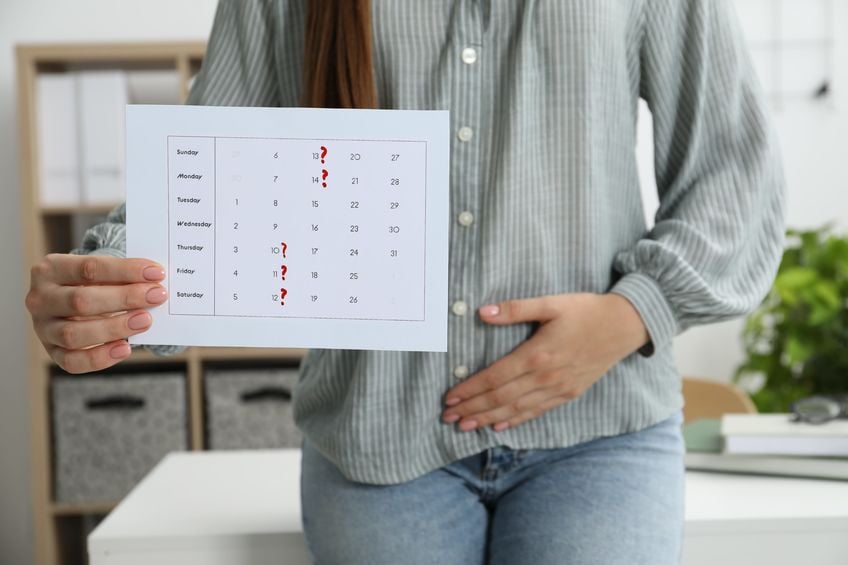
A consistent, healthy menstruation is often a sign of optimal fertility and hormone health. When there are sudden changes in menstrual cycles, such as irregular periods, there may be potential infertility issues later. Menstrual cycles that are less than 21 days and more than 35 days are warning signs. Some women may have painful, heavy periods, while others miss periods completely. Other women may notice spotting. These changes are common signs of ovulation problems, which are a likely cause of infertility.
Look for hormonal symptoms
Even with mild changes in a woman’s menstrual cycle, there are some resulting hormonal symptoms that are signs that infertility is on the horizon. Some women develop acne, hair loss, and hirsutism, the development of facial and body hair. Other symptoms include reduced libido, development of polycystic ovarian syndrome (PCOS), and painful intercourse. These symptoms, along with difficulties getting pregnant after 6 or more months of trying, can signal potential infertility challenges later.
What should you do?
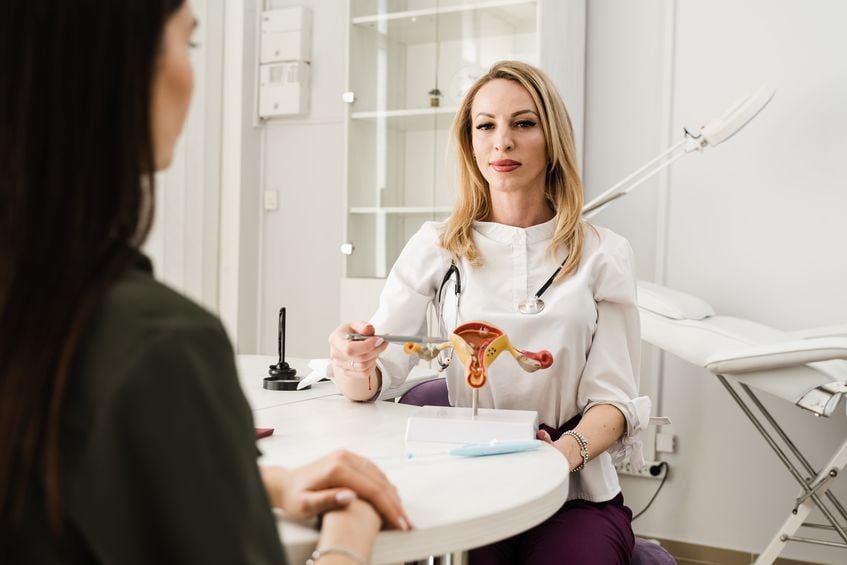
Women who recognize these symptoms should seek medical advice immediately. A fertility specialist can perform a detailed assessment, which includes blood tests, ultrasounds, and other health checks to determine possible reasons for delayed pregnancy. This review can help women create a custom plan to improve fertility. Some women benefit from lifestyle changes while others need hormone medication to increase pregnancy rates. If there is an underlying issue, like fibroids, surgical procedures may be necessary. If infertility continues, strategies like in vitro fertilization (IVF) are a viable option.
Early intervention is key
Female infertility is a worrying concern, especially for young women hoping to get pregnant. While most young women attempting to get pregnant consistently will see success, many will struggle from as early as age 30. Look for initial signs and take action immediately. Most early signs are related to irregular periods and hormone fluctuations. Making health changes and seeking treatment, including IVF, can improve outcomes.