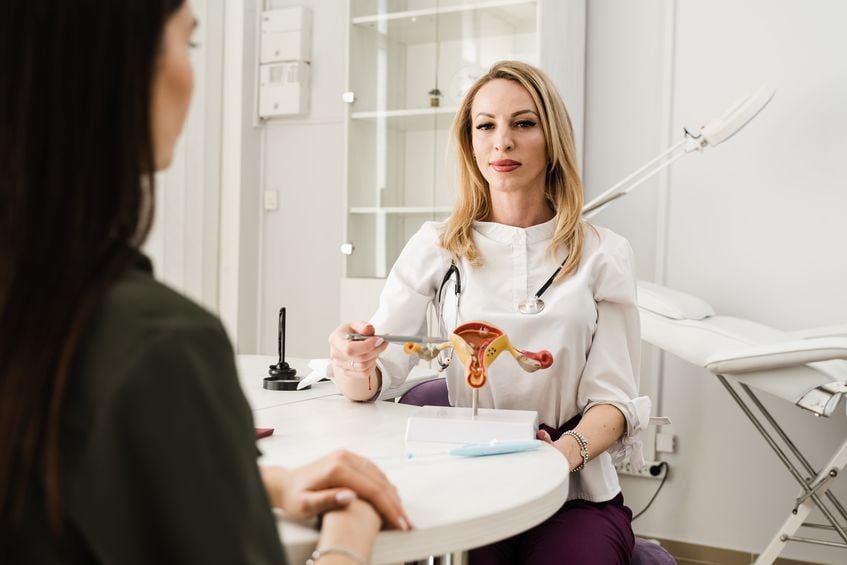
Navigating Endometriosis And Your Fertility
Endometriosis is a common reproductive health condition impacting 1 in 10 American women. Many are unaware that the condition exists, while others are significantly affected by symptoms and impaired fertility. With endometriosis, tissue similar to the uterine lining grows outside the uterus. The tissue can form near the fallopian tubes, uterus, and other structures, causing inflammation, pain, and scarring. Endometriosis is a reason some women struggle to conceive, affecting at least 30% of women with the condition. The problem often lies in the tissue and scarring that impact embryo implantation. Despite these challenges, there are ways to treat endometriosis, including potentially using fertility treatment to increase the chances of pregnancy.
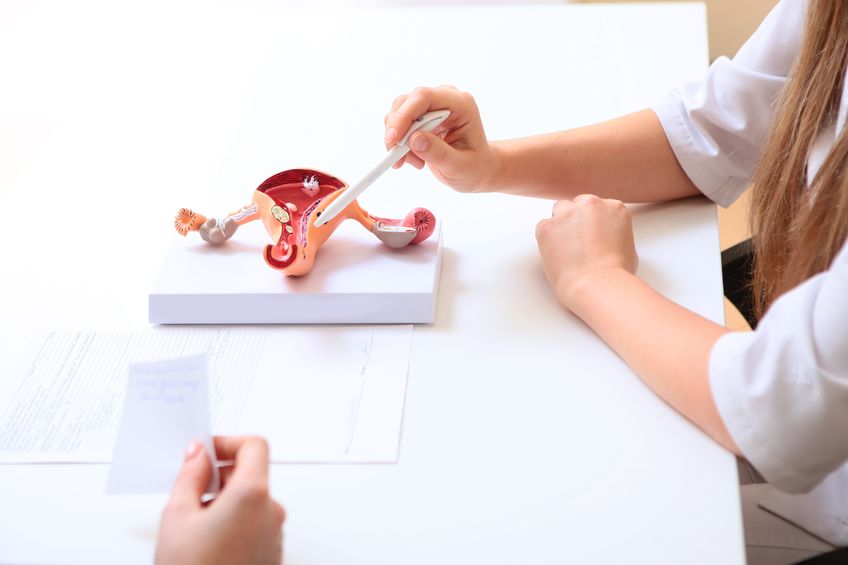
How endometriosis impacts fertility
The exact cause of endometriosis is unknown, with genetics, hormones, and immune system dysfunction as potential factors. The tissue that forms outside the uterus can create a hostile environment for conception and fertility in several ways. For instance, the tissue responds to hormonal changes just like normal uterine lining, inflaming tissue and organs responsible for conception. This chronic inflammation can lead to the formation of adhesions and scar tissue that block or damage the fallopian tubes or affect ovarian function. Endometriosis can also impact egg quality and interfere with ovulation, creating an environment that makes every stage of conception difficult. Even minimal endometriosis can cause significant fertility problems, impacting a specific part of the reproductive system.
Endometriosis and embryo implantation
Endometriosis can lead to infertility by affecting embryo implantation. To achieve pregnancy, an embryo travels the fallopian tube to the uterus, implanting into the uterine lining. Sometimes, the additional tissue that causes inflammation and scarring in endometriosis occurs around the endometrial lining. This change disturbs the space needed for successful implantation. Women with endometriosis will also notice hormonal effects, including progesterone resistance and estrogen dominance. These changes can stop the endometrial lining from preparing for implantation. Even on a molecular level, endometriosis can cause a lack of certain cells responsible for preparing the uterine lining for pregnancy. Over time, endometriosis can even increase inflammatory factors that damage the immune environment within the uterus. This special environment is responsible for protecting embryos and implantation. These many factors make embryo implantation difficult, leading to infertility.
Turning the page with treatment
Despite the significant damage endometriosis can do to embryo implantation, treatment strategies are available. Doctors can treat endometriosis after a comprehensive evaluation and a custom plan to meet the individual needs of the patient. Surgery can play a complementary role alongside medication for endometriosis-related infertility. Minimally invasive surgery (MIS) can remove endometrial lesions and other blockages. Combined with optimal recovery and appropriate hormone medication, surgery can improve fertility and increase implantation rates. Hormone medication can optimize ovulation and improve endometrial receptivity. Over time, this process can improve implantation rates.
Assisted reproductive technology and endometriosis
In many respects, patients with endometriosis who wish to get pregnant may need additional support. For moderate to severe endometriosis, or when conventional treatments fail, assisted reproductive technology (ART) offers hope. In vitro fertilization (IVF), for instance, can provide similar success rates to other infertility causes. The procedure can bypass the issues endometriosis causes, such as obstructions to the fallopian tubes. Doctors may create a custom plan, which may involve long-term use of hormone medication. This therapy restores balance to the endometrium and improves uterine receptivity. The fertility team may adjust estrogen and progesterone administration over time to achieve the best possible uterine lining. IVF is not a cure for endometriosis but restores hope for thousands of women.
You can turn it around
Living with endometriosis and hoping to achieve pregnancy can be difficult for any woman or couple. Scarring, inflammation, and the development of unwanted tissue can impact embryo implantation. Work with a doctor to create a plan to improve symptoms and increase the chances of pregnancy. A combination of hormone medication, lifestyle changes, and potential surgery can improve the chances of pregnancy. Severe cases or multiple failed implantations may need ART to achieve family-building goals. Do not let endometriosis dictate any goals for starting or growing a family. With the right strategy, medical team, and personalized treatment, parenthood is possible, even with the condition.