When Fertility Meets PCOS
Polycystic ovary syndrome (PCOS) affects an estimated 10% of women of reproductive age, making the condition a common cause of infertility. PCOS involves a complex mix of hormonal imbalances, irregular menstrual cycles, and metabolic changes that can interfere with ovulation. Although PCOS can make conception more challenging, many women affected by PCOS go on to have successful pregnancies with proper care and treatment.

Hormonal patterns affect ovulation
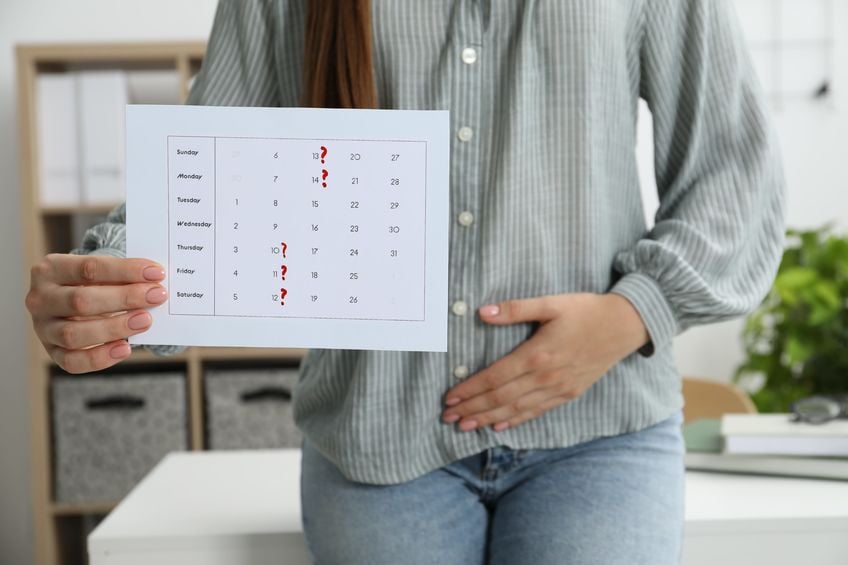
Irregular hormone levels are a defining feature of PCOS. Elevated androgens, or male hormones, disrupt the normal balance of estrogen and progesterone needed for egg development. Without a regular release of eggs from the ovaries, monthly cycles may become unpredictable or stop altogether. Insulin resistance, another common feature of PCOS, further contributes to hormone imbalance and weight gain, which can intensify ovulation issues. Addressing these hormonal changes through medication, nutrition, and lifestyle modification often restores a more consistent cycle.
Early diagnosis supports better outcomes
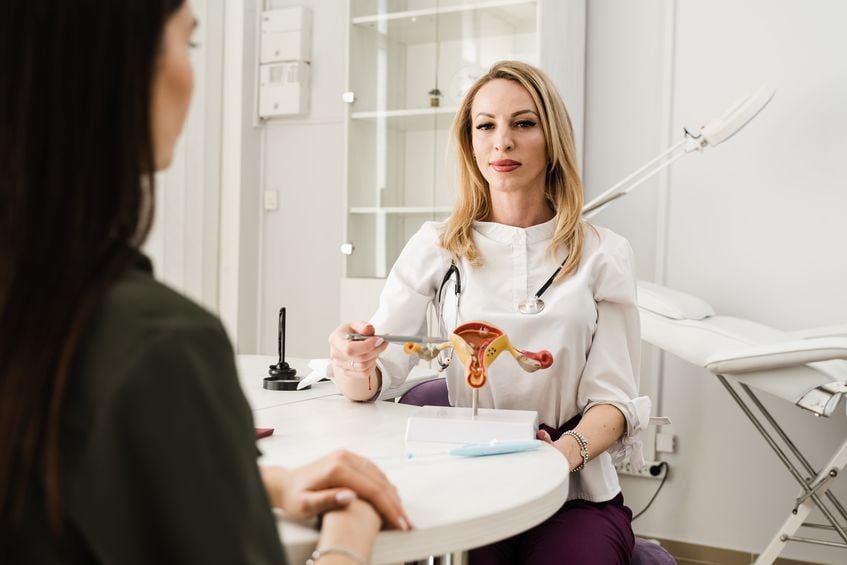
Identifying PCOS early can greatly improve reproductive outcomes. Many women first notice symptoms such as acne, excess hair growth, weight changes, or missed periods during adolescence or early adulthood. Other times, the condition may not become identifiable until fertility struggles are encountered later in life. A medical evaluation typically includes a hormone panel, pelvic ultrasound, and review of menstrual history. Early detection allows for targeted treatment before fertility goals become urgent, increasing the chances of successful conception.
Lifestyle changes play a key role
Weight management, balanced nutrition, and regular physical activity are central to improving fertility for women with PCOS symptoms. Even a 5-10% reduction in body weight can improve hormonal balance and support regular ovulation. A diet focused on whole grains, vegetables, lean proteins, and limited refined sugars can stabilize insulin levels. Consistent exercise, for at least 150 minutes a week, improves circulation and reduces insulin resistance, creating a healthier environment for egg maturation and release.
Treatment options improve success rates
Several medical approaches can help regulate cycles and enhance fertility for women with PCOS. Oral contraceptives can help regulate the cycle, reduce acne, and prevent conception when pregnancy is not the goal. On the other hand, when a baby is desired, ovulation-inducing medications can be prescribed to increase the chances of success. Injectable hormones or in vitro fertilization (IVF) may be considered if initial treatments are unsuccessful.
Many paths lead to pregnancy
Although PCOS symptoms can delay or complicate conception, fertility outcomes are often positive with proper management. Many women conceive naturally once hormonal balance and ovulation improve. For others, reproductive technology offers effective support. Continued research into how insulin, inflammation, and hormones interact promises even better treatment options in the future. With early diagnosis, lifestyle changes, and medical guidance, the outlook for fertility among women with PCOS symptoms remains highly encouraging.