The Delicate Balance Of Fertility
Even though women aren’t the sole influence on getting pregnant, society sometimes puts an unfair emphasis on the woman’s role in conception. Even when infertility isn’t at play, the time it takes to get that big fat positive places a lot of pressure on one gender. However, many people are unaware of how much factors beyond egg quality and age can impact fertility, and by extension, conception. For people trying to conceive, find out how seemingly unrelated health conditions or concerns can make a difference between getting a positive or negative test result.

Ovulation
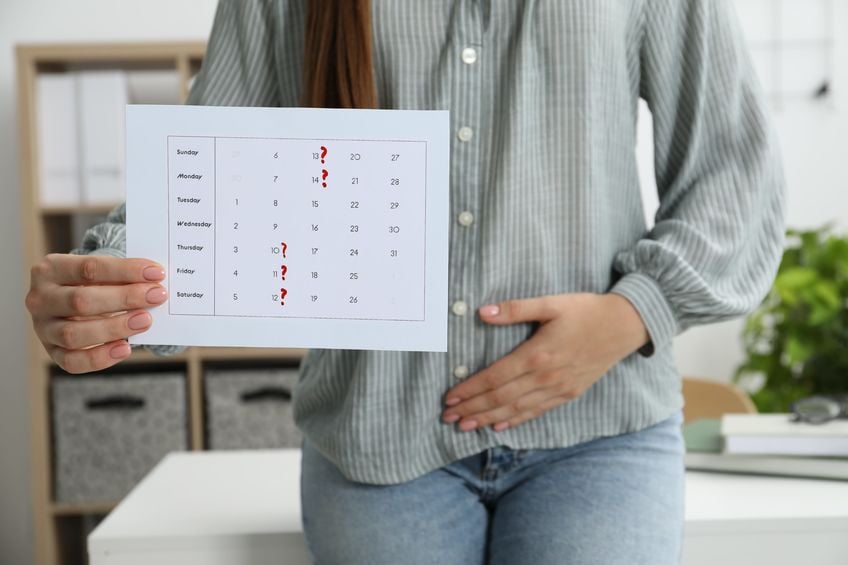
A critical part of getting pregnant is timing intercourse correctly. Many people learned in school that a woman’s menstrual cycle is 28 days long and that ovulation occurs around the 12th day of that cycle. However, the reality is that the average cycle can range from 21-35 days. The ovulation window is usually halfway through that timeline ovulation tends to occur. Yet, women with irregular periods may have significantly shorter or longer menstrual cycles, resulting in ovulation that’s harder to track. If a person can’t accurately predict ovulation, timing intercourse around that 3-5 day window is difficult and reduces conception odds.
Weight
Another equally critical factor is weight. While ideal weight will vary between individuals, experts do know that being severely over- or underweight directly impacts women trying to conceive. Being overweight or obese in women can lead to hormone imbalances which can influence ovulation. Similarly, being seriously underweight with a BMI of 18.5 or less can cause the body to stop making estrogen, one of the most critical hormones responsible for regulating menstrual cycles. In severe cases, women may stop getting periods or ovulating.
Chronic stress
Stress is a normal part of life, and experiencing occasional bouts of strain isn’t unusual. However, when sustained for too long, cortisol levels are directly linked with poor health outcomes across the body. Sometimes the signs are small like frequent headaches, upset stomach and muscle pain. Yet, excess stress can also lead to hormonal imbalances and specifically lower estrogen production.
Smoking and alcohol
While not formally a condition, most people understand that smoking or using tobacco products isn’t good for overall health. Beyond the obvious risks to an active pregnancy like miscarriage, research suggests that women who smoke experience delayed conception. Specifically, smoking is often linked with decreased ovarian reserve or overall viable eggs. Similarly, excessive alcohol consumption can lead to irregular menstrual cycles.
Dietary Choices
Too often, women only focus on dietary choices during pregnancy. Yet, research consistently shows that especially for people attempting fertility treatments, improving diet and nutritional intake before beginning any processes is critical to boost success rates. Poor diet can lead to imbalances that manifest as ovulatory disorders, low egg quality, and even delayed conception because of implantation issues.
Get the full story
Getting pregnant requires that a complex series of events align perfectly. So, while any of the above factors can influence conception outcomes, no single point is solely responsible for fertility. Women concerned about getting pregnant, especially after unsuccessfully trying for a consistent period should speak with a fertility specialist for testing for a personalized diagnosis..