Has Conception Hit A Wall?
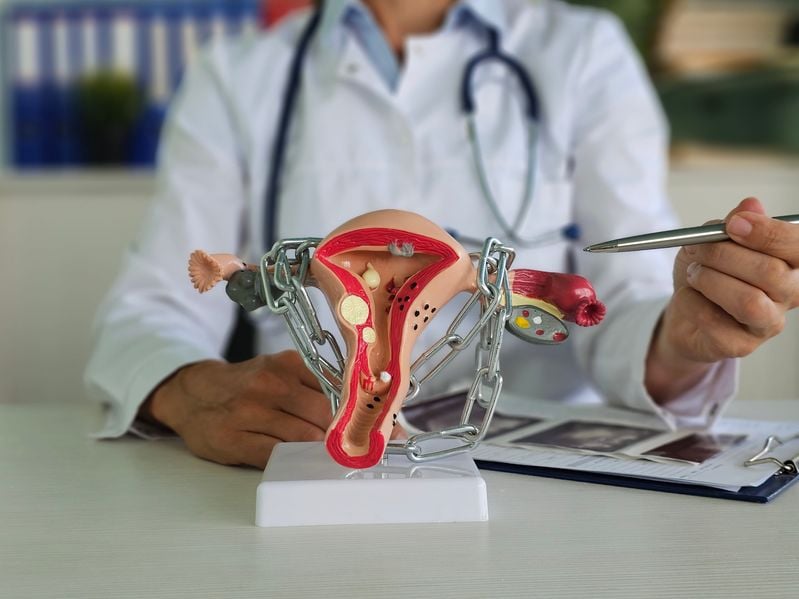
Fibroids form within the uterine muscle tissue and change how the uterus functions. Growths that press on the uterine cavity or block the fallopian tubes limit how sperm and egg meet. A uterine fibroid near the lining can prevent an embryo from attaching or receiving enough blood flow to grow. The result is a lower chance of conception and a higher chance of early pregnancy loss. Treatment that restores normal shape and circulation often brings fertility back within reach.
Hormone imbalance affects fertility
Fibroid growth can interfere with the natural rise and fall of reproductive hormones. Disruption of estrogen and progesterone can create heavier or longer bleeding and make ovulation less consistent. The uterine lining can become too thick or uneven, which affects implantation. Hormone regulation through medication or lifestyle adjustments can steady this rhythm and prepare the body for pregnancy again.
How lining affects implantation odds
Fibroids within or near the uterine cavity can distort the lining where an embryo would normally attach. A fibroid beneath the surface, known as submucosal, can change texture and shape, leaving less space for implantation. Reduced blood flow can make the lining less receptive. Surgical removal of cavity-distorting fibroids often restores the environment needed for successful implantation.
No room for pregnancy
Large fibroids can take up physical space that would otherwise support an embryo or fetus. Pressure within the uterus can prevent normal expansion and interfere with nutrient delivery. Limited space may also lead to abnormal fetal positioning or early labor. Shrinking or removing large fibroids before conception reduces these risks and helps create room for healthy development.
How internal swelling blocks conception
Fibroids can trigger low-grade inflammation inside the uterus. Inflammation affects how cells communicate during fertilization and implantation. The uterine environment can become less stable, reducing the likelihood of sustained pregnancy. Anti-inflammatory nutrition, stress management, and guided treatment help calm the body and restore balance for conception.
Complications during pregnancy
Fibroids that remain during pregnancy can increase the risk of miscarriage, early delivery, or heavy bleeding. Rapid fibroid growth can cause pain and uterine pressure. Regular prenatal monitoring helps detect changes early so medical support can prevent complications. Early planning with a reproductive specialist improves pregnancy outcomes for those with a history of fibroids.
Finding the right care
Fibroid treatment depends on size, number, and location. Medication can control bleeding and reduce growth. A myomectomy removes fibroids while keeping the uterus intact, allowing natural conception later. Non-surgical therapies, hormone regulation, and healthy daily habits all support recovery. Consistent follow-up ensures continued balance and helps maintain a uterus ready for pregnancy.
Restoring hope and balance
Uterine fibroids can interrupt the path to pregnancy, but balance can be regained through steady care. Early testing, informed treatment, and supportive habits give the uterus the best chance to heal. When circulation, hormones, and structure return to harmony, fertility often improves, and the possibility of pregnancy grows stronger.