Understanding Your Diminished Ovarian Reserve
All women with healthy ovaries possess a set number of follicles that soon become eggs. The quantity of eggs naturally declines with age and menstruation. For about 10% of women, this happens faster than expected, creating a diminished ovarian reserve (DOR) that impacts fertility. With a DOR, a woman has many fewer eggs compared to others of the same age, with egg quality also declining. The results of this condition include unsuccessful fertilization, failure of embryo implantation, and potential miscarriage. Women diagnosed with DOR need fertility support to increase the chances of pregnancy. Treatment options such as in vitro fertilization (IVF) are effective but must be customized to meet the specific needs of patients.

Assessing and diagnosing DOR
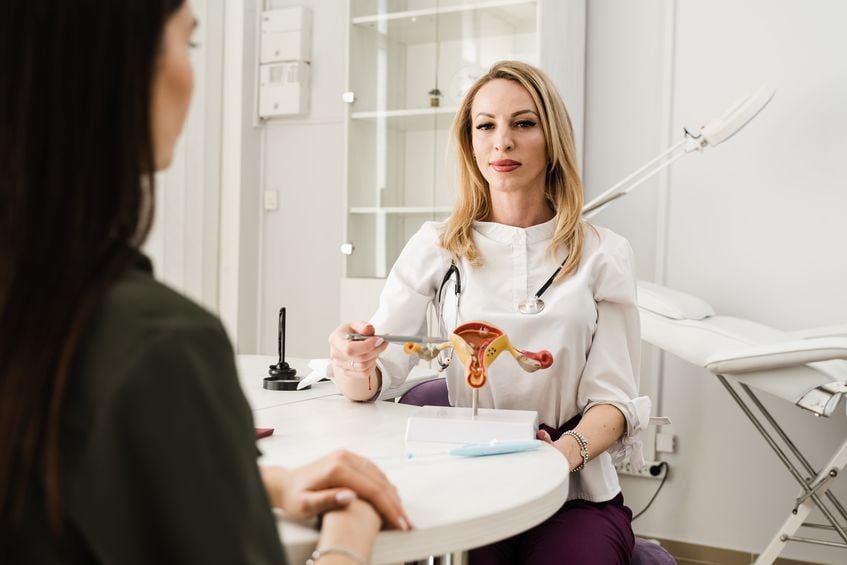
A trained reproductive specialist or fertility team can help diagnose ovarian reserves. A DOR diagnosis is taken seriously, with multiple tests and checks used to confirm the condition. Hormone testing can reveal follicle-stimulating hormone (FSH) and estradiol levels that speak to a lower ovarian reserve. Checking anti-Müllerian hormone (AMH), in particular, can help gauge the patient’s egg count. A higher AMH means a better ovarian reserve and a higher chance of pregnancy. Additional ultrasounds that check antral follicle count will help confirm a reduced reserve. Factors, including age, genetics, previous surgeries, and medical treatments, influence DOR. These factors will determine whether the patient can get pregnant and the types of treatments needed.
Can DOR impact fertility treatment?
Women with DOR need support to improve fertility. Hormone medication, for instance, can stimulate ovulation, making natural conception easier. Sometimes, hormone medication is combined with intrauterine insemination (IUI), where sperm samples are medically placed in the woman’s uterus to improve the chances of pregnancy. For severe cases, assisted reproductive technology (ART) like IVF is necessary to improve fertility. IVF creates embryos by extracting eggs from the ovaries and combining with sperm in a laboratory. One or more healthy embryos are then surgically implanted into the uterus to achieve pregnancy. DOR lowers the chances of pregnancy naturally and through IVF. Significantly lower reserves mean fertility clinics fail to extract enough healthy eggs to proceed with IVF. More failed IVF cycles mean treatment must be adjusted for better results.
Adjusting for higher success rates
One of IVF’s biggest advantages is that doctors can customize treatment to meet the needs of patients. For instance, individualized ovarian stimulation protocols can adjust medication types and doses to optimize egg quantity and quality. The medical team will closely monitor patients to prevent ovarian hyperstimulation syndrome (OHSS) and other complications. Recent studies show that using growth hormone (GH) during ovulation stimulation enhances egg quality and development, leading to better outcomes. For eggs successfully extracted, preimplantation genetic testing (PGT) can help clinics determine which embryos will have the best chances of success. Fertility teams can adjust protocols based on factors such as age and past fertility treatments.
Exploring alternate options
Severe cases may not respond to treatment or have repeated IVF failures. Sometimes, fertility clinics will fail to achieve ovarian stimulation or extract high-quality eggs necessary for IVF. Studies show women with DOR also have a higher miscarriage risk when attempting IVF due to egg quality issues. Donor eggs are recommended at this point. Using healthier eggs from a trusted donor or fertility bank increases the embryo quality and live birth success rates. While the woman will not have a biological link to the child, there is still a deep maternal link through pregnancy. Other options include donor embryos and surrogacy. The fertility team will discuss the benefits of these alternative treatment options to help meet parenthood goals.
Don’t let DOR hold you back
Women with a diminished ovarian reserve can struggle to conceive naturally and with fertility treatment. A lack of quality eggs limits pregnancy and treatment options, including IVF. This does not mean, however, that women with DOR cannot conceive. Doctors can customize fertility treatments to meet these challenges. Severe cases can benefit from donor eggs, genetic testing, and other delicate forms of IVF. Work with the fertility team for a precision approach to reduce unsuccessful IVF cycles and minimize the emotional stress that comes with DOR.