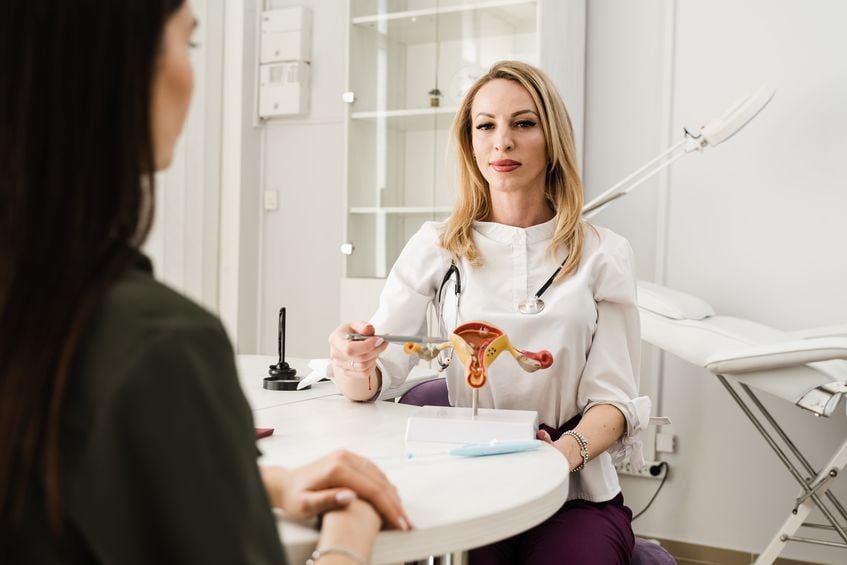
Reproductive Health Red Flags
The body communicates in subtle ways when something requires attention. Pelvic inflammatory disease (PID) often begins with mild symptoms easily mistaken for temporary discomfort. Recognizing the early symptoms of PID makes the difference between simple treatment and serious complications that could affect fertility long-term.
When tubes get blocked
This condition occurs when bacteria, often from sexually transmitted infections like chlamydia or gonorrhea, spread from the vagina into the upper reproductive organs. Scarring and inflammation can block the fallopian tubess. This can potentially prevent eggs from traveling to the uterus as intended.
Constant belly ache
A dull ache settles in the lower abdomen, distinct from menstrual cramps. The discomfort lingers for days, sometimes intensifying with sudden movement or pressure. This persistent sensation differs from typical digestive upset or fleeting pains. This pain remains present despite rest or over-the-counter pain relievers.
Different discharge
Normal discharge patterns shift noticeably in color and texture. The color darkens to yellow or green, while the consistency becomes thicker or more abundant than usual. An unfamiliar odor develops, distinct from typical menstrual cycle variations. These changes persist beyond a few days, signaling potential imbalance, and require medical evaluation.
Pain during sex
Physical intimacy brings unexpected deep pelvic pain rather than pleasure. The discomfort lingers afterward, sometimes for hours. This creates hesitation around sexual activity. This new sensitivity differs from temporary dryness or positional discomfort, indicating possible inflammation.
Burning when you pee
Urination becomes unexpectedly painful, with a burning sensation throughout. Frequency increases without greater fluid intake, yet relief never comes fully. The discomfort persists beyond a single day, unlike temporary bladder irritation that resolves quickly.
Period changes
Predictable cycles become erratic with unexpected flow changes. Flow intensifies unexpectedly, with heavier bleeding and new clotting. Spotting appears between periods, accompanied by unfamiliar cramping patterns. These deviations from normal menstrual rhythms require medical attention.
Always tired
Energy levels drop without clear reason or explanation. Mild fever fluctuates unpredictably, alternating between chills and warmth. General exhaustion continues despite adequate rest, suggesting a systemic response rather than temporary fatigue.
From meds to surgery
Antibiotic therapy begins immediately upon diagnosis, often using multiple medications. Severe cases require hospitalization for intravenous treatment. All recent sexual partners need simultaneous medication to prevent recurrence. Follow-up testing ensures complete infection resolution. Some situations require surgical intervention for abscess drainage or scar tissue removal.
How to protect fallopian tubes
Practice safe sex and schedule regular sexually transmitted infection (STI) screenings as prevention. Seek immediate treatment for any unusual symptoms to avoid complications. Avoid douching to maintain natural protective bacteria. Early intervention prevents scarring and blockages, preserving fertility. Consult a healthcare provider at the first sign of abnormalities to prevent severe damage.
Taking action matters
Trusting bodily signals and responding promptly preserves long-term reproductive health. Temporary discomfort investigated early often resolves with simple treatment, while ignored symptoms may lead to complex challenges. Awareness and proactive care are the most effective strategies for maintaining wellness.