Over The Fertility Hill
A woman’s ability to get pregnant gradually declines with age, particularly during the late 30s and early 40s. A diagnosis of diminished ovarian reserve (DOR) often adds another layer of concern for individuals hoping to conceive naturally. DOR refers to a reduced quantity or quality of remaining eggs within the ovaries. Although this diagnosis can feel discouraging, several medical and lifestyle strategies may help improve the chances of pregnancy. Early evaluation and thoughtful planning are essential to achieve pregnancy with DOR at an older age.

By the numbers
Female fertility typically peaks during the 20s, when the chance of conception is approximately 25-30% per cycle. By age 40, the likelihood of pregnancy drops to less than 5% per cycle. Miscarriage risk also increases as maternal age rises, and pregnancy complications like preeclampsia are more common. Advanced maternal age (AMA) describes pregnancy attempts occurring after age 35, when conception often requires more time and careful planning.
Understanding ovarian reserve
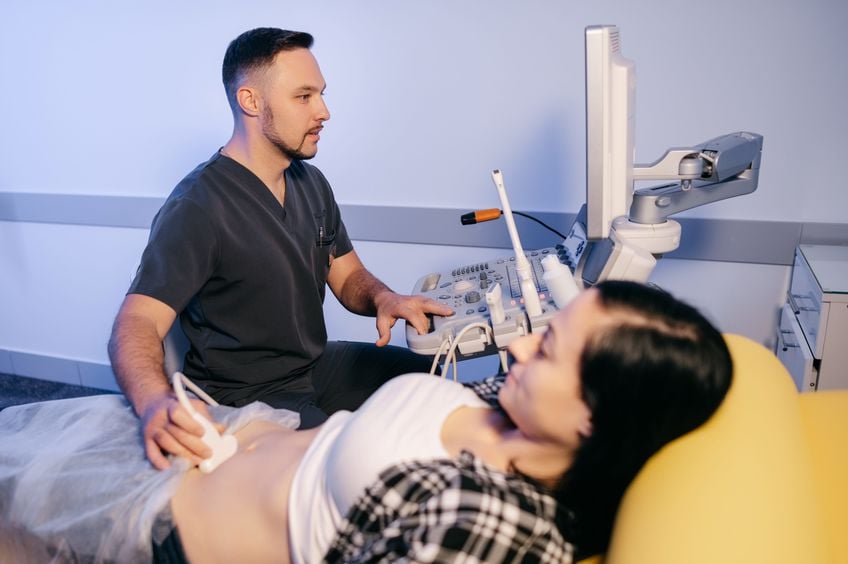
Diminished ovarian reserve describes an egg supply that is lower than expected for a given age. Fewer available eggs reduce the number of opportunities for ovulation and fertilization. Blood work measuring anti-Müllerian hormone (AMH) and follicle-stimulating hormone (FSH), along with an ultrasound evaluation of antral follicle count (AFC), is often used to diagnose diminished ovarian reserve. Key indicators of a good ovarian reserve include an AMH level of 1-3ng/mL, an AFC of 10–20 or more, and a low Day 3 FSH level. A DOR diagnosis does not eliminate pregnancy possibilities but often requires strategic fertility planning.
Early evaluation
A prompt fertility assessment becomes especially important when AMA and DOR occur together. A comprehensive evaluation often includes hormone testing, ultrasound imaging, and assessment of the fallopian tubes and uterine health. Early identification of additional barriers, such as blocked tubes or fibroids, allows specialists to individualize treatment. A semen analysis (SA) for the male partner is also important to complete the full picture. Timely evaluation allows AMA women with DOR to come up with a targeted plan for pregnancy.
Strategies to improve success
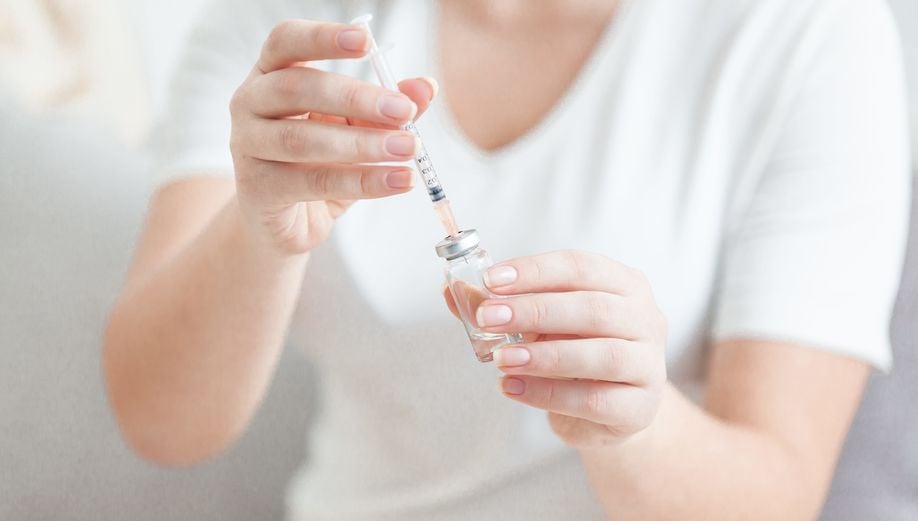
When ovarian reserve is reduced in an older woman, assisted reproductive technology (ART) can help. In vitro fertilization (IVF) allows physicians to stimulate the ovaries, retrieve mature eggs, and oversee fertilization in a laboratory. Some fertility specialists may recommend preimplantation genetic testing (PGT) to identify embryos with normal chromosomes for transfer. Adjusted ovarian stimulation protocols may help maximize egg retrieval during treatment cycles. If IVF is unsuccessful, donor eggs may be considered.
Lifestyle choices that support fertility
Healthy daily habits may complement medical fertility treatments. A balanced diet rich in vegetables, fruits, whole grains, and lean protein supports overall reproductive health. Regular exercise promotes hormonal balance and a healthy body weight. Avoiding smoking, excessive alcohol use, and exposure to environmental toxins helps protect egg quality. Consistent sleep patterns and stress management practices also contribute to overall reproductive wellness.
A proactive path forward
Advanced maternal age combined with DOR presents challenges but does not eliminate the chance of a healthy pregnancy. Early testing and open discussion with a fertility specialists allow for informed decision-making. For many AMA women, IVF is an effective solution when egg supply is low. By proactively planning to overcome obstacles, the dream of starting or growing a family can be achieved.